 License:PA072883


5 Types of Replacement
Windows to Consider
for Your Home
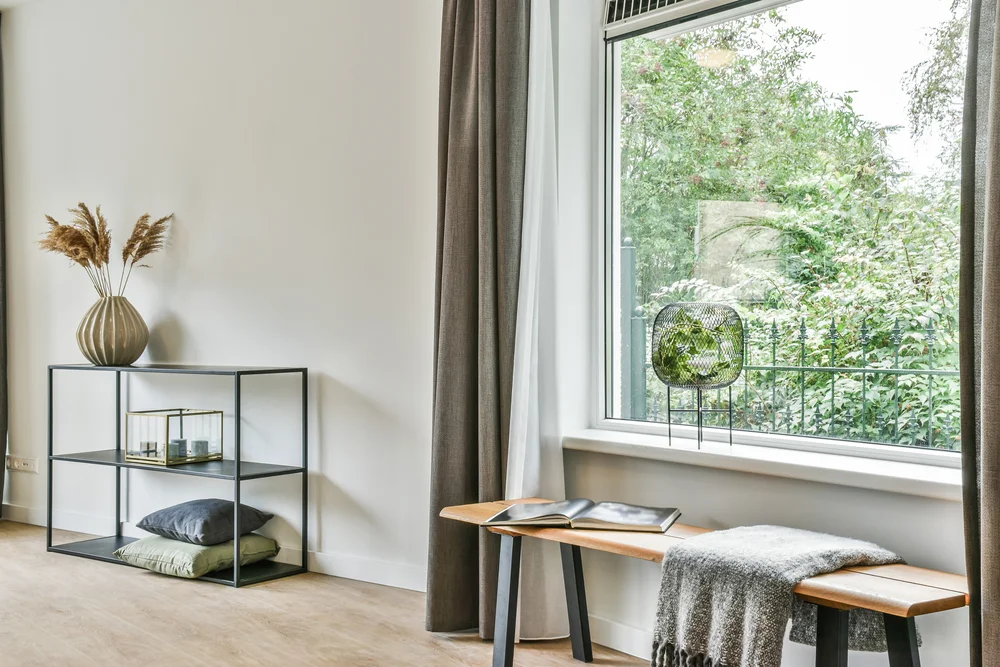
Replacing your windows is one of the few upgrades you'll notice every single day. The right windows make rooms brighter, quieter, and more comfortable, and they change how your house looks from the street. The wrong ones can leave you with a kitchen window you can't reach, a bedroom that never gets fresh air, or a style that looks out of place on your home.
The good news is that most homes in Bucks and Montgomery County are best served by a handful of proven window types. Once you know how each one works and where it shines, choosing gets a lot easier.
Here are the five most popular types of replacement windows, a couple of specialty options worth knowing about, and how to pick the right mix for your home.
1. Double-Hung Windows
Double-hung windows are the classic choice for Colonials, farmhouses, and traditional homes across southeastern Pennsylvania. Both the top and bottom sashes slide up and down, and both tilt in so you can clean the outside glass from inside the house.
Best for: Bedrooms, living rooms, and any room where you want a traditional look
Why homeowners like them:
- They match the original style of most older homes in our area
- You can open the top sash, the bottom sash, or both for flexible airflow
- Tilt-in sashes make cleaning easy, even on the second floor
Keep in mind: Because the sashes slide, the seal isn't quite as tight as a crank-out window. Good weatherstripping and a quality installation make a big difference.
2. Casement Windows
Casement windows are hinged on one side and crank open outward. When they close, the sash presses against the weatherstrip on all four sides, which makes them one of the tightest-sealing window styles available.
Best for: Over kitchen sinks and counters, hard-to-reach spots, and rooms where you want maximum airflow
Why homeowners like them:
- Easy to open with one hand, even when you have to reach
- The fully opening sash catches breezes and brings in lots of fresh air
- A tight seal when closed helps keep drafts out
Keep in mind: Casements open outward, so they need clear space outside. They aren't ideal next to walkways, decks, or anywhere a swinging sash would be in the way.
3. Sliding Windows
Sliding windows have sashes that glide horizontally on a track. They're a natural fit for wide, short openings and work especially well in ranches, split-levels, and more contemporary homes.
Best for: Wide openings, lower levels, and homes with strong horizontal lines
Why homeowners like them:
- Simple operation with few moving parts
- A wide viewing area and plenty of natural light
- A clean, modern look
Keep in mind: Sliders rely on a good seal along the track, so the quality of the window and the installation matters, especially through a Pennsylvania winter. Keep the tracks clean so they keep gliding smoothly.
4. Picture Windows
Picture windows are fixed panes of glass that don't open. They give you the biggest possible view and the most daylight, and because there are no moving parts, they're also the most energy-efficient window style.
Best for: Living rooms, family rooms, and any spot with a view worth framing
Why homeowners like them:
- Maximum glass area and natural light
- No sashes or hardware to wear out
- The most energy-efficient style, since there's nothing to open
Keep in mind: Picture windows don't provide any airflow. A popular solution is pairing a large picture window with casement or double-hung windows on each side, so you get the view and the fresh air.
5. Bay and Bow Windows
Bay and bow windows project outward from the wall, creating a little extra floor space inside and a striking feature outside. A bay window typically uses three units, with a large center window flanked by two angled side windows. A bow window uses four or more units in a gentle curve.
Best for: Living rooms, dining rooms, and breakfast nooks
Why homeowners like them:
- They add floor space, light, and a cozy spot for seating or display
- They're one of the most visible ways to boost curb appeal
- They let in light from multiple angles throughout the day
Keep in mind: Bay and bow windows carry real weight. They need proper support underneath and a properly flashed roof cap on top. Installation is where many of these windows fail, so this is not the place to cut corners.
Specialty Window Types Worth Knowing
Beyond the big five, a few other styles can solve specific problems in your home.
Awning and Hopper Windows
Awning windows are hinged at the top and open outward from the bottom, so they can stay cracked open during a light rain. Hopper windows tilt in from the top. Both are great for fresh air in bathrooms, utility rooms, and above larger fixed windows.
Arched and Custom Shapes
Arched, half-round, circle-top, and angled windows are built to fit your exact opening. They're a great way to add character above an entry, in a gable, or over a picture window. If you love the idea of unique shapes, our post on custom windows has more design ideas.
Frame Materials: The Other Big Decision
The style determines how a window works. The frame material determines how it looks, how long it lasts, and how much upkeep it needs.
- Vinyl is the most popular choice for most homes because it never needs paint, resists moisture, and performs well for the price. Learn more about our vinyl window replacements.
- Fiberglass is stiffer and more stable than vinyl as temperatures swing, with slimmer frames and more glass area.
- Wood and clad-wood windows have real wood on the inside with low-maintenance cladding outside, which makes them a strong fit for historic homes.
Depending on the product line, you can also choose interior and exterior colors, wood-look interior finishes, and grille patterns.
Glass Matters Just as Much as Style
Every style on this list can be ordered with an energy-efficient glass package. Double-pane glass with Low-E coatings and argon gas fill is the baseline. Triple-pane glass, added coatings, and tempered or laminated glass for security or code-required locations are available as upgrades.
Every window we install carries an NFRC label showing its U-factor and solar heat gain rating, so you can compare performance side by side instead of guessing.
Full-Frame or Insert Installation?
There are two ways to install a replacement window, and the right one depends on the condition of your existing frames.
- Insert installation leaves the existing frame and trim in place and sets a new, custom-sized unit inside it. It's faster and costs less, but it only works when the existing frame is solid, dry, and square.
- Full-frame installation removes the old window down to the rough opening. It takes longer and costs more, but it's required when there's rot, water damage, or an opening that's out of square.
We check every frame, sill, and trim piece before recommending one or the other. You can learn more about the process on our window installation page.
How to Choose the Right Window for Each Room
Most homes end up with a mix of styles. Here's a simple way to think about it:
- Kitchens: Casement or awning windows over the sink are easy to reach and open
- Living rooms: Picture windows flanked by operable windows, or a bay or bow window
- Bedrooms: Double-hung or casement windows for airflow and easy operation
- Bathrooms: Awning or hopper windows for airflow and privacy
- Wide, short openings: Sliding windows
Also think about your home's architecture. A Colonial usually looks best with double-hung windows, while a contemporary home might suit casements, sliders, and large picture windows.
Not Sure You Need New Windows Yet?
If your windows are drafty, foggy, or hard to open, it's worth finding out whether they need replacement or just a repair. Many problems, like failed seals, foggy glass, worn weatherstripping, and broken hardware, can be fixed when the frame is still solid. Our window repairs team will tell you plainly which makes more sense. Our post on how to know whether your windows need to be replaced covers the warning signs.
How Our Window Replacement Process Works
Our replacement windows process is designed to be simple:
- In-home measurement and a check of every opening
- Style and glass selection, followed by a line-itemed written estimate
- Custom ordering, since every window is built to your exact measurements. Manufacturing usually takes a few weeks.
- Installation, one opening at a time, so your home is never left open overnight
- Final walkthrough, disposal of the old windows, and warranty paperwork
Most whole-house window replacements take one to two days on site once the windows arrive. Every installation is backed by two layers of coverage: the manufacturer's warranty on the window and our workmanship warranty on the installation. Your estimate spells out exactly which warranties apply.
In-home measurements and estimates are free, with no obligation. If you'd like to spread out the cost, our financing options let qualified homeowners upgrade now and pay over time.
Why Homeowners Trust RAM Roofing & Exteriors
Our roots go back to the early 1990s, when our founder started out as a carpenter. Today, our crews focus on the outside of your home: roofing, siding, windows, doors, and gutters. Read more about our story on our About Us page.
- Honest, repair-focused recommendations, with no unnecessary replacements
- Manufacturer warranties plus our own workmanship warranty on window installations
- Fully licensed and insured in Pennsylvania and New Jersey (PA072883 and NJ 13VH11020800)
- A 4.9-star Google rating from 200+ reviews. See what homeowners say on our testimonials page.
- Certified Owens Corning Preferred Contractor for roofing, backed by manufacturer standards
- Around-the-clock emergency storm damage response
Replacement Windows Across Bucks and Montgomery County
From our office at 52 E Oakland Ave Ste 3A, in Doylestown, we install replacement windows throughout the region. That includes homeowners in Richboro, Buckingham, and Abington, where we work on everything from historic homes with original openings to newer homes ready for an upgrade.
Find the Right Windows for Your Home
You don't have to figure it out alone. Schedule a free in-home consultation with RAM Roofing & Exteriors, and we'll measure your openings, walk you through styles, frames, and glass options room by room, and give you a line-itemed estimate. Have questions first? Visit our FAQ.
Call (215) 315-7700 or stop by our Doylestown office.