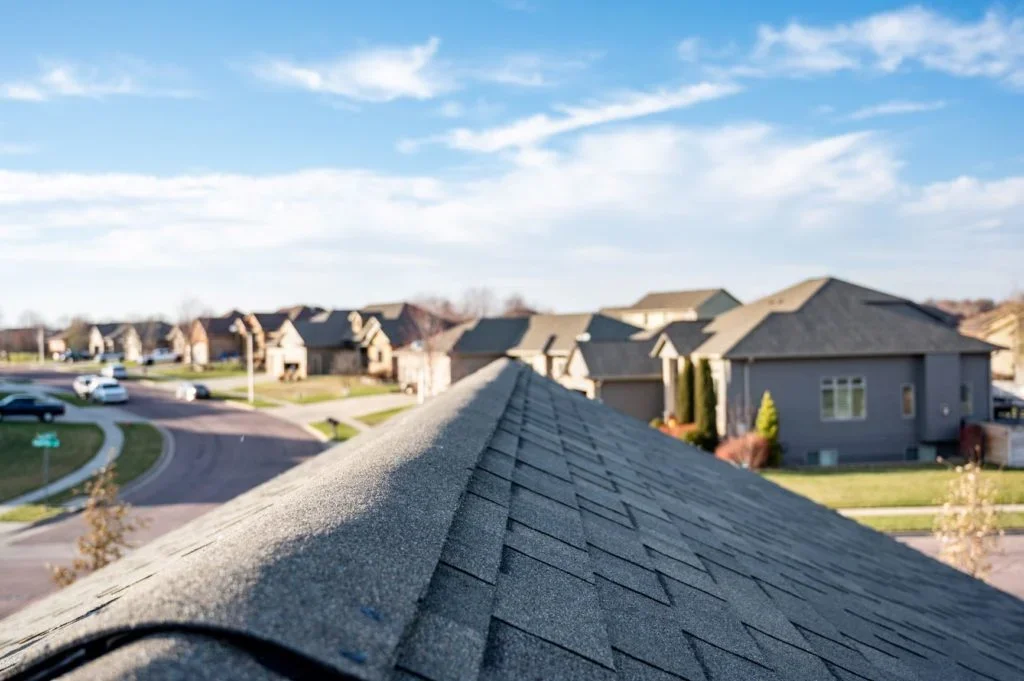
24-Hour Roof Repair in Doylestown: Stopping the Water First
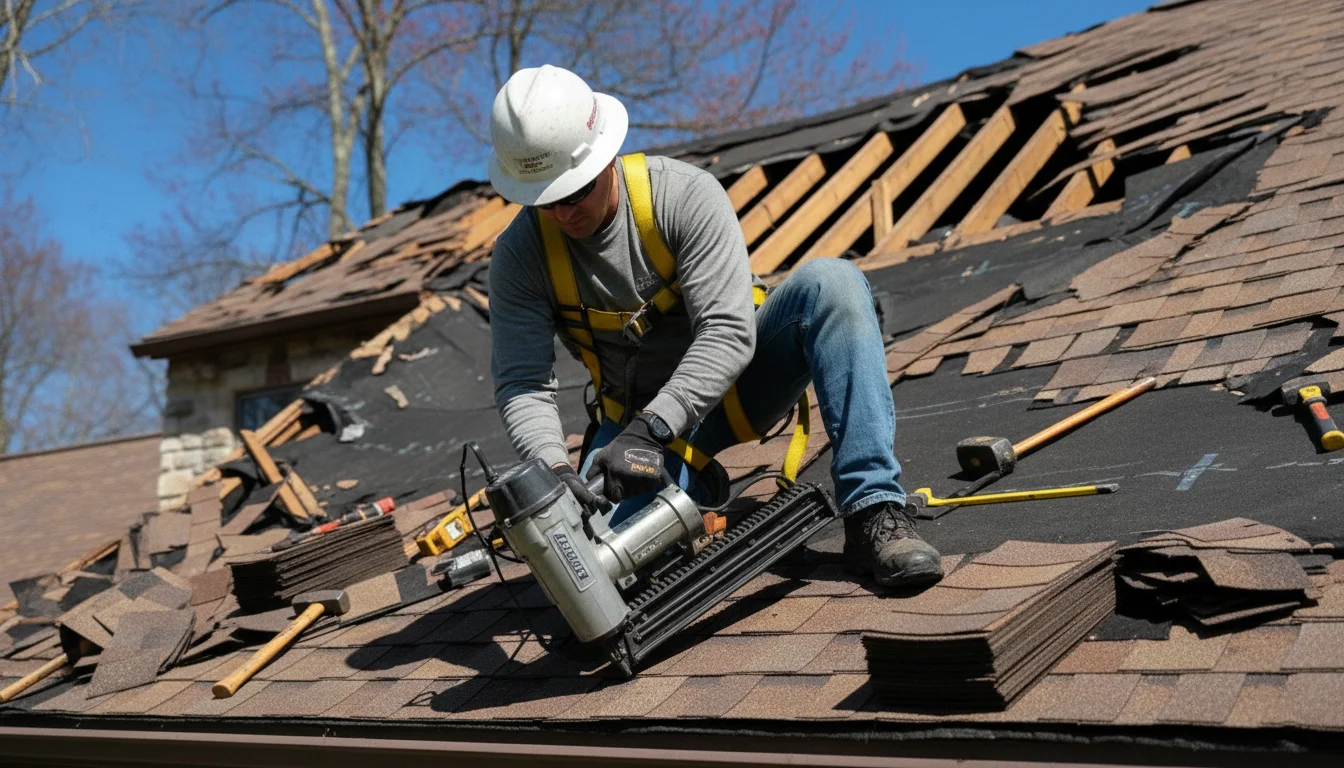
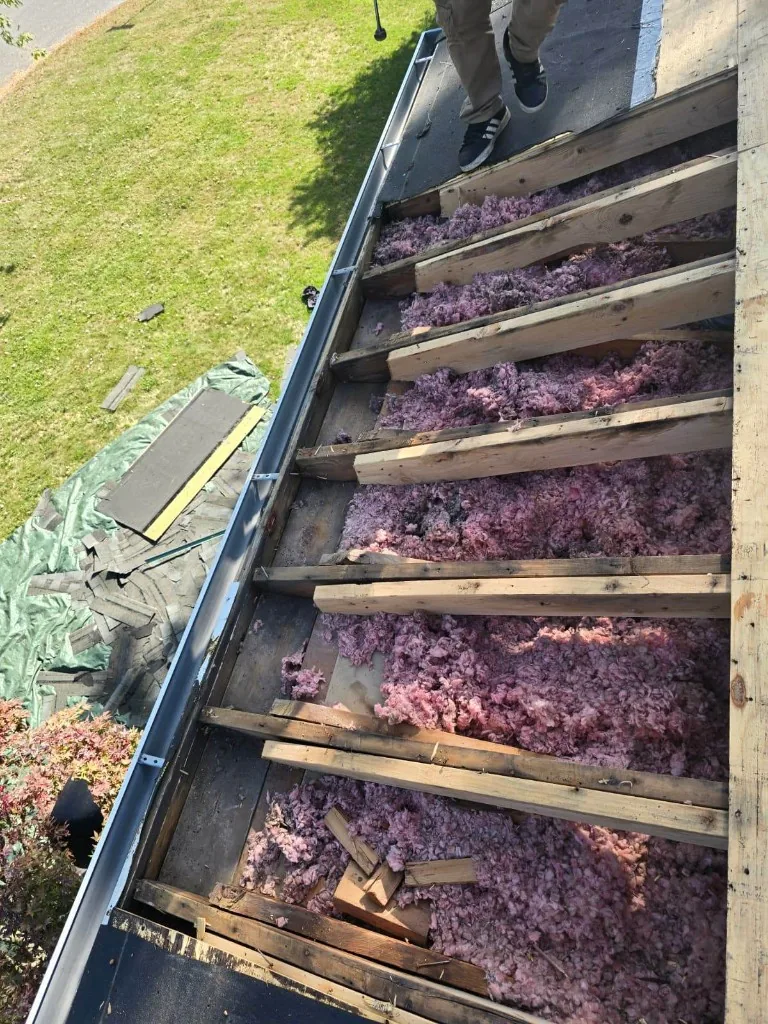
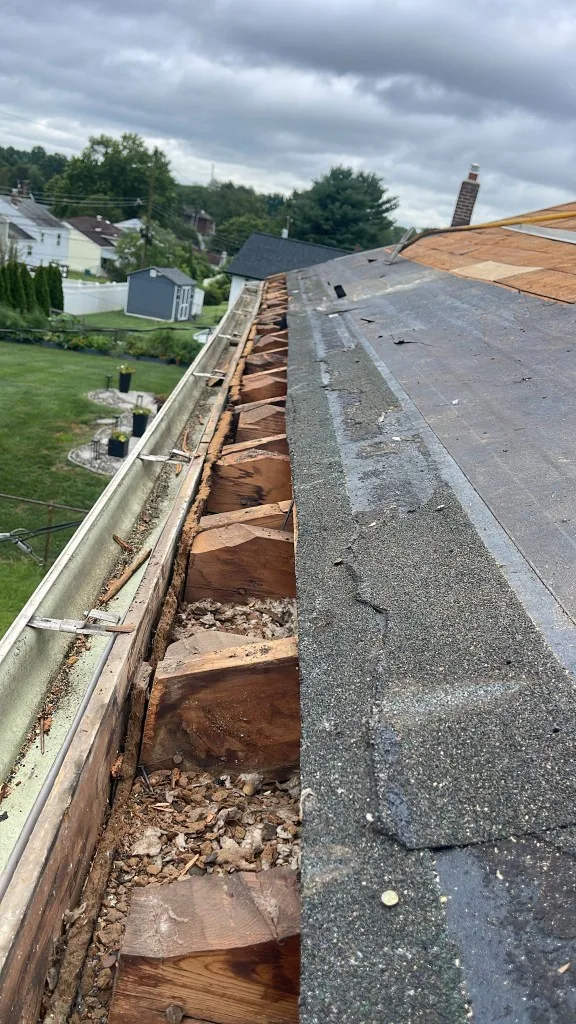
A roof that is open during a storm is a race against the clock. Water that gets past the shingles runs along the rafters, soaks the insulation and wicks into drywall long before it shows up as a stain, and within a day or two it can start mold growth inside a wall cavity. On every 24 hour roof repair call in Doylestown, our first job is getting the house dry and keeping it that way until the permanent repair can be done properly.
Our emergency roofing crews carry tarp and dry-in materials and handle:
- Emergency roof tarping. Heavy-duty tarps fastened and battened over the damaged section so the wind cannot peel them back, stopping water during active rain.
- Leak tracing and containment. Water travels before it drops, so the stain on your ceiling is rarely under the hole. We trace the leak to the actual entry point and seal it there.
- Securing lifted and loose shingles. Wind that breaks the seal on one course takes the next one in the following gust. We fasten and seal the surrounding field so the damage stops spreading.
- Emergency flashing and vent sealing. Pulled flashing at a chimney, skylight or sidewall and split pipe boots get sealed with emergency-grade materials until they can be rebuilt.
- Structural stabilization. Sections weakened by a fallen limb or heavy impact are secured before anyone works around them.
- Debris removal. Branches and loose material that are loading the roof or pose a safety risk are cleared from the roof and the yard.
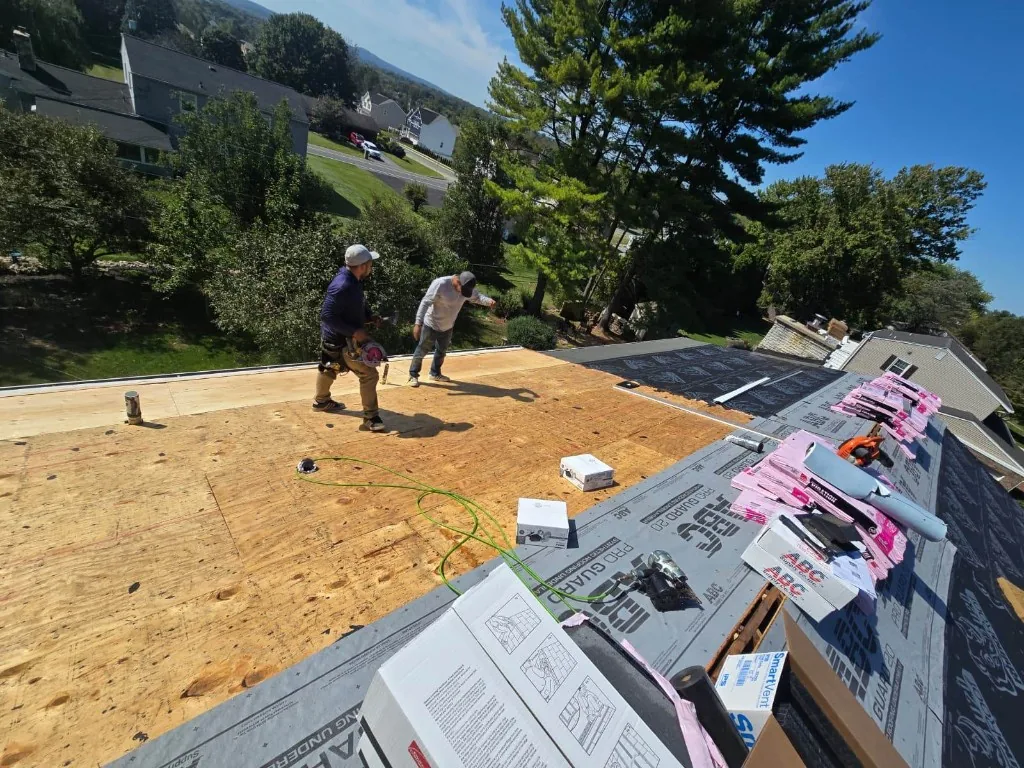
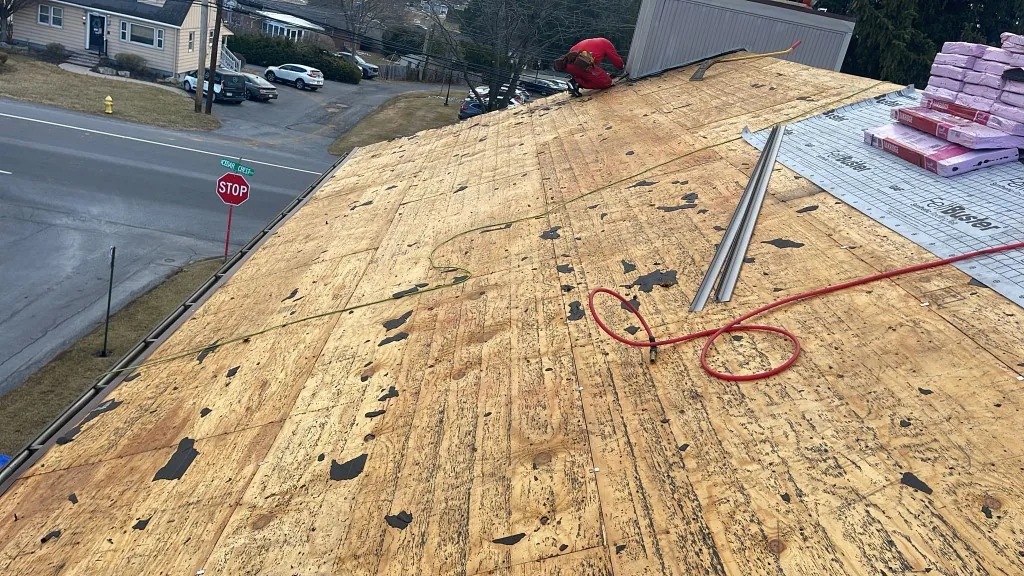
Permanent repairs need a dry deck for sealants and adhesives to bond, so we stabilize first and fix right after. A rushed repair done in the rain is a repair that fails at the next storm. Once the roof is safe to work on, the permanent roof repair is quoted in writing and scheduled.
Storm Damage Emergency Repair in Doylestown and Bucks County
Southeastern Pennsylvania gets summer line storms with straight-line winds, hail, nor'easters, heavy wet snow and February freeze-thaw cycles, and each one breaks a house in a different way. Our storm damage emergency repair in Doylestown is built around the damage we actually see here:
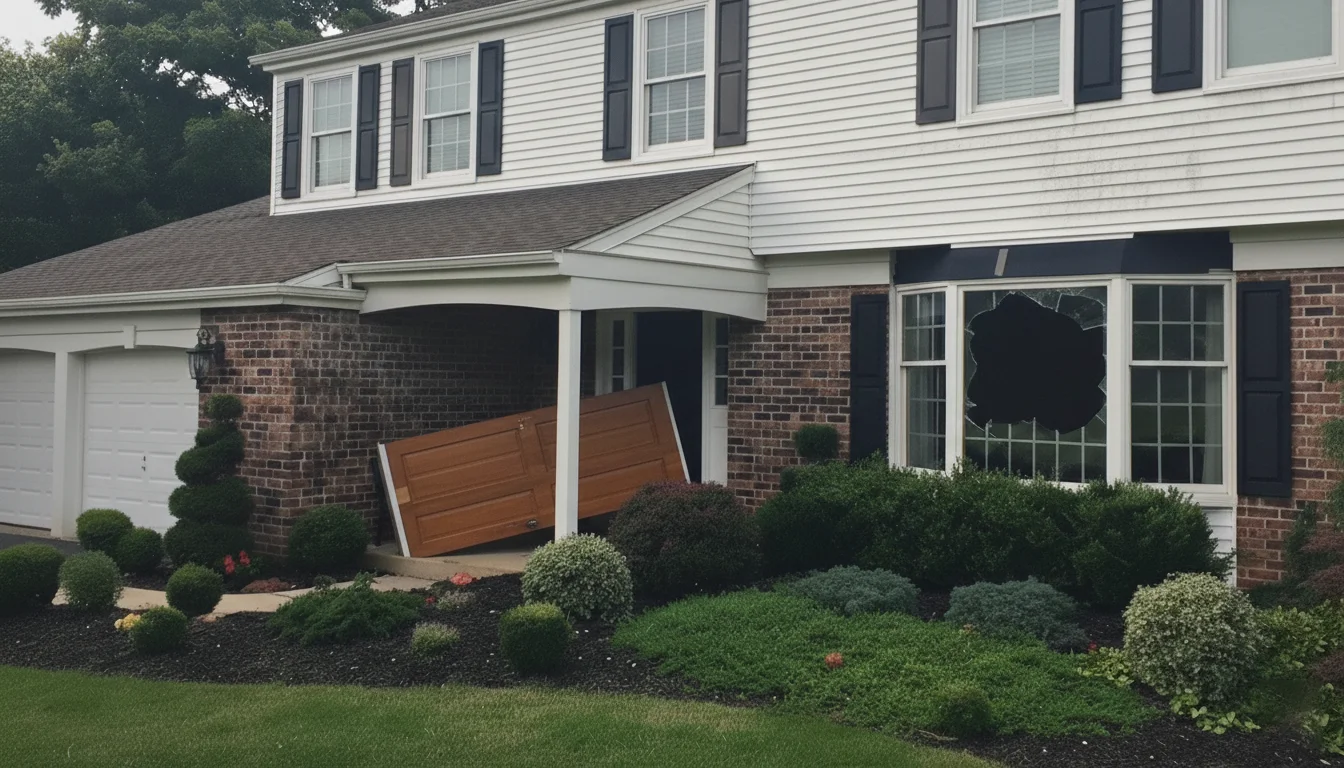
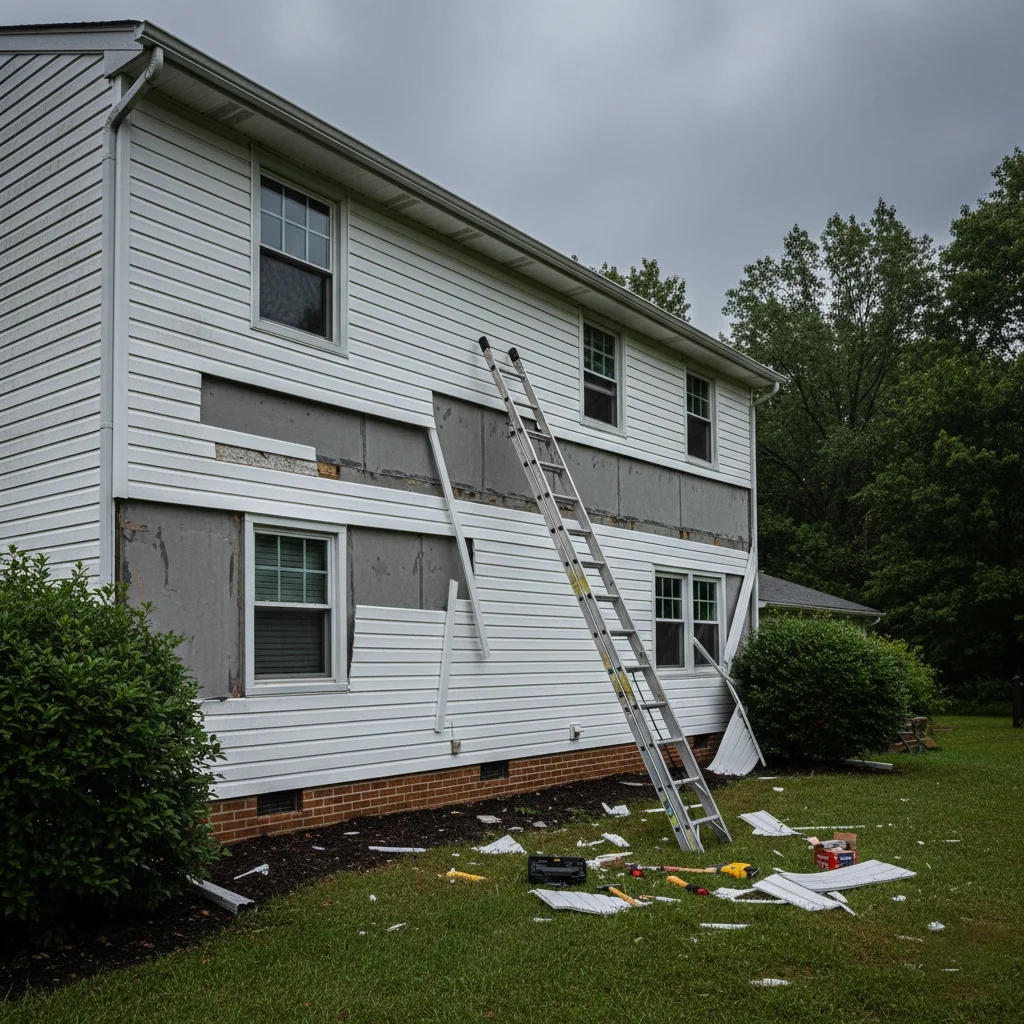
- Wind damage. Shingles torn off or lifted, ridge caps blown away, siding panels pulled loose and gutters twisted off the fascia.
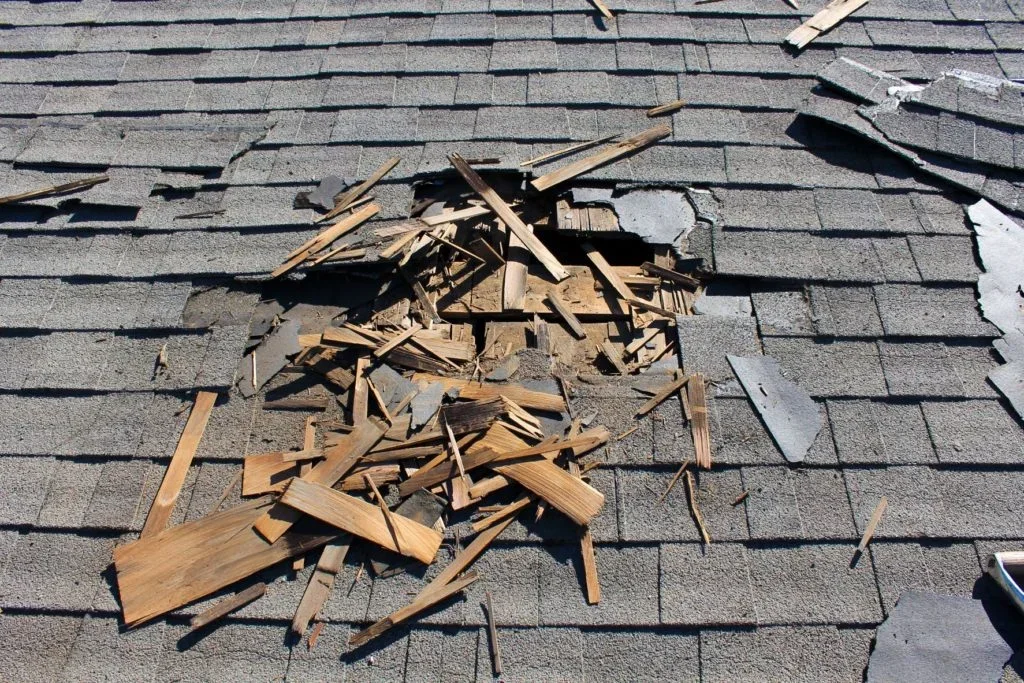
- Fallen trees and limbs. Mature trees line a lot of streets in Doylestown Borough and the older parts of Bucks County, and one limb can open a hole in the roof deck in seconds. We tarp the opening, secure the framing and coordinate with a tree removal crew when a crane is needed.
- Hail damage. Hail rarely punches through. It bruises shingles and knocks off granules, and the leak shows up a season later. After a hailstorm we document the damage while it is fresh, which matters when you file.
- Ice dam leaks. Snow melts over a warm attic, refreezes at the cold eave and backs water under the shingles into the ceiling. We clear the backup safely and stop the water, then fix the ventilation or ice and water shield problem that caused it.
- Wind-driven rain. Water pushed sideways through tired flashing, siding seams and window frames that stay dry in a normal rain.
Once the house is stable, we build a permanent repair plan for the roof, siding, windows, gutters or whatever else the storm took out. If the damage is covered, our insurance restoration team works directly with your adjuster.
What To Do in the First Hour After Storm Damage
The first hour after damage decides a lot about how big the final bill gets and how smoothly the insurance claim goes. If your home was just hit, work through these steps in order.
- Get everyone safe. Stay out of rooms with a sagging ceiling or a tree through the roof, and stay well away from downed power lines. If lines are down or touching the house, call your electric company (PECO, PPL, Met-Ed, JCP&L or PSE&G, depending on where you live) and 911 if anyone is in danger.
- Cut power to wet areas if it is safe. If water is dripping near light fixtures, outlets or the electrical panel, shut off the breaker for that area, but only if you can reach the panel without standing in water.
- Catch and contain the water. Buckets, towels and plastic sheeting under active drips, and furniture moved out of the way. If a ceiling is bulging with water, keep everyone out from under it.
- Document the damage. Photos and video of the outside and inside, before anything is cleaned up or moved.
- Stay off the roof. A wet, storm-damaged roof is where homeowners get hurt. Tarping is our job.
- Call us, then your insurance company. Call or text (215) 315-7700 to get the house secured, then open the claim. Keep receipts for anything you spend on emergency protection, since reasonable mitigation costs are often reimbursable under your policy.
Moving fast is what keeps a roof repair from turning into a drywall, insulation and mold job.
 License:PA072883