 License:PA072883


Are Roofing Companies Liable for Damage?
What Homeowners Must Know
Are Roofing Companies Liable for Damage?
When you hire a roofing company, you expect professional service and a job well done. But what happens if something goes wrong? Are roofing companies liable for damage that occurs during or after their work?
The short answer is: it depends.
Roofing companies can be held liable for damage in certain situations, but the specific circumstances matter. Understanding roofing liability can help you protect yourself and your property before, during, and after a roofing project.
If you're working with a professional team like RAM Roofing & Exteriors, reviewing their full list of services is a smart first step toward understanding what's covered and how projects are handled.
Understanding Roofing Company Liability
Roofing work is inherently risky. It involves working at heights, handling heavy materials, and making critical decisions that affect your home's structural integrity.
In general, roofing companies are responsible for damages caused by:
- Negligence
- Faulty workmanship
- Improper installation
- Unsafe job site practices
This may include:
- Property damage during installation
- Leaks caused by incorrect flashing or shingle placement
- Structural issues resulting from improper procedures
- Damage to landscaping, siding, gutters, or windows
- Injuries caused by unsafe working conditions
However, not all damage is automatically the roofing company's responsibility.
Natural disasters, normal wear and tear, or undisclosed pre-existing structural issues typically fall outside a contractor's liability.
This is why a thorough roof inspection before beginning any project is essential.
The Importance of Proper Insurance
One of the most important factors in roofing liability is insurance coverage.
A reputable roofing contractor should carry:
- General liability insurance
- Workers' compensation insurance
General liability insurance protects your property if accidental damage occurs during the project. Workers' compensation protects you from liability if a worker is injured on your property.
Before signing a contract, always request proof of active insurance coverage.
The Role of Contracts in Roofing Liability
Your roofing contract plays a major role in determining liability.
A well-written contract should clearly define:
- Scope of work
- Materials to be used
- Project timeline
- Payment terms
- Warranty coverage
- Liability clauses
Whether you're investing in roof replacement or smaller roof repairs, the contract should clearly outline what is and isn't covered.
Always read the fine print. If something is unclear, ask for clarification before the project begins.
When Are Roofing Companies Liable?
Here are some common scenarios where roofing companies may be held responsible:
Damage During Installation
If a roofer drops equipment and breaks a window, damages siding, or harms landscaping, the company is typically liable under general liability insurance.
This includes damage to:
Any exterior components affected during the roofing process should be restored properly.
Leaks After Installation
If a new roof begins leaking shortly after installation due to poor workmanship, the contractor is usually responsible for repairs.
Common causes include:
- Improper flashing installation
- Poorly sealed valleys
- Incorrectly installed shingles
- Inadequate pipe boot sealing
These issues are typically covered under a workmanship warranty. Prompt attention through professional roof repair services is critical to prevent further damage.
Structural Damage
If roofing work causes sagging, compromised framing, or structural instability due to negligence, the contractor may be liable.
In severe cases involving water intrusion or storm-related complications, homeowners may also require insurance restoration services.
Worker Injuries
If a worker is injured, the roofing company's workers' compensation insurance should cover the claim.
However, if a homeowner takes on supervisory responsibilities and directs the project, liability risks can shift. It's best to maintain clear boundaries between homeowner and contractor roles.
When Roofing Companies Are Not Liable
There are also situations where contractors are not responsible for damage.
Acts of Nature
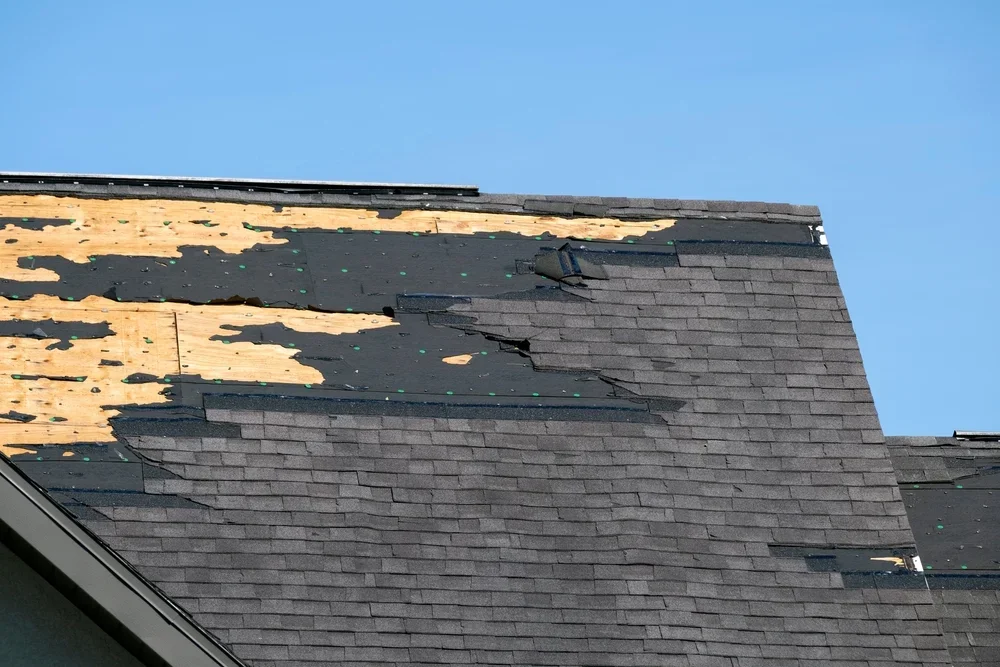
Storm damage, hail, high winds, or falling trees are typically covered by homeowner's insurance — not the roofing contractor.
In cases of urgent storm damage, emergency home repair services may be necessary to prevent further structural issues.
Normal Wear and Tear
All roofing systems have a lifespan. Asphalt shingles typically last 15–30 years depending on quality and installation.
Gradual deterioration, fading, or curling shingles are considered normal aging.
Pre-Existing Structural Issues
Hidden problems such as termite damage, deteriorated framing, or existing leaks may not fall under contractor liability if they were not visible or disclosed before work began.
Proper attic airflow and moisture control through professional insulation and ventilation services can help prevent long-term structural complications.
The Importance of Documentation
If a dispute arises, documentation is your strongest protection.
Keep records of:
- Signed contracts
- Warranty documents
- Insurance certificates
- Emails and written communication
- Photos before, during, and after installation
Clear documentation helps resolve issues efficiently and fairly.
Frequently Asked Questions
Why Is My Ceiling Cracking After a New Roof?
Ceiling cracks can occur due to:
- Excessive weight or vibration during installation
- Ventilation problems causing moisture buildup
- Pre-existing structural weaknesses
If ventilation issues are contributing to interior damage, evaluating attic airflow systems may be necessary.
What Happens If It Rains During a Roof Installation?
Professional roofers plan for weather contingencies. They typically:
- Work in sections
- Use protective tarps
- Secure exposed areas
If damage occurs due to inadequate protection, the contractor may be liable. However, extreme or unexpected weather may be considered an unavoidable event.
Why Is My Roof Leaking After Installation?
A newly installed roof should not leak.
Common causes include:
- Improper flashing
- Poor shingle alignment
- Incorrect valley installation
- Sealing failures
Most workmanship warranties cover these issues. Report leaks immediately to prevent secondary damage.
Can a Roof Be Repaired While Wet?
Temporary emergency repairs can be performed on a wet roof. However, permanent repairs should be completed under dry conditions.
If improper wet-condition repairs cause additional damage, the contractor may be responsible.
Final Thoughts
So, are roofing companies liable for damage?
Yes — when damage is caused by negligence, poor workmanship, or unsafe practices.
No — when damage results from natural disasters, normal aging, or undisclosed structural issues.
The best way to protect yourself is to:
- Hire licensed and insured contractors
- Carefully review your contract
- Maintain thorough documentation
- Communicate clearly throughout the project
Working with an experienced exterior remodeling company that offers roofing, siding, gutter, window, and restoration services ensures your entire home exterior is protected — not just your roof.