 License:PA072883


Environmental Implications Of Siding Materials
Many homeowners today are making sustainability a priority — from everyday products to major home improvement decisions. If you're planning to replace your siding, you may be wondering which materials are truly eco-friendly and how to evaluate your options.
Homeowners across Bucks County, PA and Montgomery County, PA (and nearby communities) are increasingly looking for exterior upgrades that balance durability, performance, and environmental responsibility. Let's break down how to determine whether siding is eco-friendly and which materials may be the best fit for your home.
How to Determine If Siding Is Eco-Friendly
Assessing sustainability isn't always straightforward. Several important factors should guide your decision:
Longevity
How long will the material last? Durable siding that performs well for decades reduces waste and minimizes the need for frequent replacement.
Manufacturing and Installation Impact
How much energy is used to produce and install the material? Some products require high-energy manufacturing processes that increase environmental impact.
Toxicity and Safety
Are the materials safe for both homeowners and the surrounding environment? Older building products sometimes contained hazardous components (such as asbestos), so material safety matters.
Maintenance Requirements
Will the siding require frequent repairs or repainting? Low-maintenance materials reduce the need for additional products, chemicals, and labor over time.
End-of-Life Disposal
Can the material be recycled or repurposed after removal? Sustainable siding options often allow for recycling or biodegradable disposal.
Evaluating these factors ensures you choose siding that aligns with your environmental goals.
Eco-Friendly Siding Options to Consider
Wood Siding
Wood is a renewable resource and can be a sustainable option when responsibly sourced.
Benefits include:
- Renewable material
- Biodegradable
- Long lifespan with proper maintenance
- Option for reclaimed or salvaged wood
However, wood requires ongoing maintenance and must be properly sealed to prevent moisture and pest damage.
Vinyl Siding
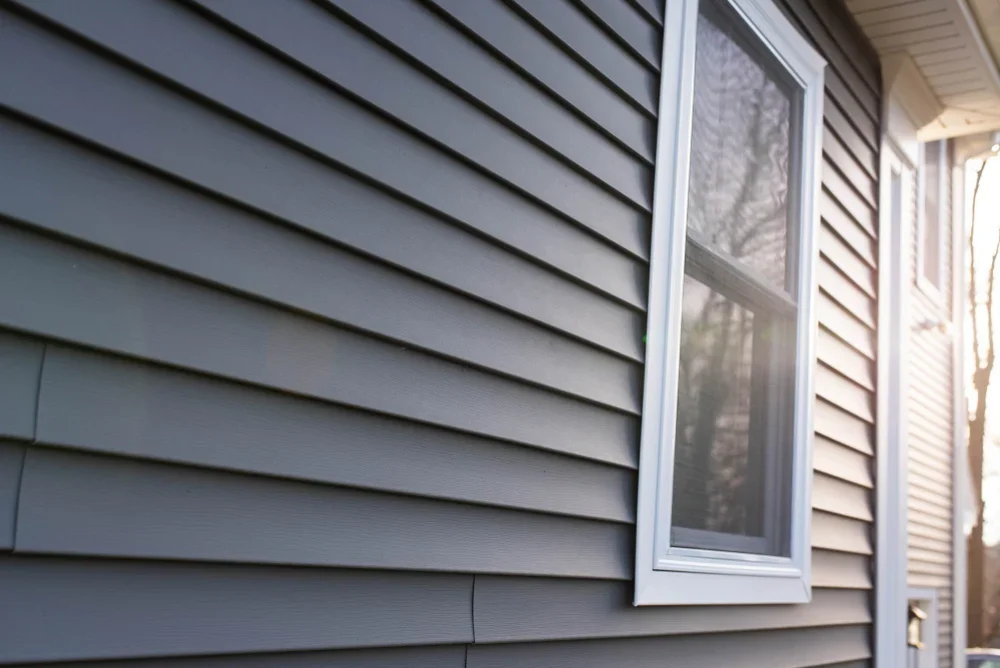
While it may not seem like the obvious eco-friendly choice, modern vinyl siding options offer several sustainability advantages.
Benefits include:
- Long lifespan
- Recyclable material
- Lower maintenance requirements
- Reduced need for repainting or chemical treatments
Because it lasts for many years and can be recycled, vinyl siding can have a lower long-term environmental impact than some alternatives.
Fiber Cement Siding
Fiber cement is another strong contender for environmentally conscious homeowners. Premium products like HardiePlank fiber cement siding provide durability with reduced environmental drawbacks.
Advantages include:
- Extended lifespan
- Resistance to moisture and pests
- Minimal maintenance
- No toxic chemicals
- Reduced replacement frequency
Its durability alone makes it a sustainable choice since fewer replacements mean less construction waste.
Stucco
Stucco contains many natural ingredients and can be made more eco-friendly by substituting traditional cement with lime plaster.
However:
- It may be more vulnerable to cracking in certain climates
- Repairs can be more frequent depending on structural conditions
Proper installation is essential to maximize longevity and performance.
Sustainable Installation Matters Too
Eco-friendly siding isn't just about the material — proper installation ensures maximum lifespan and energy efficiency. Pairing siding upgrades with insulation and ventilation services can further improve your home's overall performance and reduce energy consumption.
Get the Support You Need With RAM Roofing & Exteriors
No matter which siding material you choose, professional installation makes all the difference.
At RAM Roofing & Exteriors, we proudly serve homeowners throughout Bucks and Montgomery Counties and nearby communities with durable, energy-efficient exterior solutions. Our team helps you evaluate material performance, sustainability, maintenance needs, and long-term value.
If you're ready to upgrade your siding with an environmentally responsible approach, reach out through our contact page to schedule a consultation and discuss your project.