 License:PA072883



Extending Your Skylight Lifespan in Pennsylvania: Key Factors and Practical Tips
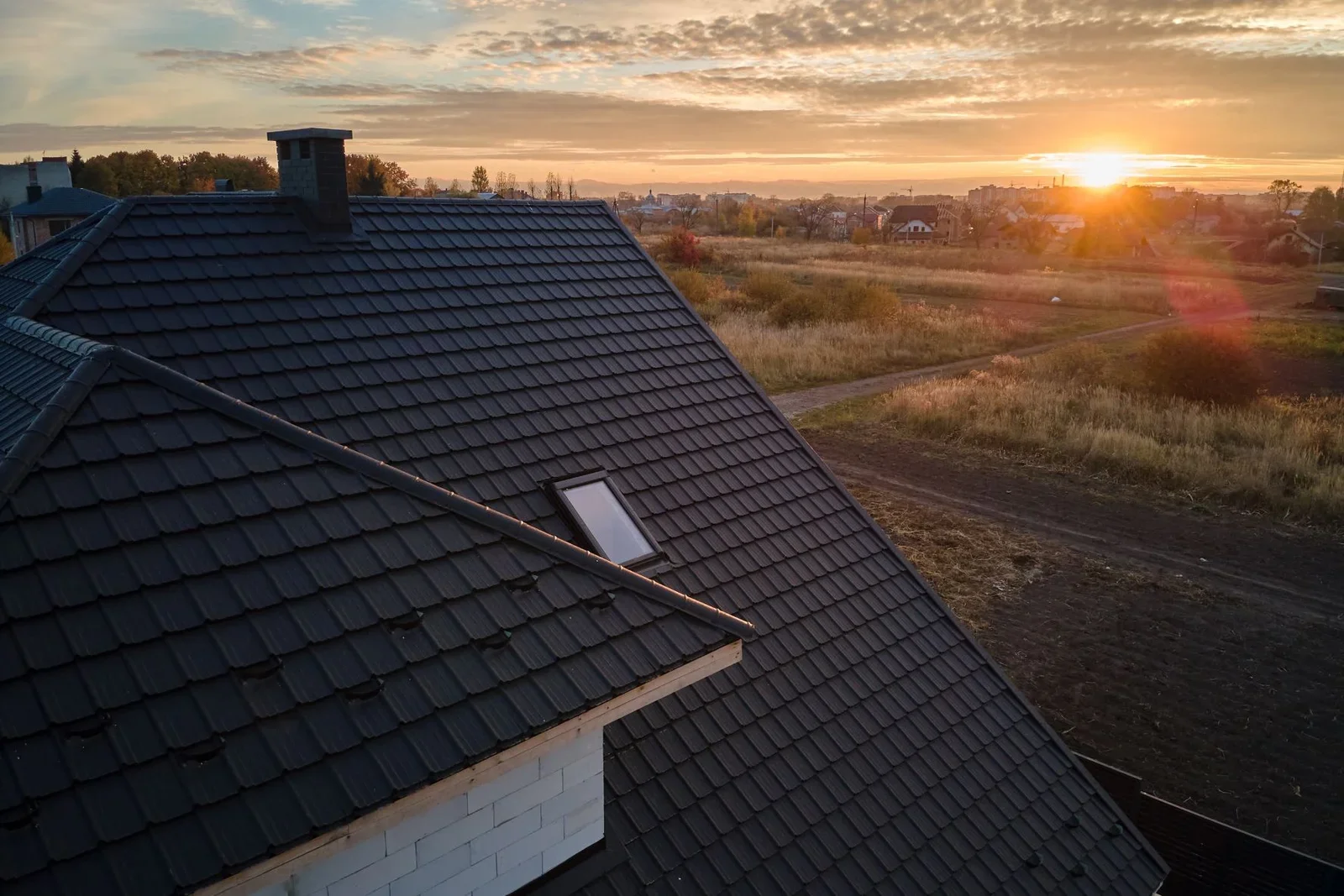
For years, we've helped homeowners make their homes brighter, more comfortable, and more energy-efficient. One question we hear often is: How long do skylights last?
It's a fair concern. Skylights are a beautiful addition to any home, but they're also an investment. No homeowner wants to install a skylight only to face leaks or deterioration a few years later. The truth is, skylight lifespan isn't fixed — it depends on several key factors, especially here in Pennsylvania.
If you're already noticing issues around your skylight, our team also provides professional window repair services to address related exterior concerns before they worsen.
Factors That Influence Skylight Lifespan
Several important elements determine how long your skylight will last.
Quality of Materials and Installation
The most important factor is the quality of the skylight itself — and how well it's installed.
A high-quality skylight installed with proper flashing and sealing can last 20–30 years. Poor installation, on the other hand, can lead to leaks within just a few years.
Proper installation ensures:
- Watertight flashing
- Secure sealing
- Correct roof integration
- Proper insulation
If a skylight is integrated into an aging or damaged roofing system, that can also shorten its lifespan. In some cases, pairing a skylight installation with a full roof replacement ensures long-term performance and prevents premature leaks.
Pennsylvania Weather Conditions
Pennsylvania weather is tough on exterior materials.
Skylights must withstand:
- Heavy snow loads
- Ice dams
- Freeze-thaw cycles
- Summer heat and humidity
- Wind-driven rain
Over time, repeated exposure to extreme conditions can weaken seals, flashing, and glass components. Homes with proper attic airflow and insulation tend to experience fewer skylight-related problems. If ventilation is lacking, upgrading through professional insulation and ventilation services can protect both your roof and skylights.
Maintenance and Routine Care
Like any exterior feature, skylights require periodic maintenance.
Neglecting inspections and cleaning can lead to:
- Debris buildup
- Seal deterioration
- Moisture intrusion
- Reduced energy efficiency
A little preventative care can dramatically extend your skylight's usable life.
How to Extend Your Skylight Lifespan
If you want to maximize your investment, proactive maintenance is key.
1. Schedule Regular Inspections
Inspect your skylights at least once per year — ideally in spring and fall.
Look for:
- Cracks in flashing
- Deteriorating sealant
- Water stains near the opening
- Shingle damage around the unit
If you're unsure what to look for, a professional roof inspection can identify early warning signs before they become major issues.
2. Keep Skylights Clean
Dirt, debris, leaves, and algae buildup can impact both performance and appearance.
Cleaning your skylight twice per year:
- Preserves glass clarity
- Maximizes natural light
- Prevents long-term surface wear
Regular cleaning also gives you an opportunity to spot potential damage early.
3. Add Protective Features
In areas prone to hail or heavy snowfall, protective shielding may help reduce damage risk.
Additionally, modern skylights often include UV-protective coatings that:
- Reduce interior fading
- Improve energy efficiency
- Maintain indoor comfort
Choosing upgraded features during installation can significantly improve lifespan.
Signs Your Skylight Needs Attention
Even well-maintained skylights eventually show signs of wear.
Leaks or Water Stains
Water spots on ceilings or walls near your skylight are a clear warning sign.
Even small leaks can:
- Damage roofing materials
- Lead to mold growth
- Compromise structural integrity
If you notice water intrusion, prompt roof repair services can prevent further damage.
Excessive Condensation
Some condensation is normal. However, heavy moisture buildup between glass panes typically indicates seal failure.
This can reduce insulation performance and increase energy costs.
Drafts or Temperature Changes
If you feel cold drafts in winter or excessive heat in summer, the skylight seal may be compromised.
This affects your home's energy efficiency and forces your HVAC system to work harder.
How Long Do Skylights Typically Last?
On average, quality skylights last between 20 and 30 years when:
- Installed properly
- Maintained regularly
- Protected from prolonged moisture issues
- Supported by a healthy roofing system
However, poor installation or neglected maintenance can reduce that lifespan significantly.
Make Smart Decisions About Your Skylight
Understanding skylight lifespan helps you plan proactively. Regular inspections, cleanings, and timely repairs protect both your skylight and your overall roofing system.
If you're unsure about your skylight's condition or suspect issues around the surrounding roof area, working with experienced exterior professionals ensures the problem is handled correctly the first time.
A well-maintained skylight brings natural light, improved energy efficiency, and long-term value to your home. With the right care, it can continue enhancing your living space for decades.