 License:PA072883


Flat Roofs Vs. Pitched Roofs:
Factors To Consider
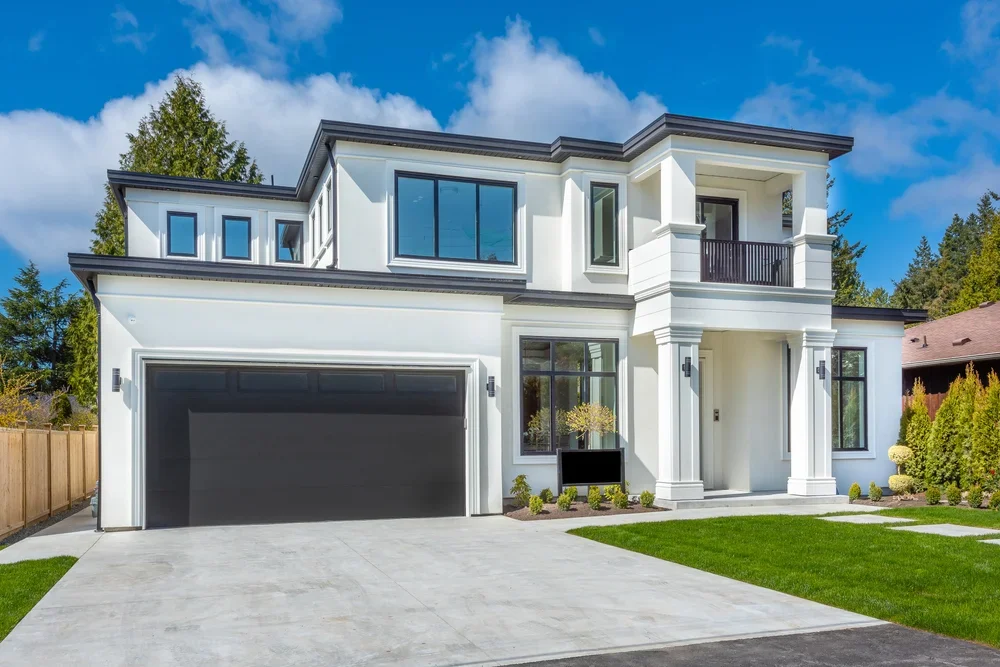
If you're building a new home, choosing the right roof type is one of the most important design decisions you'll make. Roofing materials affect comfort and durability, but the pitch of the roof also impacts maintenance, long-term costs, and even future home use.
If your home is already built and you're considering a style change during a roof replacement, you'll face the same key choice: a flat roof (which actually has a very shallow slope for drainage) or a pitched roof with a more noticeable incline.
Homeowners throughout Bucks County, PA and Montgomery County, PA often weigh these pros and cons before making a final decision.
Cost to Install vs. Cost to Repair
A flat roof is generally less expensive to install than a pitched roof — especially if you're replacing an existing flat roof. Converting from flat to pitched typically requires structural modifications, such as extending or altering wall heights to create proper roof edges.
However, while flat roofs may cost less upfront, pitched roofs can sometimes be less expensive to maintain over time. Pitched roofs often:
- Last longer depending on material choice
- Shed water more efficiently
- Experience fewer pooling-related issues
Flat roofs are more vulnerable to surface damage that can lead to leaks. Even small imperfections may allow water to collect, increasing the likelihood of repairs. If your roof shows early signs of wear, scheduling professional roof repair services can prevent larger structural issues.
No Pooling and Easier Snow Removal
One of the biggest advantages of pitched roofs is water runoff. Rain naturally flows off a sloped surface, reducing the risk of pooling.
Flat roofs are designed with a slight pitch for drainage, but if minor damage creates even a small depression, water may stop draining properly. Standing water can:
- Accelerate membrane deterioration
- Lead to leaks
- Attract insects such as mosquitoes
Snow removal is also generally easier with pitched roofs. Snow naturally slides off as it accumulates. However, homeowners should be aware that melting snow can slide off suddenly, so proper maintenance and snow management are important.
Routine roof inspections can identify drainage or structural concerns before they become costly repairs.
Secondary Roof Uses: Decks and Gardens
If you envision using your roof as an outdoor living space, a flat roof offers clear advantages.
Flat roofs can support:
- Rooftop decks
- Garden installations
- Green roof systems
However, the structure must be reinforced to safely hold additional weight. If you anticipate installing a rooftop deck or garden in the future, it's best to plan for a flat roof during initial construction.
Converting from a pitched roof to a flat roof later requires major structural changes, including wall modifications and roof removal — making early planning critical.
Green roofs and solar installations may also benefit from specific structural considerations, often combined with proper insulation and ventilation services to maintain energy efficiency.
Professional Installation Matters
Whether you choose a flat or pitched design — or a combination of both on different sections of your home — proper installation is essential for long-term performance.
At RAM Roofing & Exteriors, we proudly serve homeowners throughout Bucks County, Montgomery County, and surrounding Pennsylvania communities. Our team evaluates structural requirements, drainage systems, and material options to ensure your new roof performs as expected.
If you're ready to explore your roofing options, visit our contact page or request your online instant roof quote to get started.