 License:PA072883


How to Clean Metal Siding Without
Damaging the Finish
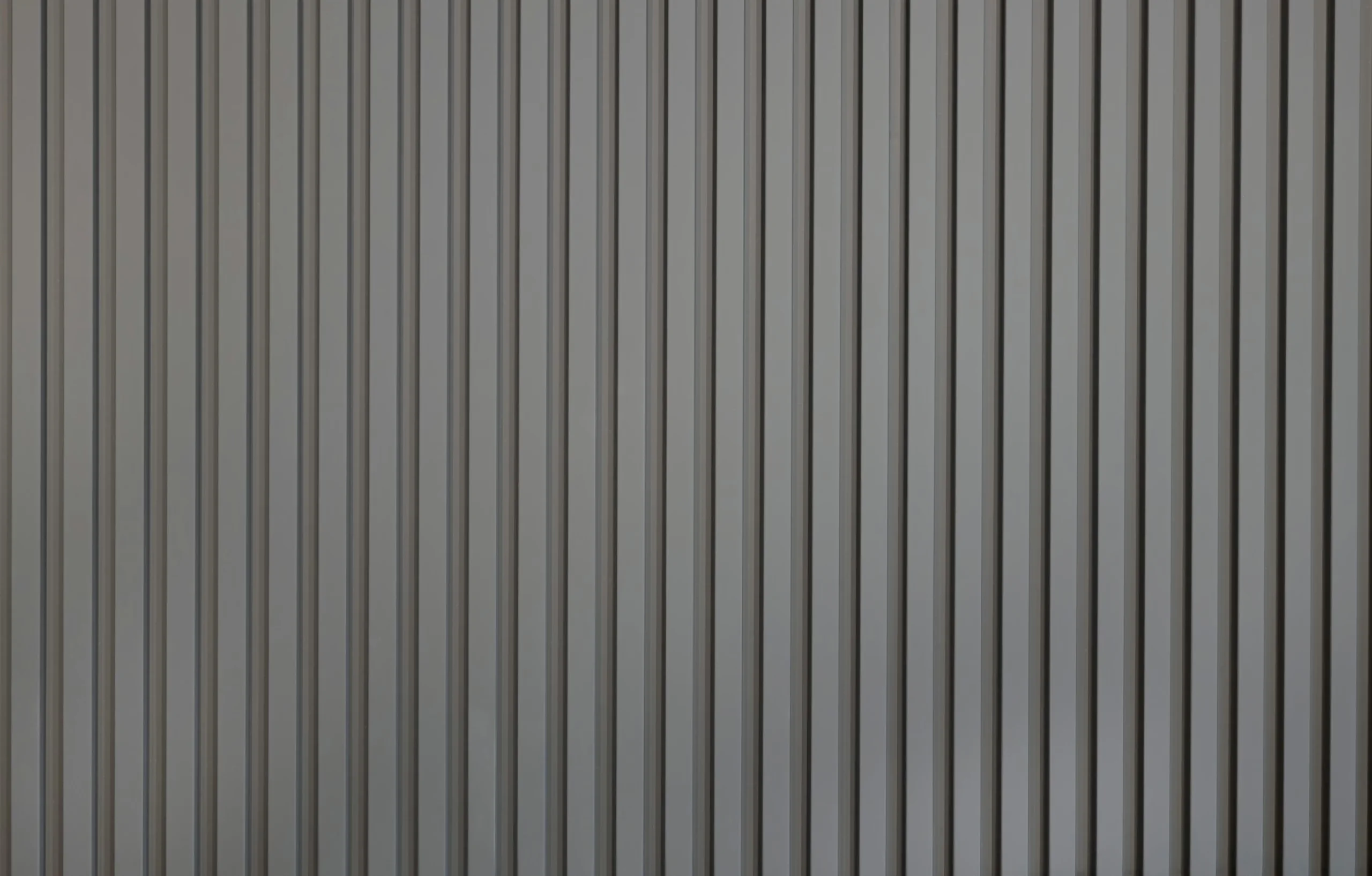
Metal siding earns its reputation as one of the lowest maintenance exteriors you can put on a house. It does not rot, insects ignore it, and it holds up to Pennsylvania winters better than most materials. But low maintenance is not no maintenance. Pollen in spring, mildew on shaded walls and road grime near busy streets all build up over time, and cleaning metal the wrong way can do more damage than the dirt ever would.
At RAM Roofing & Exteriors, we work on exteriors across southeastern PA every day, and this is the same guidance we give our own customers: how to wash metal siding properly, when a pressure washer is safe, how to attack specific stains, and how to tell when a wall has moved past cleaning and into repair territory.
Why Cleaning Metal Siding Actually Matters
Metal siding is protected by a factory applied finish, usually a baked on paint or coating system. This finish protects against pitting and fading, and it is what keeps the panels looking sharp for decades. Regular cleaning does three things for it:
- It removes contaminants that slowly break the coating down, including mildew, algae, bird droppings, and airborne pollutants that sit on the surface for months at a time
- It lets you catch problems early. You will spot a scratch down to bare metal or a loosening panel while washing, long before they turn into repairs
- It keeps the color even. Oxidized, chalky siding fades unevenly, and once fading is severe, no amount of washing brings the original color back
In our area there is one more factor: gutters. Overflowing or leaky gutters send dirty roof runoff straight down your walls, leaving vertical tiger stripes that are some of the most stubborn stains metal siding gets. If you find yourself scrubbing the same streaks every season, the fix is above the siding, not on it.
Inspect Before You Wash
Take five minutes to walk the house before you touch a hose. You are looking for anything that water could make worse:
- Dents or impact marks from hail, branches, or equipment
- Scratches that expose bare metal, which can lead to pitting if left uncoated
- Discoloration or corrosion around fasteners or trim, especially near panel edges
- Loose, lifted, or misaligned panels where washing could force water behind the siding
- Failing caulk around windows, doors, and trim
Washing over a loose panel or open seam pushes water into the wall cavity, and that is how a cosmetic chore turns into a moisture problem. If you find anything questionable, get it looked at first. Our inspections are complimentary and come with a detailed written estimate, and we check siding, flashing, and trim in the same visit as the roof.
The Safe Way to Wash Metal Siding, Step by Step
For routine dirt and grime, plan on washing twice a year, spring and fall, and keep it simple:
Step 1: Rinse from the top down
Use a garden hose with a standard spray nozzle and rinse the whole wall from the top down. This flushes loose dust and grit off the surface so you are not grinding it into the finish when you scrub.
Step 2: Wash with a mild detergent solution
Mix about one third of a cup of mild dish or laundry detergent into six gallons of water. Work in sections with a soft nylon brush or a car wash mitt on an extension pole, using light pressure. Skip stiff bristle brushes, steel wool, and abrasive pads entirely. They scratch the coating, and every scratch invites pitting down the road.
Step 3: Rinse before the soap dries
Rinse each section thoroughly before moving to the next, again from the top down. Dried soap leaves a film that streaks in sunlight, so on hot days work the shaded sides of the house first and keep your sections small.
Step 4: Check your work once it dries
When the wall is dry, step back and look at it in angled light. Touch up missed spots, and make a note of any damage you uncovered now that the dirt is gone.
Can You Pressure Wash Metal Siding?
You can, but this is where most metal siding gets ruined. High pressure dents panels, blasts the protective coating right off, drives water up behind the laps, and destroys the seals around windows and doors. If you use a pressure washer at all, follow these rules:
- Use the lowest pressure setting and a wide fan tip, never a narrow jet
- Keep the nozzle three to four feet from the surface
- Test a hidden spot first, low on a back wall
- Spray straight on or slightly downward, never upward into the panel laps
Honestly, a soft wash with the detergent method above gets metal siding just as clean with none of the risk. Be especially careful around openings: windows and doors rely on caulk and factory seals to keep water out, and a pressure washer can compromise both in seconds. We regularly get called for window repairs where the fogged glass or water stained sill traces back to an overly aggressive wash the previous summer.
How to Remove Specific Stains from Metal Siding
Mildew and algae
Common on north facing and tree shaded walls. Mix equal parts white vinegar and water, apply, let it sit a few minutes, then scrub gently and rinse. For heavy growth, a diluted bleach solution works, but wet down your landscaping first, keep overspray off plants, wear gloves and eye protection, and never mix bleach with other cleaners.
White oxidation and pitting spots
Metal siding can develop small white, chalky spots where the coating has been scratched or where the panel has sat under prolonged moisture. Clean the area with the mild detergent solution above, then check it once dry. If bare metal is exposed underneath, a matching touch up paint or the siding restoration product mentioned below will protect it going forward.
Chalky, faded residue
If wiping the siding leaves a white powder on your hand, the finish is oxidizing. Wash as normal, then apply a siding restoration product or a coat of automotive wax to bring back some sheen and slow further fading. Heavy chalking on older siding is a sign the coating is near the end of its life.
Grease, oil, and grill splatter
Apply a household degreaser directly to the spot, let it work briefly, scrub lightly, and rinse thoroughly. Do not leave strong cleaners sitting on the finish, since prolonged contact can dull or damage the coating.
Runoff streaks under the roofline
Dark vertical streaks below the eaves usually are not a siding problem at all. Clogged gutters, aging shingles shedding granules, or corroded flashing all send stained water down the wall. If streaking keeps reappearing under the same section of roof, that section deserves a look. Sometimes the answer is minor roof repairs like flashing or a few shingles, and on an older roof that is actively deteriorating, a roof replacement stops the staining at its source. As a certified Owens Corning installer, we replace roofs to manufacturer standards, so the fix lasts as long as the siding below it.
When Cleaning Is Not Enough
A good wash makes tired siding look better, but it cannot fix physical damage or a spent finish. It is time to talk about repair or replacement when you see:
- Pitting or corrosion breaking through the panel itself, not just light surface chalking
- Widespread dents from hail, which are permanent on metal
- Severe, uneven fading or chalking that returns immediately after washing
- Panels pulling loose, gaps at seams, or water stains showing up inside the house
Our siding team will always tell you straight whether a repair solves it. We do not push replacements that are not needed. When a full replacement does make sense, most homeowners upgrading off old metal go one of two directions: low maintenance vinyl siding that never needs painting and cleans up with a hose, or HardiePlank fiber cement siding for maximum durability and a premium look. If the project pairs new siding with new window installations, doing them together means the flashing and trim integrate cleanly, and energy efficient vinyl window replacements are a popular add on while the walls are already open. Financing options are available to spread larger projects into manageable payments.
One more note: if your metal siding was dented by hail or torn up by a storm, that is not a cleaning problem or even a normal repair, that is a claim. Our insurance restoration team documents storm damage, works with your adjuster, and handles the full scope. And if a storm leaves panels flapping or a section of wall exposed, our emergency home repair crew responds around the clock to secure it before weather gets in.
Exterior Help Across Southeastern PA and Western NJ
RAM Roofing & Exteriors is headquartered in Doylestown, and our crews handle siding, roofing, gutter, window, and door work throughout the region, including Bucks County, Montgomery County, Chester County, Delaware County, Berks County, and Lehigh County in Pennsylvania, along with Hunterdon, Warren, and Mercer Counties in New Jersey. Metal siding is especially common on older homes and farm properties in communities like Allentown, Bethlehem, Boyertown, Harleysville, New Hope, and West Chester, and we know how these exteriors age in our climate. The full list of communities we cover is on our service areas page.
Why Homeowners Call RAM for Exterior Work
- Complimentary inspections with detailed written estimates
- Around the clock emergency storm damage response
- Honest, repair focused recommendations. If a wash and a tube of caulk solve it, that is what we will tell you.
- Fully licensed and insured in Pennsylvania and New Jersey (PA072883 and NJ 13VH11020800)
- A 4.9 star Google rating from more than 200 homeowners
- Certified Owens Corning roofing installer, with work backed by manufacturer standards
See what your neighbors say on our testimonials page, or get to know the team on our about us page.
Frequently Asked Questions
How often should metal siding be cleaned?
Twice a year is the sweet spot for most homes, once in spring to clear pollen and winter grime and once in fall before the wet season. Homes under heavy tree cover or on busy roads may need a third wash.
What is the best cleaner for metal siding?
Plain mild detergent and water handles routine dirt. Reserve vinegar solutions for mildew and degreasers for oil spots. Avoid abrasive cleaners and stiff brushes in every case, since scratching the factory finish creates problems you are trying to prevent.
Will pressure washing void my siding warranty?
It can. Many siding manufacturers exclude damage from improper cleaning, and high pressure washing is the most common example. If you are unsure what your siding warranty allows, check the documentation or ask us to take a look before you wash.
Can dented metal siding be fixed, or does it need replacement?
Dents in metal are permanent, so the fix is replacing the affected panels. A few isolated dents can often be swapped individually if the profile is still available. Widespread hail denting across a full wall usually means replacing that elevation, and storm caused damage like that is frequently covered by homeowners insurance.
Do you inspect siding for free?
Yes. Every inspection is complimentary and includes photo documentation and a written estimate, whether it leads to a repair, a replacement, or the good news that a cleaning is all you need. More answers are on our FAQ page.
Not Sure If Your Siding Needs Cleaning or Repair?
Send us a photo or have us out to look. Call or text RAM Roofing & Exteriors at (215) 315 - 7700 any time, or reach out online to schedule your free exterior inspection. We will give you an honest read on whether your metal siding needs a weekend with a hose or something more.