 License:PA072883


How Trees & Local Environment
Impact Your Roof
Have you ever wondered how trees and environmental conditions affect your roof? From fallen branches to extreme temperatures, your roof faces constant exposure to outside elements. Understanding these risks is key to protecting your home and avoiding costly repairs.
Homeowners across Bucks County, PA and Montgomery County, PA frequently deal with tree-related and weather-related roofing damage — especially in areas with mature landscaping.
Here's how trees and environmental conditions impact your roof.
Damage to Shingles & Gutters From Tree Limbs
Fallen branches can cause both minor and major roof damage.
Large limbs can:
- Break shingles
- Damage flashing
- Crack roof decking
- Snap roof trusses
- Cause partial structural collapse
Even smaller branches can scrape against shingles, dent siding, or crack windows and patio tiles.
If your home is surrounded by trees, routine trimming and roof inspections are essential. Leaves also pose a risk. Over time, decaying leaves release acidic compounds that can wear down shingle coatings, leading to premature deterioration and leaks.
If you suspect shingle damage, prompt roof repair services can prevent further structural issues.
Moss & Mildew Growth
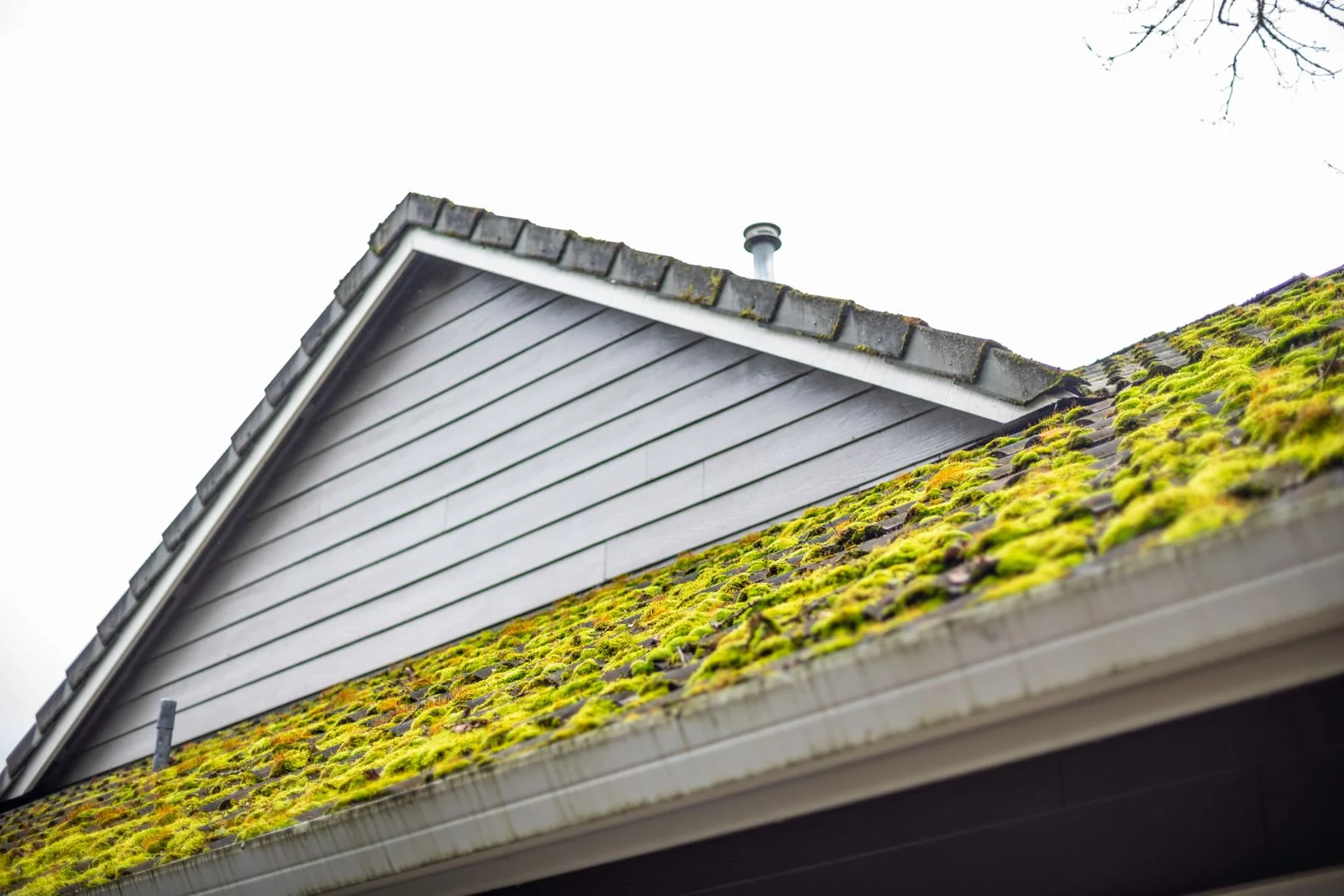
Moss thrives in damp, shaded areas — often where tree cover limits sunlight. It retains moisture against roofing materials, which can accelerate deterioration.
You're most likely to find moss near:
- Chimneys
- Skylights
- Roof valleys
- Vents
Mildew, a type of fungus, also grows in warm and moist environments — even when there isn't an active leak.
Both moss and mildew can:
- Lift shingles
- Trap moisture
- Weaken roofing materials
- Lead to mold problems inside the home
Professional cleaning and maintenance help prevent long-term damage. The team at RAM Roofing & Exteriors can assess whether cleaning or repairs are necessary.
Effects of High Heat & UV Exposure
Heat plays a major role in roof lifespan. Asphalt shingles are particularly vulnerable to:
- Ultraviolet (UV) radiation
- Infrared (IR) heat
IR radiation causes shingles to expand, while UV rays dry them out, stiffen them, and eventually cause cracking.
In extreme heat, shingles may blister or warp, compromising waterproofing performance. Proper attic ventilation and insulation can help reduce heat-related stress.
If you're noticing curling or cracking shingles, it may be time to consider professional inspection or even roof replacement.
Leakage From Environmental Damage
When branches fall or shingles deteriorate due to heat or moisture, leaks often follow. Water intrusion can damage:
- Insulation
- Rafters
- Ceilings
- Interior walls
Even small leaks can quickly escalate into larger structural issues if left untreated.
Protect Your Roof With Regular Inspections
Environmental exposure is unavoidable — but damage doesn't have to be.
Scheduling biannual inspections allows you to catch small problems before they become expensive repairs. If you're concerned about tree damage, moss growth, or weather-related wear, contact RAM Roofing & Exteriors today.
You can also request pricing or schedule service using our online instant roof quote tool to ensure your roof stays protected year-round.