 License:PA072883


Importance of Roofing and
Siding Considerations When
Investing in an HOA Property
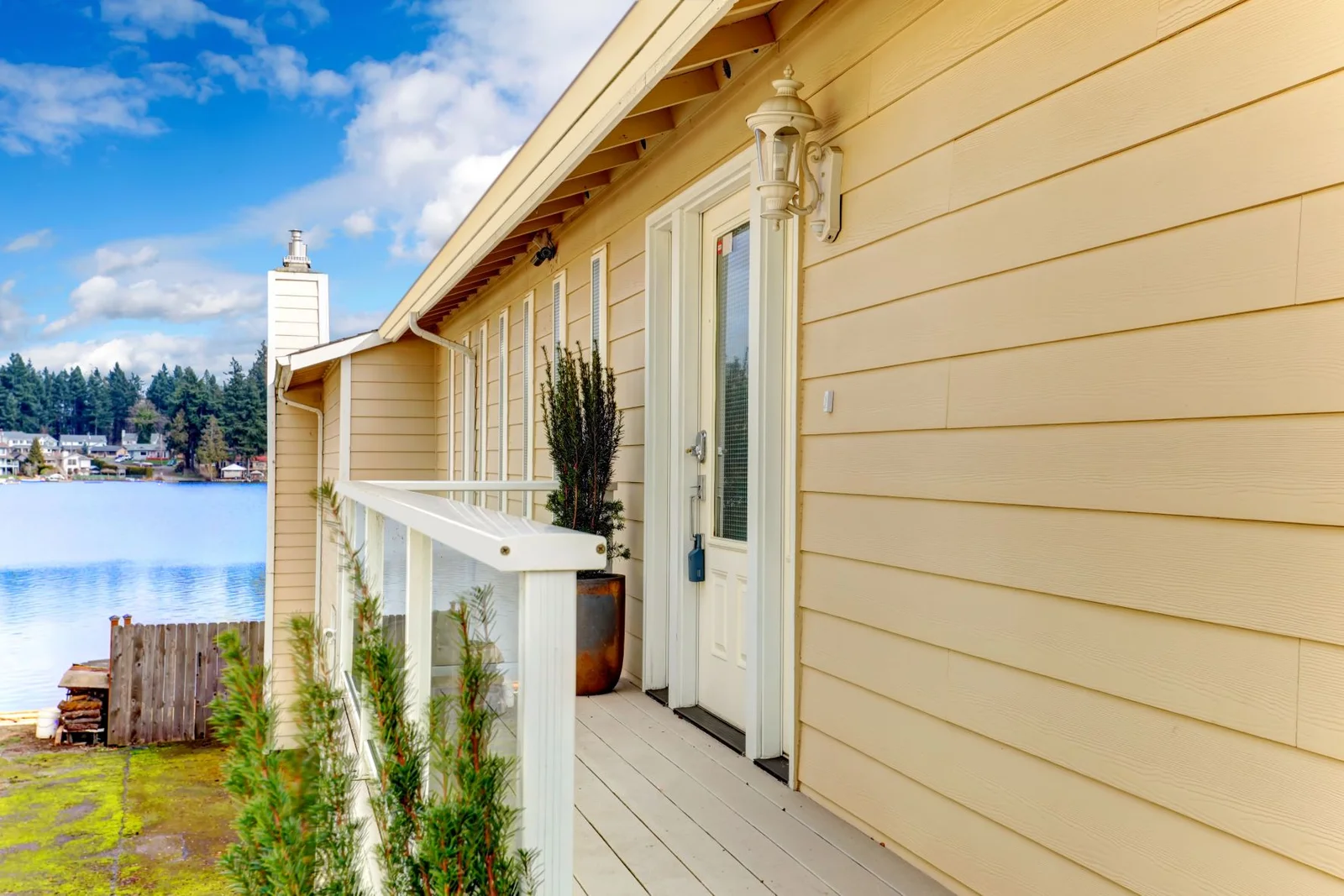
When you're touring homes in an HOA community, it's easy to focus on the kitchen, the yard, and the monthly fee. The roof and siding usually get a quick glance at best. But in an HOA, those two parts of the house come with questions that don't exist for a typical single-family home: Who pays to replace them? What are you allowed to change? And how much will you owe if the whole community needs new roofs at once?
Across Bucks, Montgomery, and Chester County, many homes are in HOA communities, from townhouse developments to single-family neighborhoods with architectural guidelines. Knowing how roofing and siding work in your community before you buy can save you from surprise costs, rejected projects, and a lot of frustration.
Here's what to look at, what to ask, and how to plan roofing and siding work once you own an HOA property.
Why Roofing and Siding Matter More in an HOA
In a typical home without an HOA, the roof and siding are entirely your call and your cost. In an HOA, they can be shared, regulated, or partly covered by the association. That changes three things:
- Responsibility. Depending on the community, the association, the homeowner, or both may be responsible for the roof and siding.
- Cost. If the association handles exterior replacements, the cost may come out of reserve funds or through a special assessment that every owner pays.
- Control. Even if you pay for it yourself, the HOA may decide what materials, colors, and styles you can use.
Questions to Answer Before You Buy
Who Is Responsible for the Roof and Siding?
There's no single answer. It depends on how the community is set up and what its governing documents say. In some communities, especially condominiums, the association handles exterior maintenance and replacement. In many townhouse communities, responsibility varies. In single-family HOA neighborhoods, the homeowner is usually responsible for their own roof and siding but must follow the architectural guidelines.
Read the HOA's declaration and rules carefully, and ask the association directly. If anything is unclear, your real estate attorney or agent can help you interpret the documents.
How Old Are the Roofs and Siding?
Ask when the roofs and siding were last replaced, both on the home you're buying and across the community. Architectural shingles are typically rated for 25 to 30 years in our climate. If an entire development was built at the same time, many roofs may reach the end of their lives around the same year.
Is There a Reserve Fund or a Risk of Special Assessments?
If the association is responsible for exterior replacements, ask how much is set aside in the reserve fund and whether any large projects are planned. A community with aging roofs and a thin reserve fund may need to raise money through a special assessment, which can be a significant, unexpected cost for each owner.
What Do the Architectural Guidelines Require?
Most HOAs have rules about what the outside of your home can look like. These often cover:
- Approved shingle colors and roofing materials
- Siding materials, colors, and profiles
- Trim colors and details
- Window and door styles, colors, and grille patterns
- Gutter colors
Ask for a copy of the current guidelines and find out how long the approval process usually takes.
How Are Shared Roofs and Walls Handled?
In townhouses and twin homes, one roof often runs across several units, and walls are shared with neighbors. Find out how repairs and replacements are coordinated when a problem affects more than one home, and who pays for which section.
Get the Roof Inspected Before You Close
A general home inspection usually spends only a few minutes on the roof. A dedicated, hands-on roof inspection gives you a much clearer picture, including how much life the roof has left, what needs repair now, and what a replacement would cost.
Our complimentary roof inspection includes labeled photos, a condition rating for each part of the roof, an estimate of remaining service life, and a written estimate for any recommended work. On an attached home, the inspection also looks at where your roof meets your neighbor's. That information can help you negotiate, and it gives you a realistic idea of what you might owe down the road. Our post on getting a roof inspection before buying a home covers more of what buyers should know.
Roofing in an HOA Community
If you're responsible for your own roof, you'll still need to follow the community's rules. That usually means choosing from approved colors and materials. The good news is that guidelines rarely stop you from choosing a quality product.
- You can often upgrade within the rules. Many communities that specify a shingle color still allow you to choose a better architectural shingle in that color.
- Matching matters. HOAs usually want new roofs to blend with neighboring homes, so bring the approved color name or a sample to your consultation.
- The system under the shingles is up to you. Ice-and-water shield, underlayment, drip edge, and flashing don't change the look of the roof, but they make a big difference in how well it performs.
Every roof replacement we do includes a full tear-off to the bare decking, decking repair where needed, ice-and-water shield at the eaves and valleys, synthetic underlayment, drip edge, and new custom-formed flashing. As a certified Owens Corning Preferred Contractor, we install to manufacturer standards and register your manufacturer warranty on your behalf. Our post on choosing the right shingle colors for your home can help you think through color options, including how to work with HOA restrictions.
Siding in an HOA Community
Siding rules often cover material, color, and profile, so it's important to check before you choose.
- Quality vinyl is the most popular siding choice in our area, and many HOA communities allow it in approved colors. Learn more about our vinyl siding options.
- Fiber cement reproduces the look of painted wood so closely that it's often approved in HOA communities and historic districts where vinyl is not. If your HOA requires a wood look or doesn't allow vinyl, HardiePlank fiber cement siding may be the answer.
Approval always depends on the specific profile, exposure, and color, not just the material. That's why we confirm what your HOA requires before anything is ordered. Whatever material you choose, a quality siding installation includes a sheathing inspection, a proper weather barrier, and flashing at every opening.
Windows, Doors, and Gutters
Roofing and siding aren't the only exterior features HOAs regulate. Windows, doors, and even gutters are often covered by the same guidelines.
- Windows: Rules may cover frame color, grille patterns, and styles visible from the street. Our replacement windows come in a range of colors, finishes, and grille patterns, depending on the product line.
- Doors: Front door color and style are often regulated. Our replacement doors include a wide range of styles and finishes.
- Gutters: Some communities specify gutter colors to match trim. Our seamless aluminum gutters come in more than 20 colors.
How to Get HOA Approval for Exterior Work
Every association has its own process, but it usually looks something like this:
- Review the current guidelines and confirm which approved materials and colors apply to your home.
- Get a written estimate that lists the exact products, colors, and scope of work.
- Submit your application to the HOA's architectural or design review committee with the product details they ask for.
- Wait for written approval before ordering materials or scheduling work.
- Keep a copy of the approval with your contract and warranty paperwork.
We'll help you choose products that fit your community's guidelines and provide the product details your application calls for. Approval timelines vary, so build them into your schedule, especially if you're planning work for spring or fall, when installation calendars fill up fastest.
Storm Damage in an HOA Community
If a storm damages your roof or siding, the first question is who files the claim. In some communities, the association's master policy covers exterior damage. In others, it's the homeowner's policy. Sometimes it's a mix. Check with your HOA and your insurance agent so you know before a storm hits.
If water is coming in, don't wait for the paperwork. We offer around-the-clock emergency home repairs, including tarping to stop the leak. Our insurance restoration team documents the damage with photos and can work with your adjuster, whether the claim goes through your policy or the association's.
Repairs in an HOA Community
Not every problem means a full replacement. A few missing shingles, a cracked pipe boot, or a section of loose flashing can usually be fixed with a targeted roof repair. In an HOA, repairs should match the existing materials and colors as closely as possible, so the roof still blends with the rest of the community. We give honest, repair-focused recommendations and won't push a replacement your roof doesn't need.
The Upside of HOA Standards
HOA rules can feel restrictive, but they also have real benefits for your investment:
- Consistent upkeep across the neighborhood helps protect property values
- A cohesive look keeps the community from becoming a patchwork of mismatched exteriors
- Neglected homes are less likely to drag down the value of yours
If you're comfortable working within the guidelines, an HOA can be a great place to own a home.
Paying for Exterior Projects
If a roof or siding project falls on you, our financing options let qualified homeowners spread out the cost.
Why Homeowners Trust RAM Roofing & Exteriors
Our roots go back to the early 1990s, and our office is located at 52 E Oakland Ave, Suite 3A, Doylestown, PA 18901. Homeowners count on us for:
- Complimentary roof inspections with detailed written estimates
- Around-the-clock emergency storm damage response
- Honest, repair-focused recommendations, with no unnecessary replacements
- Fully licensed and insured in Pennsylvania and New Jersey (PA072883 and NJ 13VH11020800)
- Certified Owens Corning Preferred Contractor backed by manufacturer standards
- A 4.9-star Google rating from 200+ reviews. Read what homeowners say on our testimonials page.
HOA Roofing and Siding Across the Region
From our Doylestown office, we work with homeowners in HOA communities throughout the region. That includes townhouse and single-family neighborhoods in Warrington, King of Prussia, and Havertown, where twin homes and shared rooflines call for careful coordination.
Plan Your HOA Exterior Project the Right Way
Whether you're buying in an HOA or planning work on a home you already own, the first step is knowing exactly what you're working with. Schedule a complimentary inspection with RAM Roofing & Exteriors, and we'll give you a clear picture of your roof's condition and a written estimate you can use for your HOA application. Have questions first? Visit our FAQ.
Call or text (215) 315-7700 to get started.