 License:PA072883


Tear-Off vs. Layover (Roofing Over Existing Shingles): When Each Makes Sense in Pennsylvania
When it's time for a new roof, one of the first questions homeowners ask is whether they need a full tear-off or if a layover (roofing over the existing shingles) will get the job done. Both methods are legal in Pennsylvania, both are commonly used, and both have a place — but choosing the wrong one can cost you years of roof life and thousands of dollars in avoidable repairs.
Pennsylvania's freeze-thaw cycles, heavy snow loads, and humid summers make this decision more consequential here than in milder climates. Here's what you need to know before you decide.
What Is a Roof Tear-Off?
A tear-off is exactly what it sounds like — every layer of existing roofing material is stripped down to the bare decking before new shingles go on.
A complete tear-off includes:
- Removal of all old shingles
- Removal of old underlayment
- Inspection of the wood decking for rot, soft spots, and water damage
- Replacement of damaged plywood or OSB
- New ice-and-water shield, underlayment, drip edge, and flashing
- Fresh shingle installation on a clean, sound surface
Tear-offs cost more and take longer, but they give you a full reset on the entire roofing system — not just the visible surface.
What Is a Layover (Roof-Over)?
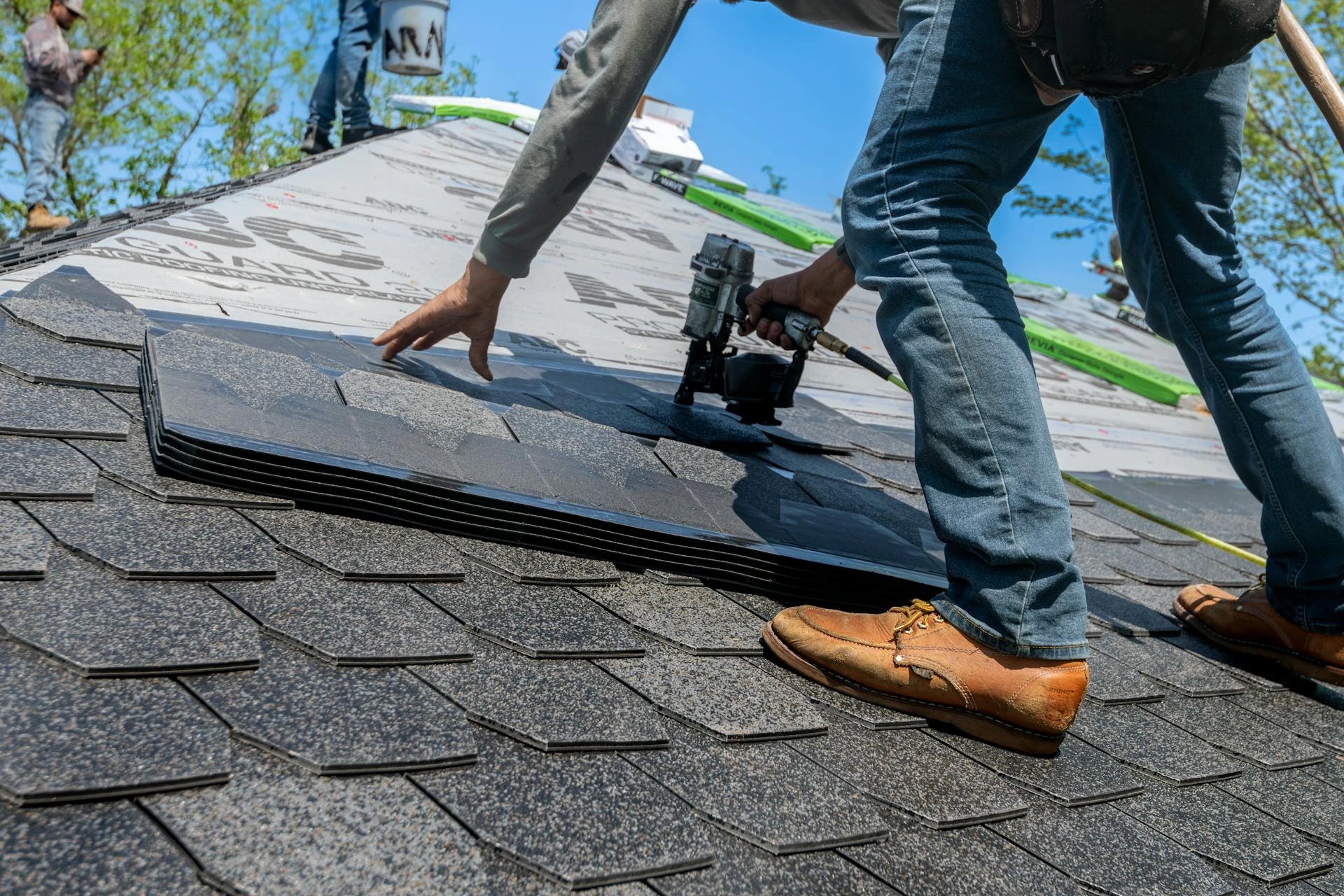
A layover installs a new layer of shingles directly on top of the existing roof. The old shingles stay in place, and new shingles are nailed through them into the decking below.
Layovers are cheaper and faster because there's no demolition, no debris hauling, and significantly less labor. The trade-off is that everything underneath the top layer — the underlayment, the flashing, and the decking — stays hidden and untouched.
What Pennsylvania Code Allows
This is where many homeowners get tripped up. Under the International Residential Code adopted by Pennsylvania, a roof can have a maximum of two layers of asphalt shingles. If your home already has two layers — or one layer plus any signs of structural stress — a layover is off the table, and a full tear-off is required by code.
A few additional code-driven rules apply:
- Wood shake or slate roofs cannot be covered with asphalt shingles
- If the existing roof shows curling, buckling, or significant granule loss, a layover is not permitted
- If the deck shows any signs of rot or sagging, the old roof must come off so the decking can be repaired or replaced
A proper roof inspection is the only reliable way to determine which layers are already present and whether the structure can support a second one.
Why Pennsylvania's Freeze-Thaw Cycle Changes the Math
This is the part out-of-state advice gets wrong. Pennsylvania winters bring repeated freeze-thaw cycles — water seeps into small openings during the day, freezes overnight, expands, and creates new gaps. Multiply that by dozens of cycles per winter, and small roofing weaknesses become major ones fast.
Here's how that affects each option:
Layover risks in PA freeze-thaw conditions:
- Trapped moisture between the two shingle layers accelerates deck rot
- Existing underlayment cannot be replaced, even if it's already failing
- Ice dams form more easily on uneven, double-layered surfaces
- Flashing around chimneys, valleys, and skylights stays old and brittle
- Heat retention from two layers in summer shortens shingle life
Tear-off advantages in PA freeze-thaw conditions:
- New ice-and-water shield can be installed along eaves and valleys — the single biggest defense against ice dams
- All flashing is replaced, eliminating the most common leak points
- Decking is inspected and repaired before being sealed back up
- The roof's heat profile and ventilation can be properly assessed and corrected
In a climate like ours, the parts of the roof you can't see do most of the actual work. A layover leaves those parts untouched.
When a Layover Actually Makes Sense
Layovers are not automatically a bad choice. They can be a reasonable, code-compliant solution in specific situations:
- The roof has only one existing layer of asphalt shingles
- The existing shingles are flat, fully adhered, and not curling
- The decking is sound with no soft spots, sag, or visible water staining inside the attic
- The flashing and underlayment show no signs of failure
- You're not planning to stay in the home long-term and need a cost-effective interim solution
- You have a simple roof shape without complex valleys, dormers, or many penetrations
If your home checks all of those boxes, a layover can extend your roof's service life at a meaningfully lower price point.
When a Tear-Off Is the Only Right Answer
A full roof replacement with complete tear-off is the right call when any of the following apply:
- Your roof already has two layers of shingles
- Shingles are curling, blistering, or losing granules at scale
- You see water stains, mold, or daylight in the attic
- The roof deck is soft, spongy, or visibly sagging
- Flashing is rusted, lifted, or leaking around chimneys, vents, or valleys
- You've had repeated ice dam damage in recent winters
- The roof is older than 18–20 years with original underlayment
- You're planning to stay in the home long-term and want the full warranty
In every one of these cases, a layover doesn't solve the actual problem — it just hides it for a few years while the underlying damage gets worse.
Cost: What You're Actually Paying For
A layover typically costs 20–40% less than a full tear-off, mainly because of labor and disposal savings. That's a real number, and for the right home it's a real benefit.
But the long-term math often flips:
- Layover roofs frequently last 5–10 fewer years than a tear-off in the same conditions
- Manufacturer warranties on shingles are often reduced or voided when installed over existing material
- Hidden decking damage discovered later usually means tearing off the layover anyway — paying for two roofs in 10–15 years instead of one in 25
- Some home insurance carriers offer better coverage on roofs with full tear-offs and modern underlayment systems
If you plan to sell within a few years, a layover can be the smarter financial play. If you plan to stay, a tear-off almost always wins on cost-per-year.
Warranty and Resale Considerations
Most major asphalt shingle manufacturers will only honor their full system warranty when shingles are installed on a properly prepared, single-layer deck with approved underlayment and ventilation. Install over an existing layer, and the warranty drops to a basic material-only coverage — sometimes nothing at all.
Home inspectors and buyers also pay attention. A two-layer roof is a known red flag on a home inspection report, and it can affect both your selling price and the buyer's mortgage approval if their lender's appraiser flags the roof's remaining useful life.
Which Option Is Right for Your Home?
Use this as a quick decision guide:
- Choose a layover if your roof has one layer, sound decking, undamaged flashing, a simple shape, and you need a budget-friendly solution for the next 10–15 years.
- Choose a tear-off if your roof has two layers, any signs of decking or flashing damage, recurring ice dam issues, or if you plan to stay in the home long enough that long-term value matters more than upfront savings.
For most Pennsylvania homes — especially those more than 15 years old — a full tear-off is the better investment. Our climate is simply too hard on hidden roof components to leave them in place for another decade.
Talk to a Local Roofer Who Knows PA Conditions
The right answer depends on what's actually happening under your shingles — and you can't tell that from the ground. A proper attic check, deck assessment, and flashing review will tell you in 30 minutes whether your home is a candidate for a layover or needs a full tear-off.
If your roof is showing age and you're not sure where it stands, the team at RAM Roofing & Exteriors can walk your roof, give you an honest assessment, and lay out your options in plain English. Whether you need a targeted roof repair, a full roof replacement, or just a professional roof inspection to see where you stand, we've been doing this across Bucks, Montgomery, Berks, and Lehigh Counties for 30+ years.
Call (215) 315 - 7700 or contact us to schedule a free assessment.