 License:PA072883


Top Materials for Harsh Winters
and Storms in Pennsylvania
Southeastern Pennsylvania doesn't get the deepest snow in the country, but it might have one of the trickiest winters for a house. Temperatures swing above and below freezing again and again. A snowfall melts on a sunny afternoon and refreezes overnight. Nor'easters bring wind-driven rain and heavy, wet snow, and spring and summer storms add hail and strong gusts to the mix.
Every one of those conditions finds the weak spots in a home's exterior. The materials on your roof, walls, and roof edge decide whether your home rides it out or ends up with leaks, ice dams, and storm damage.
With winter on the way, here's a practical look at the materials that hold up best in our climate, from the roof down, and the hidden details that matter just as much as the material you can see.
What Pennsylvania Winters Do to a Home
Before comparing materials, it helps to know what they're up against:
- Freeze-thaw cycles. Water gets into tiny cracks, freezes, expands, and widens them, over and over all winter.
- Ice dams. Snow melts higher on the roof, runs down to the colder eaves, and refreezes, pushing water back under the shingles.
- Heavy, wet snow. It adds weight to the roof and strain to gutters.
- Wind. Strong gusts lift shingle edges, loosen siding, and tear at anything that isn't fastened properly.
- Hail. Spring and summer hail can crack shingles, dent gutters, and damage siding, setting the roof up for problems the following winter.
The best materials for our area are the ones that handle all of these, not just one.
The Best Roofing Materials for Winter and Storms
Architectural Asphalt Shingles
Architectural shingles are the most common roof on homes in our area, and for good reason. Modern asphalt shingles are built on a fiberglass mat, and architectural shingles add multiple bonded layers on top of that, which makes them thicker and tougher than the old flat three-tab shingles.
- Lifespan: Rated for 25 to 30 years in our climate when installed and maintained properly
- Wind: Wind ratings commonly reach 110 to 130 mph when installed to manufacturer specification
- Cost: About $8,000 to $16,000 for a typical 1,500 to 2,000 square foot home
They offer the best balance of cost, durability, and appearance for most homes. If you're comparing shingle types, our post on 3-tab vs. architectural shingles breaks down the difference.
Impact-Resistant Shingles
If hail is your biggest concern, impact-resistant shingles are worth a serious look. They carry a Class 4 rating under UL 2218, the highest impact classification available. A reinforcing backing lets the shingle absorb a strike instead of fracturing. Some insurance carriers offer a premium discount for Class 4 roofs, so it's worth a call to your agent.
High-Wind Rated Shingles
For homes on open, exposed lots or hilltops where wind is a regular problem, high-wind rated shingles add another layer of protection. On Owens Corning roofs, a 160 mph wind rating is available when the manufacturer's component requirements are met and starter shingles are installed on both the eaves and rakes.
Standing Seam Metal
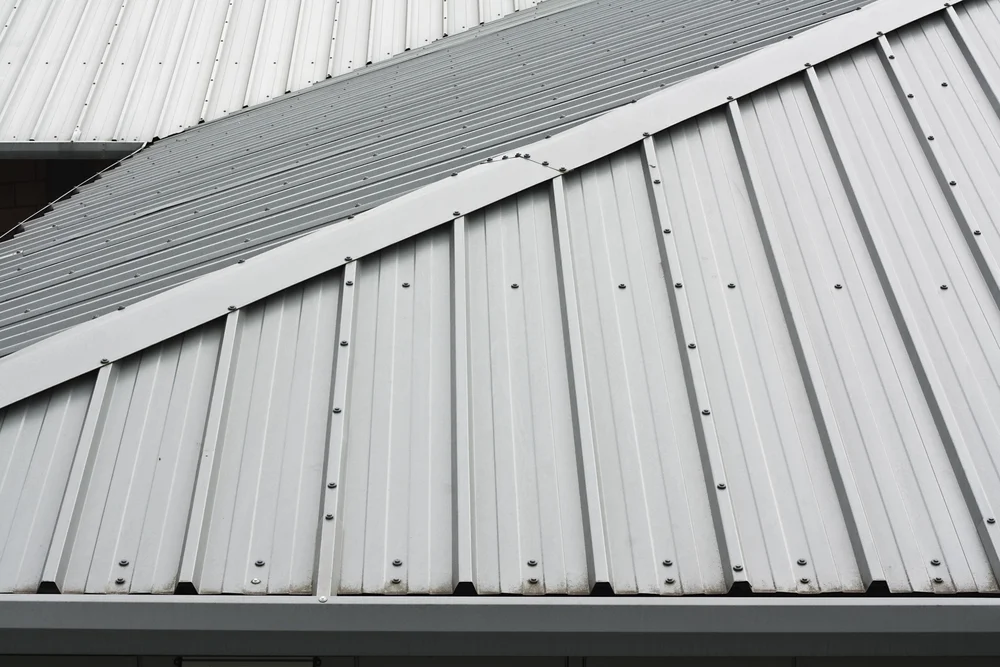
Metal is one of the toughest roofing materials for snowy climates. Standing seam panels shed snow and ice instead of holding it, which reduces weight on the roof and helps limit ice dams at the eaves. Metal resists wind exceptionally well and commonly lasts 40 to 70 years.
- Cost: About $25,000 to $40,000 for a standing seam roof, depending on profile and material
- Keep in mind: Because snow slides off all at once, snow guards above walkways, entries, and gutters are often a smart addition. Hail can also dent metal, though the dents are usually cosmetic.
Metal is also a great choice for low-slope porch roofs and additions where asphalt struggles. Our post on steel roofing vs. shingles compares the two in detail.
Slate
Slate is the long-distance runner of roofing. Many original slate roofs in our area are 80 to 100 years old. It's extremely durable and suits historic homes beautifully, but it's also the most expensive option, at about $35,000 to $65,000 or more, and it requires an experienced installer.
Rubber Membranes for Flat and Low-Slope Roofs
Shingles aren't designed for flat or very low-slope roofs, where water and melting snow sit instead of running off. For additions, porches, and other low-slope sections, rubber membranes (TPO or EPDM) are the standard. They form a continuous waterproof surface that holds up well through freeze-thaw cycles.
The Hidden Layers That Matter Most in Winter
Here's something many homeowners don't realize: in winter, the layers under your shingles often do more to keep water out than the shingles themselves. Every roof replacement we do includes:
- Ice-and-water shield at the eaves, in the valleys, and around penetrations. This self-adhering membrane is your main defense when an ice dam pushes water back under the shingles.
- Synthetic underlayment across the rest of the roof deck as a second barrier against water.
- Drip edge at the rakes and eaves to protect the roof edge and direct water into the gutters.
- Custom-formed flashing at chimneys, skylights, valleys, and sidewalls, where most leaks actually start.
- Decking repair wherever the sheathing is soft or damaged, so the new roof sits on a solid base.
A premium shingle installed over a weak underlayment or old flashing will still leak. Our post on the signs and solutions to ice damming explains why the roof edge matters so much in winter.
The Best Siding Materials for Winter and Storms
HardiePlank Fiber Cement
Fiber cement is one of the toughest siding materials available for our climate. The line we install is engineered for local conditions. It doesn't rot, freeze-thaw cycles have almost nothing to work on, and it's roughly five times thicker than standard vinyl, so it can take hail and impacts without denting. It's also non-combustible. Learn more about our HardiePlank siding.
Quality Vinyl
Quality vinyl siding resists moisture and rot and holds up well to seasonal temperature swings when it's thick enough and installed correctly. Thin, low-grade vinyl is a different story. It's more likely to crack in the cold and pull loose in the wind. Our post on why you don't want cheap vinyl siding explains what to look for.
With either material, what's behind the siding matters just as much: sound sheathing, a quality weather barrier, and properly flashed windows and doors.
Gutters Built for Snow and Ice
Gutters take a beating in winter. Ice and heavy snow can pull weak gutters right off the house, and clogged gutters add to ice dams at the roof edge. Our seamless aluminum gutters are formed on site to fit each run, with joints only at the corners, and they're hung with heavy-duty hidden hangers that resist sagging under snow and ice. They come in 5-inch and 6-inch sizes, and copper is available for homes where it fits the style.
Windows and Doors That Keep Winter Out
Cold drafts and frosty glass usually point to old windows and doors. Modern replacement windows use double-pane Low-E glass with argon as standard, with triple-pane glass available as an upgrade. Warm-edge spacers cut heat loss at the edge of the glass, where condensation and frost show up first on older windows.
For entry doors, fiberglass is the most popular choice for exposed entries. It doesn't rot, rust, or warp through humid summers and freezing winters. Our replacement doors are installed with a sill pan and flashing so wind-driven rain drains out instead of soaking the wall.
Choosing the Right Materials for Your Home
The best material depends on your home, your budget, and how long you plan to stay. A few questions to think about:
- How exposed is your home? Open lots and hilltops see more wind. Heavily wooded lots see more falling branches.
- How long will you stay? Longer-lasting materials like metal and fiber cement make more sense the longer you plan to own the home.
- What's your roof's shape? Low-slope sections need membranes or metal, not shingles.
- What's your home's style? Historic homes may call for slate, cedar, or fiber cement. Most homes look great in architectural shingles and quality vinyl.
- What's your budget? Our financing options let qualified homeowners spread out the cost of an upgrade.
Get Your Home Ready Before the First Storm
The best time to find a weak spot is before winter finds it for you. A complimentary roof inspection checks your shingles, flashing, decking, and gutters and gives you labeled photos and a written estimate for anything that needs attention. If your roof has isolated damage, a targeted roof repair may be all you need. We give honest, repair-focused recommendations and won't push a replacement your roof doesn't need.
And if a winter storm does damage your home, we offer around-the-clock emergency home repairs, including tarping and board-ups, and our insurance restoration team can help document damage for your claim.
Why Homeowners Trust RAM Roofing & Exteriors
Our roots go back to the early 1990s, and our office is located at 52 E Oakland Ave Ste 3A, in Doylestown. Homeowners count on us for:
- Certified Owens Corning Preferred Contractor backed by manufacturer standards
- Complimentary roof inspections with detailed written estimates
- Honest, repair-focused recommendations, with no unnecessary roof replacements
- Around-the-clock emergency storm damage response
- Fully licensed and insured in Pennsylvania and New Jersey (PA072883 and NJ 13VH11020800)
- A 4.9-star Google rating from 200+ reviews. See what homeowners say on our testimonials page.
Storm-Ready Exteriors Across Bucks, Montgomery, and Chester County
From our Doylestown office, we help homeowners prepare for winter throughout the region. That includes homes in New Hope, Hilltown, and across Chester County, where river valleys, open farmland, and wooded lots each bring their own winter challenges.
Build a Home That Stands Up to Winter
The right materials, installed the right way, can keep your home dry and comfortable through decades of Pennsylvania winters. Schedule a complimentary inspection with RAM Roofing & Exteriors, and we'll help you choose materials that fit your home and budget. Have questions first? Visit our FAQ.
Call (215) 315-7700, day or night if a storm has already done damage.