 License:PA072883


Vinyl Siding vs Paint:
Which One Is Right for Your Home?
Peeling trim, chalky clapboards, and a south wall that fades faster than the rest of the house. Sooner or later every homeowner with a painted exterior gets to the same question: do you scrape and repaint one more time, or do you cover the walls with new siding and stop worrying about it?
There is no single right answer. It depends on the condition of the wood under the paint, how long you plan to stay, how much upkeep you are willing to take on, and what your roof and gutters are doing to those walls every time it rains. This guide walks through the real trade-offs so you can make the call with confidence.
Paint and Siding Solve Different Problems
It helps to start here, because the two options are not really the same kind of fix. Paint is a coating. It refreshes the surface that is already on your house and gives it a few more years of protection. Siding is a cladding system. It replaces the outer skin of the home, and when it is installed properly it goes over a weather-resistant barrier that helps keep water away from the sheathing and framing.
That means paint can only be as good as the wood it is sitting on. If the boards are sound, a quality paint job can look great. If moisture is already getting behind them, a fresh coat just hides the problem for a season or two.
The Case for Painting Your Exterior
Lower Upfront Cost
If your wood siding is in good shape, repainting usually costs less today than installing new siding. For homeowners planning to sell in the next few years, or who simply are not ready for a bigger project, that matters.
Preserving Original Character
Older homes with detailed wood trim, cedar shakes, or historic features often look their best with paint. Some neighborhoods and historic districts also have guidelines about exterior materials, so it is worth checking before you commit to any change.
The Downside: Paint Is a Cycle, Not a Finish
Pennsylvania weather is hard on paint. Humid summers, freeze and thaw swings through winter, and strong sun on south and west facing walls all break down the coating. Most painted exteriors need attention every 5 to 10 years, and every round means scraping, priming, caulking, and repainting. If your house was built before 1978, old layers may also contain lead, which requires lead-safe work practices when the surface is disturbed.
Over a couple of decades, those repaint cycles add up in both money and hassle.
The Case for Vinyl Siding
It Does Not Look Like the Vinyl You Remember
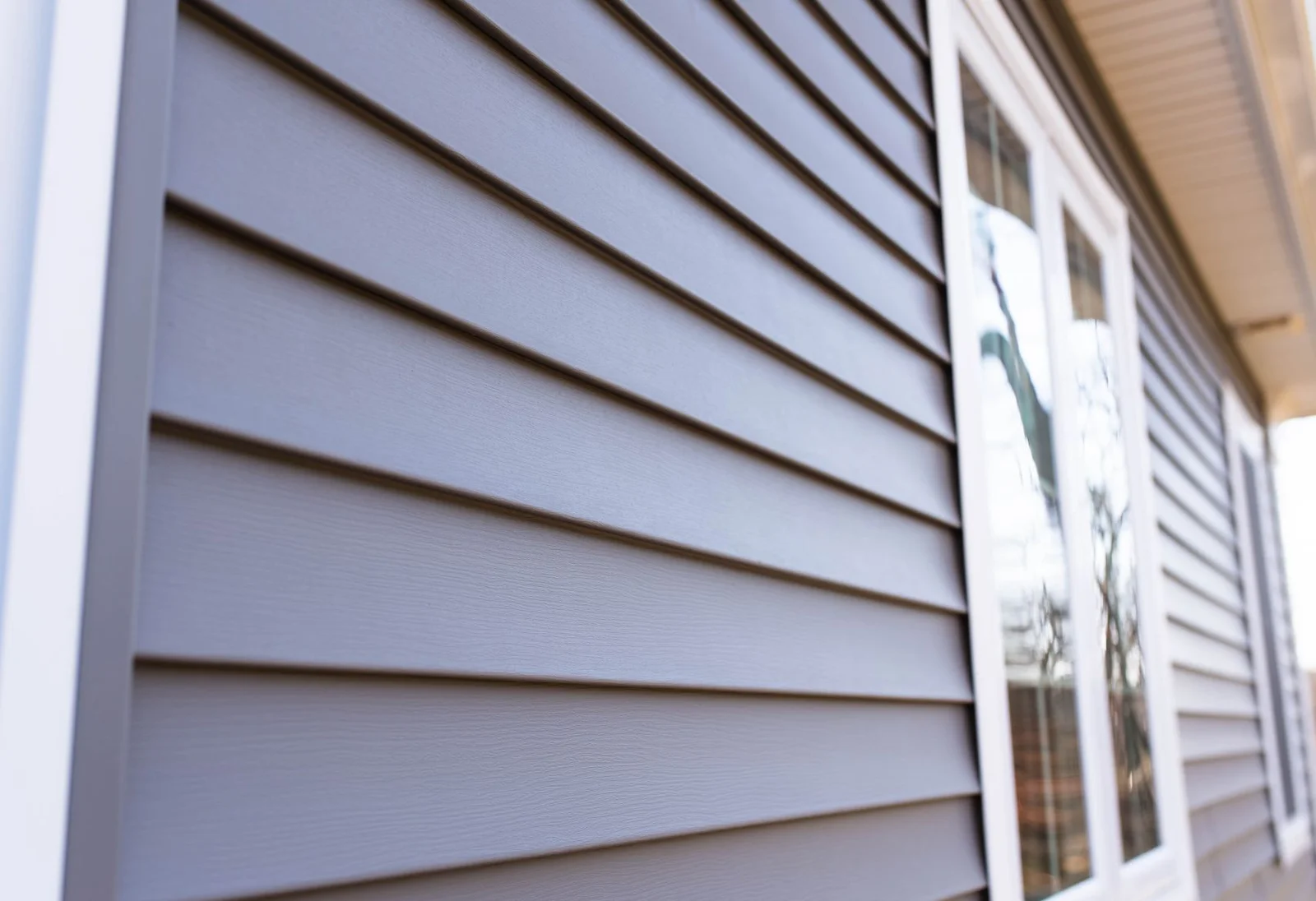
Plenty of homeowners still picture thin, shiny panels that rattle in the wind. Today's vinyl siding is a different product. You can choose thicker panels, realistic wood grain textures, board and batten, shake and scallop profiles, and deeper colors that were hard to find years ago. On a lot of homes, people driving by cannot tell it is vinyl at all.
Maintenance Drops to Almost Nothing
Vinyl never needs scraping or repainting. A gentle wash with a garden hose and a soft brush once or twice a year keeps it looking clean. That is the biggest reason homeowners who plan to stay put for the long haul end up choosing siding over paint.
A Chance to Fix What Is Underneath
A full siding installation gives you something paint never does: a look at the walls. When old material comes off, soft sheathing, missing flashing around windows, and gaps that let in drafts and insects can be repaired before new siding goes on. You are not just changing the color. You are resetting the exterior.
Better Recovery After Storms
Wind, hail, and falling branches can damage any exterior. The difference is that a cracked or loose vinyl panel can usually be replaced on its own, while damaged painted wood often means patching, priming, and repainting a whole section so it matches. If a storm does hit, our insurance restoration team can document siding and roof damage together and help you through the claim process.
Vinyl Siding vs Paint at a Glance
| Factor | Exterior Paint | Vinyl Siding |
|---|---|---|
| Upfront cost | Lower | Higher |
| How long it lasts | Typically 5 to 10 years before repainting | Often 20 to 40 years with basic care |
| Routine upkeep | Scraping, priming, caulking, and repainting on a cycle | A gentle wash once or twice a year |
| Moisture protection | Only as good as the wood and prep underneath | Panels shed water over a weather-resistant barrier |
| Storm damage | Exposed wood can split, peel, or soak up water | Damaged panels can often be replaced individually |
| Look | Keeps original wood character | Wide range of textures, profiles, and deeper colors |
| Best fit | Sound wood, historic details, shorter stay | Long-term owners who want less maintenance |
What About Fiber Cement Siding?
If you love the look of painted wood but are tired of the maintenance, fiber cement sits right in the middle. HardiePlank siding has a heavier, more authentic wood appearance, resists fire, rot, and insects, and comes with factory applied color that holds up far longer than site-applied paint. It costs more than vinyl, but for many homeowners it is the best of both worlds.
Exterior Trends Homeowners Are Choosing Right Now
If you are updating your siding, it is a good time to think about the whole exterior. A few directions are especially popular in current home design:
- Darker, moodier colors. Deep blues, greens, and charcoal grays have become far more common as fade resistance in siding products has improved.
- Mixed textures. Horizontal lap siding on the main walls paired with board and batten or shakes on gables adds depth without extra upkeep.
- Contrasting windows and doors. Dark window frames and bold entry doors against lighter siding give a clean, modern look. Pairing new siding with replacement windows and replacement doors lets everything get flashed and sealed together.
- Low maintenance everything. Homeowners want exteriors that look good without a weekend of chores every summer. Energy efficient vinyl window replacements fit that same mindset.
Why Your Roof Should Be Part of the Siding Decision
This is the part most siding and paint comparisons skip, and it is one of the most important. Your roof and walls work as a single system. Many cases of peeling paint, stained siding, and rotted wall sheathing actually start at the roofline.
Where Roof Problems Show Up on Your Walls
- Step and kickout flashing. Where a roof meets a sidewall, missing or failing flashing can send water straight down behind the siding.
- Overflowing gutters. Clogged or undersized gutters spill water down the face of the house, which wears out paint quickly and stains siding. Properly sized gutters with good downspout placement protect the walls and foundation.
- Drip edge and fascia. Water that wicks behind the fascia can rot trim boards and the top courses of siding.
- Attic moisture. Damp roof decking and stained soffits can signal a roof issue that eventually shows up on the exterior.
Roof First, Then Siding
If your roof is near the end of its life, it usually makes sense to handle it before or alongside new siding. Flashing at roof-to-wall connections is often tied into both systems, so doing the work in the right order means it only has to be done once. A roof inspection before you choose paint or siding tells you exactly where things stand.
Sometimes the answer is a targeted roof repair, like resealing flashing or replacing damaged shingles. Other times a full roof replacement is the smarter long-term investment. As a certified Owens Corning roofing installer, RAM Roofing & Exteriors will give you an honest recommendation either way, and we will not push a replacement you do not need.
Signs Your Exterior Needs More Than a Fresh Coat of Paint
Paint is a fine choice when the wood is healthy. It stops making sense when you notice any of these:
- Boards that feel soft or crumble when pressed with a screwdriver
- Paint peeling again within two or three years of the last job, which often points to moisture behind the surface
- Warped, cupped, or split siding boards
- Mold, mildew, or dark streaks that keep coming back
- Holes from woodpeckers, carpenter bees, or other pests
- Drafts or water stains around window frames, which may call for window repairs as part of the project
If water has already caused damage, such as a section of siding torn off in a storm or a leak showing up inside, do not wait for a planned project. Our emergency home repairs crew responds around the clock to secure your home and prevent further damage.
So, Which One Is Right for You?
Paint Is Usually the Better Fit If
- Your wood siding and trim are solid with no rot or moisture problems
- Your home has historic details you want to keep
- You plan to sell within a few years and want a lower cost refresh
Vinyl Siding Is Usually the Better Fit If
- You are tired of repainting every several years
- The existing siding shows rot, warping, or repeated peeling
- You plan to stay in your home for the long term
- You want to update the look of your home and fix hidden problems at the same time
If budget is what is holding you back from siding, financing options can make the project easier to plan around.
Why Homeowners Trust RAM Roofing & Exteriors
RAM Roofing & Exteriors has been protecting homes across southeastern Pennsylvania and New Jersey from our office in Doylestown for years. When you call us about siding, paint, or the roof above it, here is what you can expect:
- Complimentary roof inspections with detailed written estimates
- Around-the-clock emergency storm damage response
- Honest, repair-focused recommendations with no unnecessary roof replacements
- Fully licensed and insured in Pennsylvania and New Jersey (PA072883 and NJ 13VH11020800)
- A 4.9-star Google rating from more than 200 homeowners, which you can read on our testimonials page
- Certified Owens Corning roofing installer backed by manufacturer standards
We work with homeowners throughout Bucks County and Montgomery County, including older homes in New Hope and Newtown where paint versus siding is a common debate, as well as neighborhoods in Lansdale and Ambler. Learn more about our team and how we approach every project.
Frequently Asked Questions
Can you paint vinyl siding?
Yes. Vinyl siding can be painted with paint formulated for vinyl, usually in a shade the same or lighter than the original color. Very dark paint can absorb heat and cause panels to warp. Painting may also affect the manufacturer warranty, so check your warranty terms first.
How long does vinyl siding last in Pennsylvania?
Quality vinyl siding that is installed correctly often lasts 20 to 40 years in our climate. Proper nailing that allows panels to expand and contract with temperature swings is a big part of how well it holds up.
Is it cheaper to paint or install siding?
Painting is almost always cheaper upfront. Over 15 to 20 years, though, the cost of repeated repainting can close much of that gap, especially if repairs to the wood are needed each time.
Should I replace my roof or my siding first?
In most cases the roof comes first, or both are done together. Roof-to-wall flashing connects the two systems, and doing the roof first keeps new siding from being disturbed later.
Does homeowners insurance cover siding damage?
Siding damaged by a sudden event like hail, wind, or a fallen tree is often covered, depending on your policy. Normal wear and fading typically is not. We can inspect the damage and help you document it for your claim.
Have another question? Visit our FAQ page for more answers from our team.
Schedule a Free Exterior and Roof Inspection
Not sure whether your home needs a fresh coat of paint, new siding, or attention at the roofline first? RAM Roofing & Exteriors will take a look at the whole exterior and give you a clear, written estimate with no pressure and no obligation.
Call or text 24/7: (215) 315-7700
Request service online: Contact Us
Visit our office: 52 E Oakland Ave Ste 3A, Doylestown, PA 18901