 License:PA072883



What Are the Signs and
Solutions to Ice Damming
on Roofs During the Winter?
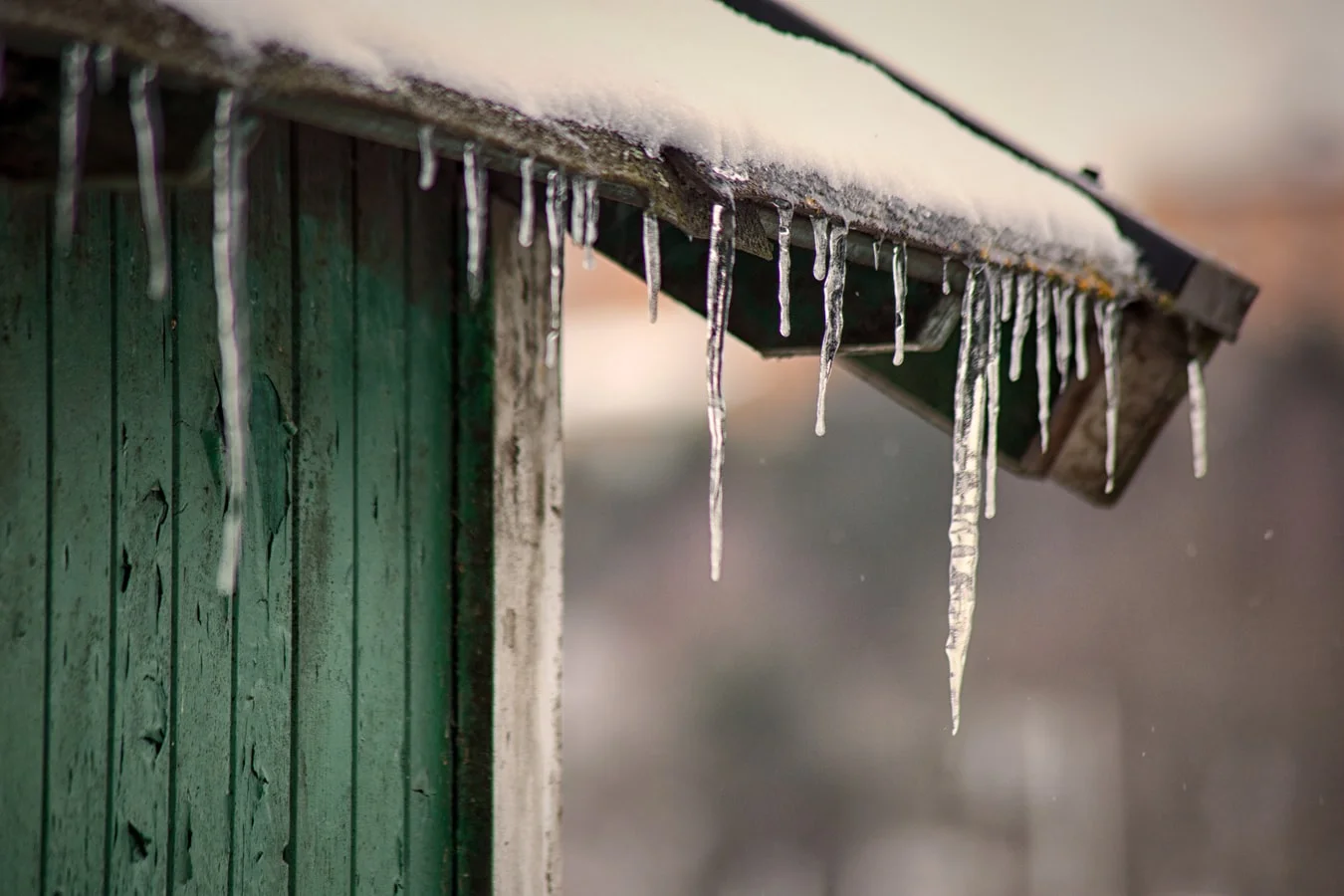
The first real snow of the season always looks beautiful on a roofline. A few days later, the icicles start growing along the gutters, and that's when a lot of homeowners in Bucks and Montgomery County get their first ceiling stain of the winter.
Ice dams are one of the most common winter roof problems we repair. They don't look like much from the ground, but they can push water under your shingles, rot the roof edge, and leak into walls and ceilings long before spring. The good news is that most ice dam damage can be prevented, and the warning signs are easy to spot once you know what to look for.
With winter just around the corner, here's what every Pennsylvania homeowner should know about ice dams: how they form, how to spot them, what to do if you have one, and how to protect your roof before the snow flies.
What Is an Ice Dam?
An ice dam is a ridge of ice that forms along the lower edge of your roof, usually right above the gutters. Here's how it happens:
- Snow builds up on your roof.
- Heat escaping from your living space warms the upper part of the roof deck, and the snow there starts to melt.
- The meltwater runs down toward the eaves, which hang out past the warm part of the house and stay much colder.
- The water refreezes at the cold edge, building up a ridge of ice.
- More meltwater collects behind that ridge with nowhere to go, backs up under the shingles, and finds its way into the roof deck, walls, and ceilings.
Shingles are designed to shed water running downhill. They aren't designed to hold back standing water, which is exactly what an ice dam creates.
Why Ice Dams Are So Common in Southeastern Pennsylvania
Our winters are practically built for ice dams. Instead of staying cold all season, temperatures here swing above and below freezing again and again. A snowfall followed by a few sunny days and cold nights is the perfect recipe. Every freeze-thaw cycle melts a little more snow and refreezes a little more ice at the edge.
Older homes are especially prone to them. Many have roofs that were installed before current protections at the eaves became standard, and plenty of older roof edges were never protected with ice-and-water shield at all.
Warning Signs of Ice Dams
Signs Outside Your Home
- Large icicles hanging from the gutters or roof edge. A few small icicles are normal. Thick, heavy ones are a red flag.
- A thick ridge of ice along the eaves or packed inside the gutters
- Ice or water coming out from behind the gutters or running down the siding
- Gutters sagging or pulling away from the house under the weight of ice
- Snow melting unevenly on the roof, with bare patches higher up and heavy snow and ice at the edges
Signs Inside Your Home
- Water stains or wet spots on ceilings, especially near exterior walls
- Peeling paint or bubbling along the top of exterior walls
- Damp or stained drywall around windows on the upper floor
- Frost, damp spots, or water stains on the underside of the roof deck in the attic
- A musty smell in upstairs rooms or the attic
If you're seeing interior signs, water has already gotten past the roof. Don't wait for spring to deal with it.
The Damage Ice Dams Can Cause
Ice dams do damage in a few different ways:
- Roof leaks into ceilings and walls
- Rotted roof decking at the eaves from water sitting under the shingles
- Rotted fascia and soffits where water soaks the wood at the roof edge
- Damaged shingles that get lifted, cracked, or torn by ice
- Bent or torn-off gutters from the weight of ice. Our gutter installations use heavy-duty hidden hangers designed to resist sagging under snow and ice.
- Mold and mildew inside walls and ceilings where moisture lingers
Some of this damage won't show up until long after the ice has melted, which is why a spring inspection after a heavy winter is so important.
What to Do If You Have an Ice Dam Right Now
Stay Safe First
Never climb onto an icy roof. Ladders on ice and snow are extremely dangerous, and falling ice can injure anyone standing below. Keep people and pets away from areas under large icicles.
Don't Chip or Hammer at the Ice
It's tempting to attack an ice dam with a hammer, chisel, or shovel. Don't. You're far more likely to break shingles, tear gutters, and puncture the roof than you are to fix the problem.
Remove Snow From the Ground
If you can do it safely, a roof rake used from the ground can pull snow off the lower few feet of the roof. Less snow above the eaves means less meltwater feeding the dam. Work carefully and stay well clear of falling snow and ice.
Contain Any Leaks Inside
Put buckets under drips, move furniture and valuables, and take photos of any damage for your records. If water is near light fixtures or outlets, stay away and turn off power to that area at the breaker panel if you can do it safely.
Call for Help if Water Is Coming In
If an ice dam is causing an active leak, we offer around-the-clock emergency home repairs to contain the leak and protect your home until permanent repairs can be made. Permanent roof repairs can't be done safely in severe weather, so the first goal is always to stop the water.
Long-Term Solutions for Ice Dams
Getting rid of one ice dam is a short-term fix. Preventing the next one means dealing with the reasons it formed.
Ice-and-Water Shield at the Eaves
This is one of the most important protections a roof can have. Ice-and-water shield is a self-adhering membrane installed under the shingles along the eaves, in the valleys, and around penetrations. If water backs up behind an ice dam, this membrane helps keep it from getting into the roof deck.
Every roof replacement we do includes ice-and-water shield at the eaves and valleys. If your current roof doesn't have it and you've had ice dam leaks, adding it at the eaves can be part of a targeted roof repair, depending on your roof's age and condition.
Drip Edge and a Sealed Roof Edge
A properly installed drip edge protects the edge of the roof deck and directs water into the gutters instead of behind them. On a roof that's being replaced, we install drip edge at both the rakes and eaves.
Gutters That Drain Freely
Clogged gutters hold water at exactly the spot where ice dams form. Clean your gutters every fall after the leaves drop, and make sure downspouts are clear and draining away from the house. Gutters should be tucked correctly under the drip edge so water lands in the gutter and not on the wood behind it. Our post on how to prevent gutter ice dams this winter covers more gutter-specific tips.
Find Out Where the Heat Is Coming From
Ice dams start with heat warming the roof deck from below. Common sources include warm air leaking into the attic around light fixtures, attic hatches, chimneys, and plumbing or exhaust openings. A roof that melts snow unevenly is telling you something. During an inspection, we look at the attic where accessible and point out signs of heat and moisture problems so you know what's contributing to the ice.
Consider the Right Roofing Material
Some roofing materials handle snow differently than others. Metal roofs shed snow and ice instead of holding it. If you're weighing options, our post on steel roofing vs. shingles breaks down how each one performs in winter.
Check Your Roof Before the Snow Flies
Late fall is the best time to get ahead of ice dams. A complimentary roof inspection covers your shingles, flashing, valleys, gutters, fascia, soffits, and attic where accessible. You'll get labeled photos of any problem areas and a written estimate for anything that needs attention, so you can fix small issues before winter turns them into big ones.
We recommend another inspection in spring after a hard winter, since ice damage often isn't visible until the snow is gone.
Does Insurance Cover Ice Dam Damage?
It depends on your policy. Some policies cover sudden water damage caused by ice dams, while others limit coverage. If an ice dam has caused interior damage, take photos right away and contact your insurance company. Our insurance restoration team documents damage with photos and can meet with your adjuster.
Repair or Replace After Ice Dam Damage?
Most ice dam damage can be repaired. If your roof is relatively young, with sound decking and flexible shingles, a targeted repair that addresses the damaged area and adds protection at the eaves is often all you need. We give honest, repair-focused recommendations and won't push a full replacement your roof doesn't need.
If your roof is older, has widespread damage, or has suffered repeated ice dam leaks over several winters, replacement with full ice-and-water protection may be the better long-term investment. If so, ask about our financing options.
Why Homeowners Trust RAM Roofing & Exteriors in Winter
We've been working on homes in this area since the early 1990s, and we've seen every kind of ice dam damage Pennsylvania winters can dish out.
- Around-the-clock emergency storm damage response
- Complimentary roof inspections with detailed written estimates
- Honest, repair-focused recommendations, with no unnecessary roof replacements
- Fully licensed and insured in Pennsylvania and New Jersey (PA072883 and NJ 13VH11020800)
- Certified Owens Corning Preferred Contractor backed by manufacturer standards
- A 4.9-star Google rating from 200+ reviews. Read what homeowners say on our testimonials page.
Ice Dam Repair Across Bucks and Montgomery County
From our office in Doylestown, we help homeowners prevent and repair ice dam damage throughout the region. That includes homes in New Hope, Abington, and King of Prussia, where older homes, mature trees, and shaded rooflines make ice dams a regular winter visitor.
Get Ready for Winter Now
The best time to deal with ice dams is before they form. Schedule a complimentary inspection with RAM Roofing & Exteriors, and we'll check your roof edges, gutters, and flashing so you go into winter with confidence. Have questions first? Visit our FAQ.
Call (215) 315-7700, any time of day or night if water is coming in.