 License:PA072883


Which Local Roofing Material Is Best
for Your Home in Southeast Pennsylvania?
Picking a roofing material used to be simple. Most houses got whatever shingle the contractor had on the truck, and nobody gave it much thought for the next twenty years. That has changed. Homeowners today are weighing storm resistance, energy costs, insurance questions, resale value, and curb appeal all at once, and the number of products on the market can make the choice feel bigger than it needs to be.
The truth is that the best roofing material is not the same for every house. A steep Victorian in town, a 1970s split level on a wooded lot, and a newer home with a low-slope porch roof all have different needs. Location matters too. Homes across Bucks County and Montgomery County deal with a specific mix of freezing winters, humid summers, and strong storms that put every material to the test.
This guide from RAM Roofing & Exteriors breaks down the most common roofing materials, how each one holds up in our local climate, what homeowners are asking for right now, and how to choose the right fit for your home and budget.
Why Local Weather Should Drive Your Roofing Decision
Product brochures are written for the whole country. Your roof has to survive Southeast Pennsylvania. Before comparing materials, it helps to understand what our weather actually does to a roof over the course of a year.
Freeze-Thaw Cycles and Ice Dams
Our winters rarely stay frozen. Temperatures swing above and below freezing again and again, so snow melts during the day and refreezes overnight. Water that slips under a lifted shingle or into a small gap in the flashing expands when it freezes and pries that gap a little wider each time. Ice dams form along the eaves when warm attic air melts snow higher up and the runoff refreezes at the colder edge. A material that sheds water well, paired with an ice and water barrier along the eaves, makes a real difference here.
Summer Thunderstorms, High Winds, and Hail
From late spring into early fall, fast-moving storms push through the region with strong gusts, sideways rain, and the occasional round of hail. Wind lifts shingles and breaks the adhesive strip that holds them down. Hail knocks granules loose, which shortens a shingle's life even when the damage is hard to spot from the ground. Wind ratings and impact ratings deserve a close look when you compare products.
Humidity, Shade, and Algae Streaks
Plenty of homes in towns like Chalfont and Lansdale sit under mature trees. Shade plus humid summers creates the ideal setting for moss and the black streaks you often see on north-facing slopes. Some materials resist this better than others, and many modern shingles now include algae-resistant granules that keep a roof looking cleaner for longer.
Comparing the Most Common Roofing Materials for Pennsylvania Homes
Here is an honest look at the materials homeowners ask about most, including where each one shines and where it falls short. The table gives a quick snapshot, and the sections below go into more detail.
| Material | Typical Lifespan | Upfront Cost | Best Fit |
|---|---|---|---|
| Architectural asphalt shingles | 20 to 30 years | Low to moderate | Most pitched residential roofs |
| Impact-resistant (Class 4) shingles | 25 to 30+ years | Moderate | Homes with hail or storm concerns |
| Standing seam metal | 40 to 70 years | High | Long-term homes, low slopes, accents |
| Natural slate | 75 to 100+ years | Very high | Historic and high-end homes |
| Synthetic slate | 40 to 50 years | Moderate to high | Slate look at lower weight |
| Cedar shakes | 20 to 30 years with upkeep | High | Rustic styles on sunny lots |
| EPDM or TPO membrane | 20 to 30 years | Moderate | Flat and low-slope sections |
Lifespans and costs are general ranges. Actual results depend on installation quality, ventilation, roof pitch, and exposure.
Architectural Asphalt Shingles
Architectural shingles, also called dimensional or laminated shingles, are the most common choice on homes in our area, and for good reason. They are thicker and heavier than old three-tab shingles, they give a roof more depth and shadow, and they handle freeze-thaw cycles well when installed correctly. They are also the easiest material to fix when a storm tears a few pieces loose, which keeps long-term maintenance costs down.
Best for: most pitched roofs, homeowners who want strong value, and anyone who wants a wide range of colors that suit almost any style of home.
Trade-offs: a shorter lifespan than metal or slate, and performance depends heavily on installation quality and attic ventilation.
Impact-Resistant (Class 4) Shingles
Impact-resistant shingles look like standard architectural shingles but are built to take a beating from hail. They carry a Class 4 rating under the UL 2218 impact test, which is the highest rating in that standard. As severe storms keep making headlines, more homeowners are asking about them. They cost more than standard shingles, but they can lower the odds of dealing with a hail claim and the hassle that comes with it.
Best for: homeowners who have been through storm damage before or simply want extra peace of mind.
Worth knowing: some insurance carriers offer credits for Class 4 roofs. Ask your agent before you decide.
Standing Seam Metal Roofing
Metal is no longer just for barns. Standing seam panels shed snow and rain quickly, stand up well to wind, and can last for decades. Reflective finishes can also help keep an attic cooler in July. The dark metal accents over porches and bay windows that have become popular on farmhouse-style homes have made metal a design feature as much as a practical one.
Best for: long-term homeowners, low-slope sections where shingles struggle, and accent areas.
Trade-offs: a higher upfront cost, snow that can slide off in heavy sheets without snow guards, and repairs that require more specialized work.
Natural Slate and Synthetic Slate
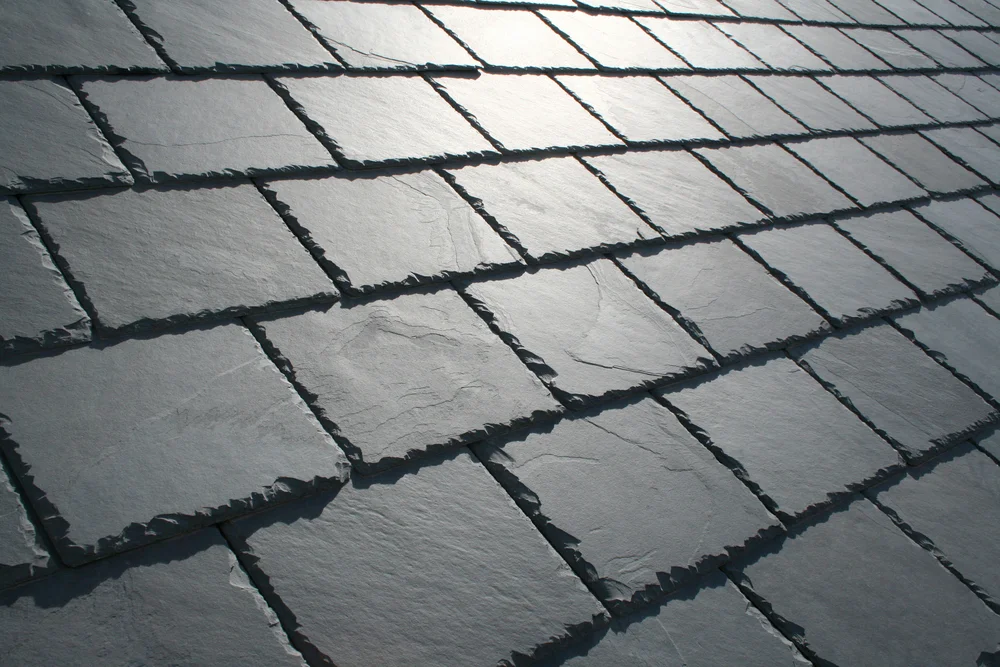
Natural slate is part of the character of many older homes in the region, especially historic properties in places like New Hope. Well-maintained slate can outlast the house around it, but it is heavy, expensive, and needs a roofer who understands how to work with it. Synthetic slate made from rubber or polymer blends offers a similar look at a fraction of the weight.
Best for: historic homes, high-end renovations, and homeowners who want a timeless look.
Trade-offs: natural slate is the most expensive option, and not every roof structure can carry its weight without reinforcement.
Cedar Shakes
Cedar shakes bring a warm, natural look that fits colonials, cottages, and wooded properties. In our humid climate, though, they need regular care to prevent moss, rot, and splitting, especially on roofs that stay shaded most of the day.
Best for: homeowners who love the look and are ready to keep up with maintenance.
Trade-offs: more upkeep, a shorter life in damp or shaded conditions, and fire resistance that depends on treatment.
Membranes for Flat and Low-Slope Roofs
Porches, additions, and rear dormers often have sections too flat for shingles. These areas need a membrane system such as EPDM rubber or TPO that is designed to handle slow drainage and occasional standing water. Putting shingles on a roof that is too flat for them is a common cause of stubborn, recurring leaks.
Roofing Trends Homeowners Are Asking About in 2026
Roofing does not change as fast as fashion, but a few clear trends are shaping the choices homeowners are making right now.
- Storm-ready roofs. More frequent severe weather has pushed impact resistance and higher wind ratings to the top of many wish lists.
- Darker, bolder colors. Charcoal, black, and deep gray shingles paired with lighter siding are a popular way to modernize an older home.
- Mixed materials. Shingles on the main roof with metal accents over porches or entryways add curb appeal without the price of a full metal roof.
- Energy-conscious choices. Lighter or reflective shingle colors and balanced ventilation help keep attics cooler during hot Pennsylvania summers.
- Solar-ready planning. Homeowners thinking about solar panels want a roof that will outlast them, so many are replacing an aging roof before panels go up instead of after.
The Material Matters, but the Installation Matters More
A premium shingle installed poorly will fail before a standard shingle installed the right way. That is why a good roofer looks at the entire roof system and not just the top layer. A well-built roof includes:
- Ice and water barrier along the eaves, in valleys, and around penetrations to stop water pushed up by ice dams and wind.
- Synthetic underlayment across the deck as a second line of defense.
- Proper flashing around chimneys, skylights, walls, and vents, which is where most leaks begin.
- Balanced attic ventilation with intake at the soffits and exhaust at the ridge to protect shingles from heat and help prevent ice dams.
- Drip edge and well-sized gutters that carry water away from the fascia, siding, and foundation.
As a certified Owens Corning roofing installer, RAM Roofing & Exteriors follows manufacturer installation standards so each part of the roof works together the way it was designed to.
Match Your New Roof to the Rest of Your Exterior
Your roof is one of the largest visible surfaces on your home, so it should work with your siding, windows, and doors instead of competing with them. If a roof replacement is on your calendar, it is a smart time to think about the whole exterior.
Pairing a new roof with fresh siding ties everything together. Vinyl siding is low maintenance and comes in colors that complement almost any shingle, while HardiePlank siding offers the look of painted wood with strong resistance to weather, pests, and fire.
Windows and doors are part of the picture too. Replacement windows and vinyl window replacements can seal up drafty openings and improve comfort, and replacement doors finish the look at the entry. Handling these projects with one team also keeps colors, trim, and flashing details consistent from the roofline down.
Repair, Replace, or Upgrade? Start With an Honest Inspection
Not every aging roof needs to come off. Sometimes the real problem is a few damaged shingles, a cracked pipe boot, or loose flashing, and a targeted fix buys years of life. Other times the roof has reached the end of the road and patching it only delays the inevitable.
The only way to know is a close look. RAM Roofing & Exteriors provides complimentary roof inspections with a detailed written estimate, so you can see exactly what we found and why we recommend what we do. If a fix is the right call, we will tell you and take care of the roof repairs. If your roof is ready to go, we will walk you through material options for your roof replacement based on your home, your budget, and how long you plan to stay.
A new roof is a big investment, and you should not have to settle for a lesser material because of timing. Ask about financing options that spread the cost into manageable monthly payments.
When a Storm Makes the Decision for You
Sometimes a roof replacement does not happen on your schedule. One strong storm can peel off shingles, drop a limb through the roof deck, or drive water into your attic overnight. RAM Roofing & Exteriors responds around the clock with emergency home repairs to tarp and secure your home and stop the damage from spreading.
If the damage is covered by your policy, our insurance restoration services help you document what happened and move through the claim process. Since the roof is being replaced anyway, it is also a good moment to ask whether an impact-resistant shingle makes sense for the next one.
Why Homeowners Trust RAM Roofing & Exteriors
From our office in Doylestown, RAM Roofing & Exteriors helps homeowners across Southeast Pennsylvania and New Jersey choose, install, and care for roofs built for our weather. You can learn more about our team and how we work, but here is what you can count on:
- Complimentary roof inspections with detailed written estimates
- Around-the-clock emergency storm damage response
- Honest, repair-focused recommendations with no unnecessary roof replacements
- Fully licensed and insured in Pennsylvania and New Jersey (PA072883 and NJ 13VH11020800)
- A 4.9-star Google rating from 200+ reviews, so you can see what our customers say
- Certified Owens Corning roofing installer backed by manufacturer standards
Frequently Asked Questions About Choosing a Roofing Material
What is the most popular roofing material in Pennsylvania?
Architectural asphalt shingles are the most common choice for homes in Pennsylvania. They offer a strong balance of cost, durability, appearance, and ease of repair, and they perform well through freeze-thaw cycles when installed with proper underlayment and ventilation.
How long does a roof last in Southeast Pennsylvania?
It depends on the material and the installation. Architectural shingles typically last 20 to 30 years, metal roofs often last 40 to 70 years, and natural slate can last 75 years or more. Poor ventilation, heavy shade, and storm damage can shorten the life of any roof.
Is a metal roof worth it for a home in Bucks County?
Metal can be a great investment if you plan to stay in your home for a long time or have low-slope sections that need better drainage. For many homeowners, architectural or impact-resistant shingles deliver better overall value. An inspection helps sort out which option fits your roof structure and budget.
Do impact-resistant shingles lower home insurance costs?
Some insurance carriers offer discounts or credits for Class 4 impact-resistant roofs, but it varies by company and policy. Check with your agent before choosing a material so you know what to expect.
Can a roof be replaced in the winter?
Yes. Roofs can be replaced during cooler months, though shingles need some warmth for their adhesive strips to seal fully, so installers take extra care in cold weather. Milder winter stretches often work well and can offer more scheduling flexibility.
How do I know if my roof needs a repair or a full replacement?
Warning signs include curling or missing shingles, granules collecting in your gutters, daylight showing through the attic boards, water stains on ceilings, and a roof that is 20 or more years old. A professional inspection is the best way to confirm whether a repair will do the job.
Have another question? Browse our roofing FAQ page for more answers.
Find the Right Roofing Material for Your Home
Choosing a roof is a lot easier when someone gives you a straight answer. Whether you live near our Doylestown office or in communities like Blue Bell, RAM Roofing & Exteriors will look at your home, explain your options in plain language, and recommend the material that makes sense for your roof, your budget, and our local weather.
Call or text (215) 315-7700 any time, day or night, or stop by our office at 52 E Oakland Ave Ste 3A, Doylestown, PA 18901 to schedule your complimentary roof inspection and written estimate.