 License:PA072883



3 Sneaky Signs Your Roof Is Leaking
(and What to Do Next)
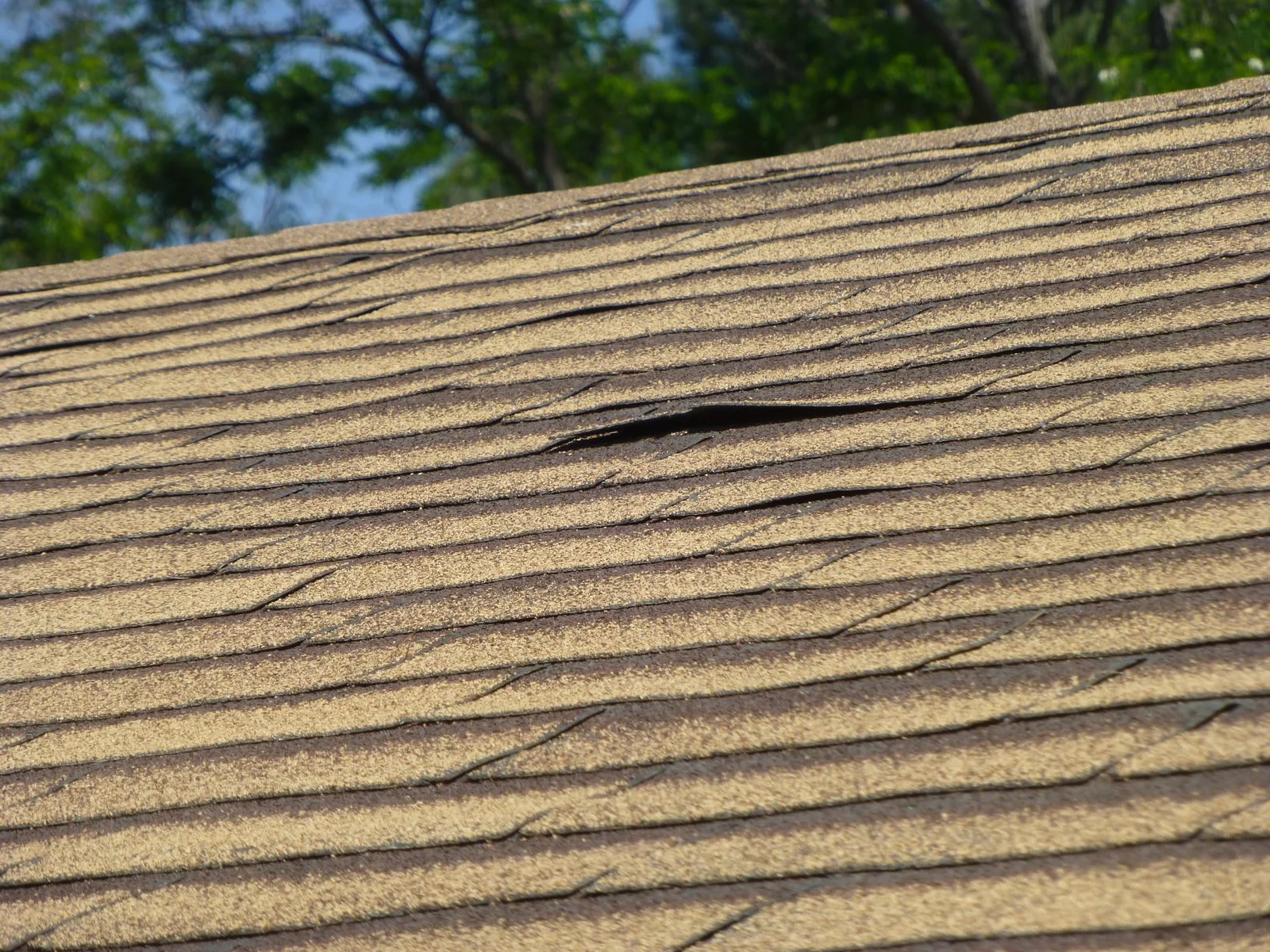
Most people picture a roof leak as water dripping into a bucket in the middle of the living room. By the time it gets to that point, though, the leak has usually been working for weeks or months. Water is patient. It slips under a lifted shingle or past a cracked seal, runs along the decking and rafters, and soaks into insulation long before it ever shows up on a ceiling.
With fall rain here and winter freeze-thaw cycles right behind it, now is the time to catch small leaks before they turn into big ones. At RAM Roofing & Exteriors, we trace leaks for homeowners across southeastern Pennsylvania and western New Jersey every week. These are the three sneaky signs we see homeowners miss most often, plus what to do if you spot one.
Why Roof Leaks Are So Easy to Miss
Water rarely comes through the ceiling directly below the spot where it gets in. It can travel several feet along a rafter or the underside of the roof deck before it finds a low point to drip from. That is why a stain near an exterior wall can come from a problem at the chimney, or why a leak can hide in an attic for an entire season before anyone notices.
Small leaks also tend to show up only in certain conditions. A wind-driven rain from one direction, a heavy downpour, or snow melting on a sunny afternoon can all expose a weak spot that stays dry the rest of the time.
Sign #1: Clues Hiding in Your Attic
Your attic is the first place a leak shows itself, and it is the place most homeowners check the least. Grab a flashlight and take a look after a heavy rain. You're looking for:
- Dark stains, water rings, or dark patches on the underside of the roof sheathing
- Damp, matted, or discolored insulation
- Rusty nail tips poking through the roof deck
- Mildew spots or a musty smell that wasn't there before
- Pinpoints of daylight coming through the boards
Winter Attic Frost Can Look Like a Leak
In cold months, you might find frost on the nail tips or the sheathing that melts and drips on warmer days. That moisture is often condensation from warm, humid air rising into the attic rather than a hole in the roof. It still needs attention, because it can rot the deck just like a leak can, and a roof inspection helps tell the two apart.
Sign #2: Subtle Changes Inside Your Home
Before a ceiling stain appears, a leak often leaves quieter hints in the rooms below. These are easy to write off as normal wear:
Bubbling or Peeling Paint
Paint that bubbles, blisters, or peels on upper-floor ceilings or along the top of exterior walls can mean moisture is getting behind it. Pay close attention near chimneys, skylights, and bathroom exhaust fans, since those are common leak points.
Faint Ceiling Spots and Drywall Changes
Light yellow or brown spots, hairline cracks, or drywall that looks slightly swollen or soft to the touch are early signs of water. A small spot that grows after each storm is a leak, not an old stain.
Water Around Windows and Doors Upstairs
Water that shows up around an upstairs window frame is not always a window problem. It can be coming from the roof or roof-to-wall flashing above it and running down inside the wall. We check the roof first, then recommend window repairs only if the window itself is part of the problem.
Higher Energy Bills
If your heating or cooling costs creep up without explanation, wet insulation could be part of the reason. Insulation that has soaked up water loses much of its ability to hold heat in during winter and keep it out during summer, so your system works harder to keep up.
Sign #3: Warning Signs on the Outside of Your House
You don't need to climb a ladder to spot trouble. Walking around your house with a pair of binoculars can tell you a lot.
Shingle Granules in the Gutters
Asphalt shingles are coated with granules that protect them from the sun. When you see piles of those gritty granules in your gutters or at the end of your downspouts, the shingles are wearing thin and becoming more vulnerable to water.
Missing, Curled, or Cracked Shingles
Look for gaps, shingles with edges curling up, or shingles that have creased from high winds. Even one missing shingle after a storm can let water reach the decking underneath.
Damaged Flashing and Vent Boots
Metal flashing around chimneys, walls, and skylights, along with the rubber boots around plumbing vents, is where most leaks start. Bent, lifted, rusted, or cracked pieces are a red flag.
Stains and Rot on Siding and Trim
Streaks on the siding below a roofline, peeling paint on fascia boards, or soft wood along the eaves usually mean water is overflowing the gutters or getting past the roof edge. If boards are rotting, the fix may involve the roof edge, the gutters, and the siding together.
A Sagging Roofline
A roofline that dips or looks wavy can point to wet, weakened decking or framing underneath. This one is serious. If you see a sag, call for an inspection right away rather than waiting for the next storm.
Does a Green or Streaked Roof Mean It's Leaking?
Not usually, and this is one of the most common mix-ups we hear. The dark streaks you see on many roofs in our area are typically algae. It's mostly a cosmetic issue and doesn't mean water is getting in. Moss is a different story. Thick, spongy moss holds moisture against the shingles and can lift them over time, which opens a path for water. If you see moss building up in shaded areas, it's worth having the roof checked.
What to Do If You Think Your Roof Is Leaking
If you've spotted one of these signs, a few quick steps can limit the damage while you get help:
- Move furniture, electronics, and valuables away from the wet area
- Catch any dripping water with a bucket or container and lay down towels
- Take photos of the ceiling, attic, and any visible exterior damage with the date
- Stay off the roof, especially when it's wet, icy, or windy
- Call a roofing contractor to find the source, not just the symptom
When It Can't Wait
Active leaks during a storm, fallen limbs, or large sections of missing shingles need fast action. RAM Roofing & Exteriors offers around-the-clock emergency home repairs, including tarping and temporary protection, so water stops getting in until permanent repairs can be made.
When Storm Damage Is Involved
If the leak started after hail or a windstorm, your homeowners insurance may cover some or all of the repair. Our insurance restoration team helps homeowners document storm damage and work through the claims process.
Repair or Replace? An Honest Answer
Finding a leak does not automatically mean you need a new roof. In many cases, the problem is a single failed vent boot, a section of loose flashing, or a few damaged shingles, and targeted roof repairs fix it for a fraction of the cost of replacement.
Replacement makes sense when the roof is near the end of its life, leaks are showing up in multiple places, or the decking underneath has widespread damage. If that's where things stand, we'll walk you through a roof replacement estimate in plain language, and our financing options can help make a bigger project manageable.
Roof Leak Help Across Southeastern Pennsylvania
From stone homes with tricky chimney flashing to newer developments with complex rooflines, every neighborhood has its own leak patterns. We regularly help homeowners track down leaks in Richboro, Cheltenham, Havertown, and Phoenixville, along with communities throughout Delaware County and Chester County.
Why Homeowners Call RAM Roofing & Exteriors
A leak is stressful enough without worrying whether you're being upsold. Here's what you can expect from our team:
- Complimentary roof inspections with detailed written estimates
- Around-the-clock emergency storm damage response
- Honest, repair-focused recommendations with no unnecessary roof replacements
- Fully licensed and insured in Pennsylvania and New Jersey (PA072883 • NJ 13VH11020800)
- Trusted by homeowners with a 4.9-star Google rating from 200+ reviews, which you can read on our testimonials page
- Certified Owens Corning roofing installer backed by manufacturer standards
Want to know more about who we are and how we work? Visit our about us page.
Roof Leak FAQs
How can I tell if my roof is leaking without going on the roof?
Start in the attic after a heavy rain and look for stains, damp insulation, or rusty nails. Inside, watch for bubbling paint and faint ceiling spots. Outside, look for granules in the gutters, missing shingles, and stained siding or trim below the roofline.
Can a roof leak without any visible water inside?
Yes. Water can soak into the decking, framing, and insulation for a long time before it ever reaches a ceiling. That's why attic checks and regular roof inspections matter.
Why does my roof only leak during certain storms?
Some leaks only show up with wind-driven rain from one direction, very heavy downpours, or melting snow and ice. A weak spot in the flashing or shingles may stay dry the rest of the time.
Is a small leak really a big deal?
It can be. Small leaks feed rot, mold, and damaged insulation over time. Fixing one early is almost always faster and cheaper than dealing with the damage later.
Does a leak mean I need a new roof?
Not necessarily. Many leaks come from a single problem area and can be repaired. We'll tell you honestly whether a repair will do the job or whether replacement makes more sense.
How often should I have my roof checked?
Every year or two and after any major storm is a good rule of thumb. For answers to other common questions, check out our FAQ page.
Schedule a Roof Leak Inspection
If any of these sneaky signs sound familiar, don't wait for the next storm to find out how bad it is. Schedule a complimentary roof inspection with RAM Roofing & Exteriors and get a detailed written estimate with a clear plan to stop the leak.
Call or text 24/7: (215) 315-7700
Request an inspection online: Contact Us
Office: 52 E Oakland Ave Ste 3A, Doylestown, PA 18901