 License:PA072883


Can a Poorly Installed Roof Be Repaired?
A leaky roof is every homeowner's nightmare. It can cause serious interior damage and lead to expensive repairs if not addressed quickly.
If you're dealing with a poorly installed roof, you may be wondering:
Can it be repaired, or does it require full replacement?
The answer depends on the extent of the problem. Below, we'll break down the warning signs of bad installation, when repairs are possible, and when replacement makes more sense.
If you suspect installation issues, scheduling a professional roof inspection is the best first step.
Signs of a Poorly Installed Roof
Installation mistakes can create long-term problems. Identifying issues early can help prevent structural damage.
Visual Warning Signs
Some red flags are visible from the ground or attic:
Curved or Sagging Rooflines
Rooflines should appear straight and uniform. Dips or curves may signal framing or decking issues.
Shingle Problems
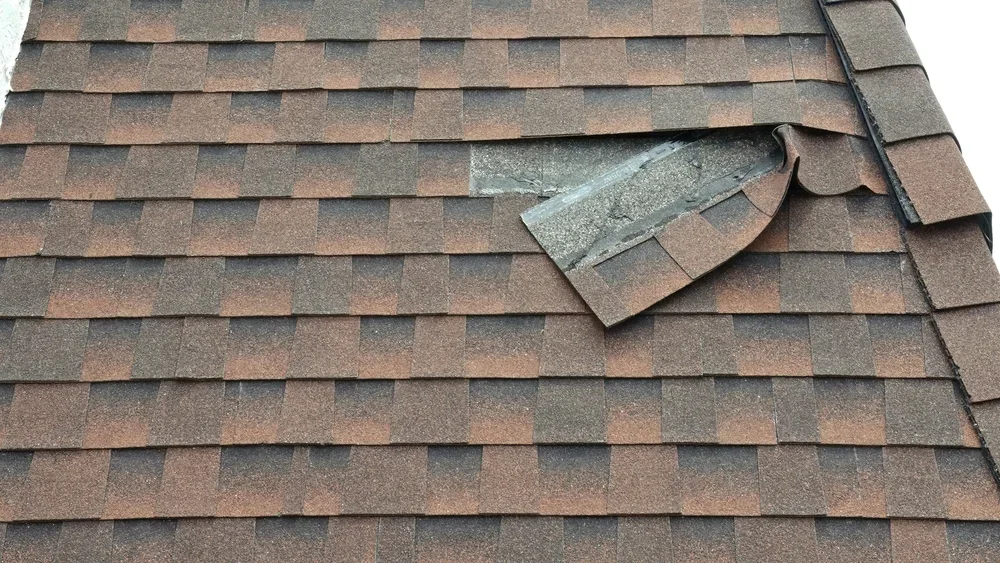
Misaligned, lifted, or missing shingles are strong indicators of improper installation. Different-colored shingles may suggest shortcuts were taken during the project.
Water Stains and Interior Leaks
Stains on ceilings or walls often indicate flashing failures or improperly sealed areas.
Missing Drip Edge
A drip edge directs water away from fascia and foundation areas. Without it, moisture can cause rot, mold, or structural deterioration.
Structural Installation Issues
Some problems aren't immediately visible but can significantly impact performance:
Incorrect Nailing
Improper nail placement or the wrong fasteners can cause shingles to loosen, blow off, or leak.
Missing or Improper Underlayment
Underlayment is the waterproof barrier beneath shingles. If installed incorrectly — or omitted — the roof's lifespan is reduced.
Inadequate Ventilation
Poor ventilation traps heat and moisture in the attic, leading to premature shingle deterioration and potential mold growth. Professional insulation and ventilation services can help correct these issues.
Can a Poorly Installed Roof Be Repaired?
Yes — in many cases.
Minor problems such as:
- A small flashing failure
- A limited section of damaged shingles
- Localized underlayment issues
can often be corrected through targeted roof repairs.
However, if the issues are widespread — such as improper nailing throughout the roof, missing underlayment across large areas, or compromised decking — a full roof replacement may be the more reliable long-term solution.
When to Repair vs. Replace
Deciding between repair and replacement depends on several factors.
Roof Age
If the roof is relatively new and installation errors are isolated, repairs may be sufficient.
If the roof is already aging and nearing the end of its lifespan, investing in replacement may prevent recurring problems.
Extent of Damage
Is the issue confined to one area — or spread across multiple roofing components?
If flashing, shingles, underlayment, and ventilation all require correction, replacement may be more practical and cost-effective.
Long-Term Cost Considerations
While repairs may seem less expensive upfront, repeated fixes can add up quickly.
Sometimes addressing the issue fully — even if it requires replacement — prevents ongoing repair expenses and structural risks.
Hiring the Right Roofing Contractor
Whether you need repairs or replacement, choosing the right contractor makes all the difference.
Look for Proven Experience
Work with a roofing company experienced in:
- Various roofing materials
- Proper installation techniques
- Building code compliance
- Full exterior protection systems
An experienced contractor should also understand how roofing connects to other exterior components such as gutters, siding, and windows.
Request Detailed Estimates
Always request written estimates outlining:
- Scope of work
- Materials used
- Timeline
- Warranty coverage
Clear documentation protects both you and the contractor.
Prioritize Communication
Choose a contractor who:
- Clearly explains the problem
- Provides realistic solutions
- Communicates consistently
- Answers your questions thoroughly
Strong communication reduces misunderstandings and ensures smoother project execution.
Final Thoughts
A poorly installed roof can be stressful — but it doesn't always mean full replacement is required.
Minor installation errors can often be corrected through professional repairs. However, widespread structural mistakes may require replacement to restore the integrity of your home.
If you're unsure about the condition of your roof, a professional evaluation from an experienced company like RAM Roofing & Exteriors can help determine the most effective and cost-efficient solution.
Addressing installation issues early protects your home, prevents water damage, and ensures your roofing system performs as it should for years to come.