 License:PA072883


Home Exteriors: How to Improve
Your Home's Insulation
From the Outside In
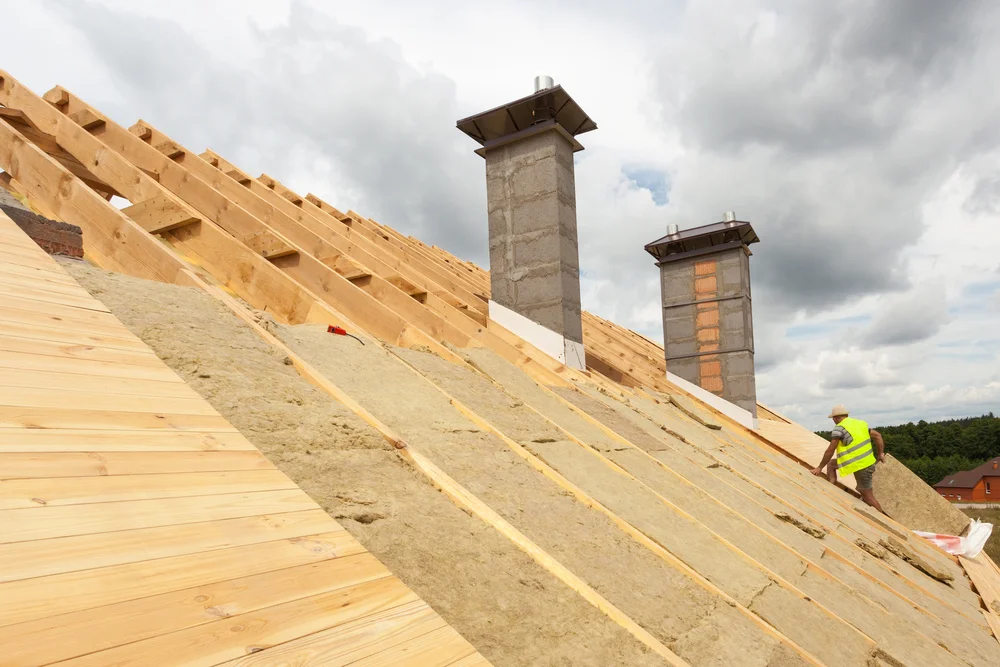
When a house feels drafty in January, most people think about the attic first. But a lot of the cold air, lost heat, and wasted energy in a typical Pennsylvania home has nothing to do with what's in the attic. It's slipping through old windows, worn-out door seals, gaps in the siding, and damp spots where the roof or gutters are letting water in.
Your home's exterior is its first line of defense. Insulation can only do its job when the shell around it is tight and dry. If cold air is pouring in around a window frame, or water is soaking the walls behind failing siding, even a well-insulated house will feel uncomfortable and cost more to heat.
With heating season starting, here's how to improve your home's comfort and efficiency from the outside in, and where it makes the most sense to start.
Why the Exterior Matters as Much as the Insulation
Think of your home like a winter coat. The insulation is the warm lining. The exterior is the outer shell that blocks wind and keeps the lining dry. A thick lining doesn't help much if the zipper is broken and the shell is soaked.
Your home works the same way:
- Air leaks around windows, doors, and gaps in the exterior let heated air escape and cold air in, no matter how much insulation is behind the walls.
- Moisture from roof leaks, failed siding, or overflowing gutters can soak building materials, and wet materials don't hold heat the way dry ones do.
- Old glass lets far more heat move through it than modern energy-efficient glass.
Fixing the shell is often the fastest way to feel a difference in comfort.
1. Replace or Repair Drafty Windows
Windows are usually the biggest weak spot in a home's exterior. According to the U.S. Department of Energy, heat gain and loss through windows accounts for roughly 25 to 30 percent of residential heating and cooling energy use.
Signs Your Windows Are Costing You
- You feel moving air near a closed, locked window
- Fog or moisture is trapped between the panes
- Frost or condensation forms at the edges of the glass in winter
- Sashes rattle, stick, or won't lock tightly
- Rooms with the most windows are always the coldest
What Modern Windows Do Differently
Today's replacement windows are built to stop heat from escaping in several ways:
- Low-E coatings, a thin, invisible layer that reflects heat back toward its source
- Gas fills between the panes that slow heat transfer far better than air
- Warm-edge spacers that cut heat loss at the edge of the glass, where condensation and frost show up first on older windows
- Sealed frames that close the small air leaks older sashes develop as they wear and shift
Double-pane Low-E glass with argon is our standard, and every window we install carries an NFRC performance label. When you compare windows, look at the U-factor, which tells you how much heat escapes through the whole window (lower is better), and the air leakage rating, which shows how tight the unit really is.
Vinyl is the most popular frame choice in our area because it's low maintenance and offers an excellent cost-to-performance ratio. Learn more about our vinyl window replacements.
When a Repair Is Enough
Not every drafty window needs replacing. If the frame is solid, worn weatherstripping, failed seals, foggy glass, and broken hardware can often be fixed for a fraction of the cost. Our window repairs team will tell you plainly whether a repair or a replacement makes more sense.
2. Upgrade Old Exterior Doors
Doors are another common source of drafts. Over time, weatherstripping flattens, thresholds wear down, and frames shift, leaving gaps you can sometimes see daylight through.
Quick Door Checks
- Look for daylight around the edges or under the door when it's closed
- Feel for cold air along the frame on a windy day
- Check whether the weatherstripping is cracked, flattened, or missing
- Notice whether the door has to be slammed to latch
New weatherstripping and a door sweep can help an older door that's otherwise in good shape. But if the door is warped, the frame is rotting, or the sill is soft, replacement is the better long-term fix.
What a New Door Brings
Our replacement doors are built to seal tightly:
- Entry doors with insulated cores, compression weatherstripping, and adjustable thresholds
- Patio doors with double- or triple-pane Low-E glass that lets daylight in while holding back heat
- Fiberglass doors, the most popular choice for exposed entries, with good thermal performance and no rot or rust
Installation matters just as much as the door. We check and repair the subfloor, sill, and framing for rot, install a sill pan and flashing tape to drain water away from the wall, and set the door plumb, level, and square so it seals the way it was designed to. Most entry door replacements are finished in 3 to 5 hours.
3. Keep Water Out of Your Walls With Quality Siding
Siding is your home's raincoat. When it's cracked, warped, or loose, wind and water can get behind it. Over time, that moisture can rot the sheathing and leave the materials inside your walls damp, which makes the whole house harder to keep warm and dry.
Signs Your Siding Is Letting the Weather In
- Warped, buckled, or loose panels
- Cracks or gaps, especially after a windstorm
- Soft spots or rot near the bottom of walls or around windows
- Peeling paint on interior walls along exterior sides of the house
- Mold or mildew that keeps coming back in the same spots
A quality siding installation does more than look good. Before new siding goes on, we inspect the sheathing for rot, replace any damaged sections, and install high-quality house wrap to keep water out of the walls. Openings around windows and doors get flashed properly so they stay sealed for years.
If you're choosing a material, HardiePlank siding is roughly five times thicker than standard vinyl and resists rot, pests, and impact damage, while quality vinyl offers excellent value and low maintenance.
4. Make Sure the Roof Is Keeping Water Out
A roof leak doesn't just stain your ceiling. Water that gets past the shingles can soak the roof decking and the attic below it, and damp materials don't hold heat well.
Watch for these warning signs:
- Water stains on ceilings, especially near exterior walls
- Damp spots or staining on the underside of the roof deck in the attic
- Daylight visible through the roof boards
- Large icicles and ice ridges along the roof edge in winter
That last one is worth paying attention to. Ice dams form when heat escaping from the living space warms the roof deck and melts snow unevenly. They're a sign that heat is getting out, and they can push water under your shingles. Our post on the signs and solutions to ice damming explains more.
A complimentary roof inspection checks your shingles, flashing, decking, and gutters, and looks at the attic where accessible for signs of leaks. If we find damage, a targeted roof repair can seal it up before winter.
5. Don't Overlook the Gutters
Gutters are easy to forget, but they play a big role in keeping your home dry. When they're clogged, sagging, or pulling away from the house, water spills over the edge, soaks the fascia, runs down the siding, and pools near the foundation. In winter, it freezes along the roof edge and adds to ice dams.
Seamless gutters with proper pitch and heavy-duty hidden hangers keep water moving away from your home, even under the weight of snow and ice.
Where Should You Start?
If you can't do everything at once, here's a practical order to think about:
- Fix anything letting water in. Roof leaks, failing siding, and overflowing gutters cause damage that gets worse every month.
- Address the worst drafts. Start with the windows and doors in the rooms you use most or that feel coldest.
- Plan bigger upgrades together. Replacing siding and windows at the same time lets every opening be flashed and sealed properly while the walls are open.
A walk-through of your exterior is the easiest way to figure out what will make the biggest difference for your home and budget.
What About Rebates and Tax Credits?
The federal tax credit that covered qualifying windows ended for improvements placed in service after December 31, 2025. It's still worth checking with your utility company and with Pennsylvania or New Jersey programs for any current rebates before you start a project.
If you'd rather not pay for everything upfront, our financing options let qualified homeowners spread the cost over time.
Why Homeowners Trust RAM Roofing & Exteriors
Our roots go back to the early 1990s, when our founder started out as a carpenter. Today, our crews focus on the outside of your home: roofing, siding, windows, doors, and gutters. That means we can look at your whole exterior, not just one piece of it.
- Honest, repair-focused recommendations, with no unnecessary replacements
- Complimentary roof inspections with detailed written estimates
- Fully licensed and insured in Pennsylvania and New Jersey (PA072883 and NJ 13VH11020800)
- Certified Owens Corning Preferred Contractor backed by manufacturer standards
- Around-the-clock emergency storm damage response
- A 4.9-star Google rating from 200+ reviews. See what homeowners say on our testimonials page.
Exterior Upgrades Across Bucks, Montgomery, and Chester County
From our office at 52 E Oakland Ave Ste 3A, in Doylestown, we help homeowners tighten up their exteriors throughout the region. That includes homes in Lansdale, Elkins Park, and Downingtown, where older homes with original windows and aging siding often have the most to gain.
Get a Warmer, Drier Home This Winter
You don't have to guess where your home is losing heat. Schedule a free consultation with RAM Roofing & Exteriors, and we'll look at your roof, windows, doors, siding, and gutters and give you a clear written estimate for anything that needs attention. Have questions first? Visit our FAQ.
Call (215) 315-7700 or stop by our Doylestown office.