 License:PA072883


Steel Roofing vs. Shingles:
Which Roofing Offers
the Most Benefit?
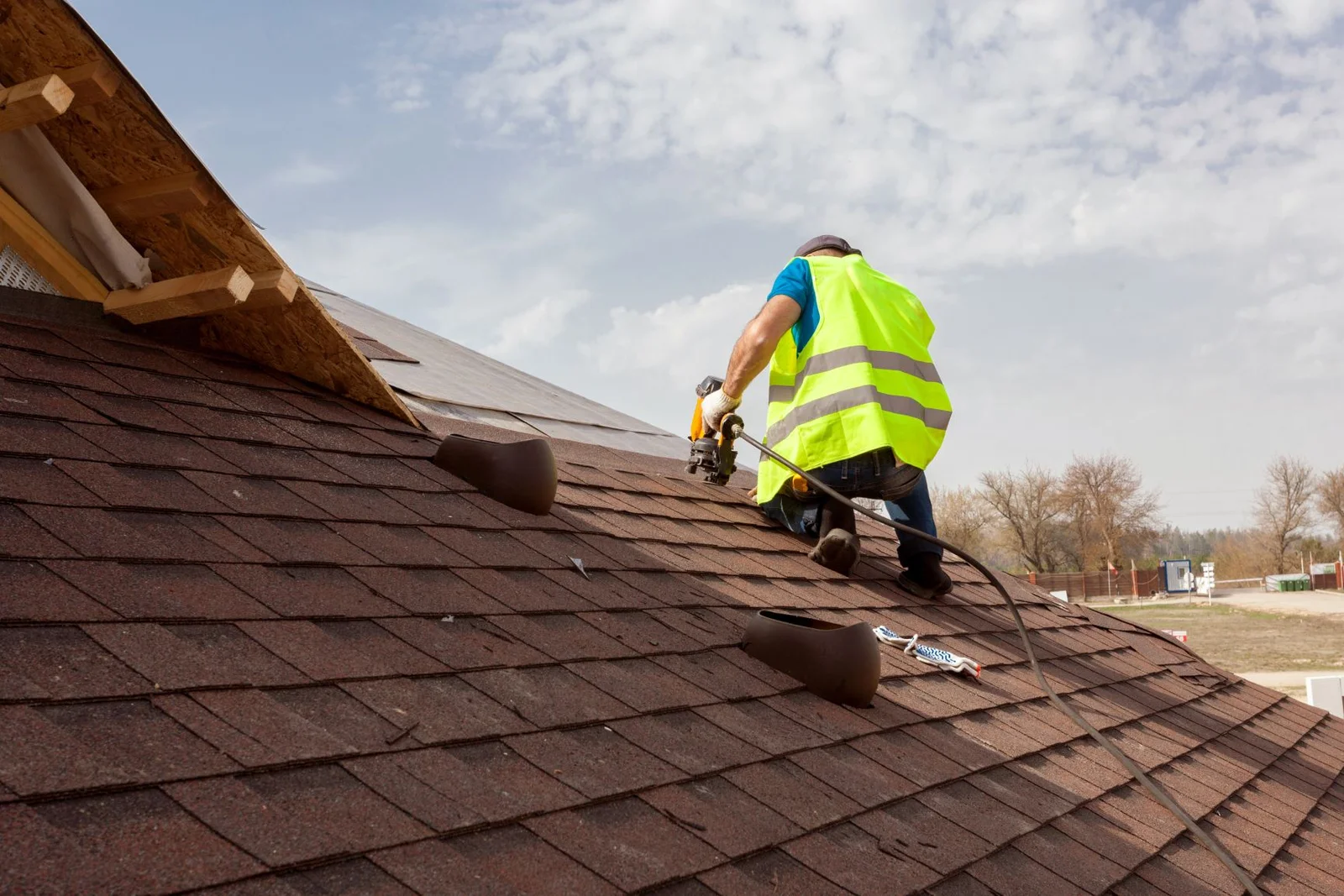
Every time a big storm rolls through southeastern Pennsylvania, we get the same question: "Should I just go with a metal roof this time?" It's a fair question. Steel roofs last a long time, shrug off wind, and shed snow. But they also cost a lot more upfront, and for many homes, a quality shingle roof is the smarter investment.
There's no single right answer. The best choice depends on your home, your budget, how long you plan to stay, and how you want your house to look. This guide compares steel roofing and asphalt shingles side by side so you can decide with real numbers and realistic expectations.
The Short Answer
- Choose architectural shingles if you want the best value, a classic look, easy repairs, and a roof that should last 25 to 30 years in our climate.
- Choose steel if you plan to stay in your home for decades, want the longest possible lifespan, and are comfortable paying significantly more upfront.
- Consider both if most of your roof suits shingles but you have a low-slope porch, addition, or accent area where metal performs better.
Now let's look at why.
What Is Steel Roofing?
Residential steel roofing is made from coated steel panels designed to resist rust and weather. There are a few common types.
Standing Seam Metal
Standing seam is the premium option. Long vertical panels run from the ridge to the eaves, and the seams between them are raised and locked together. The fasteners are hidden under the panels, so there are no exposed screws to wear out or leak. It's the clean, modern look you see on farmhouses and contemporary homes.
Exposed-Fastener Metal Panels
These panels are screwed directly through the face of the metal. They cost less than standing seam, but the screws and their rubber washers are exposed to the weather and need to be checked and maintained over time. They're more common on barns, sheds, and outbuildings than on homes.
Metal Shingle Profiles
Some metal products are shaped to look like shingles, slate, or shakes. They give you metal's durability with a more traditional appearance.
What Are Architectural Shingles?
Architectural shingles are the most common roof on homes in Bucks and Montgomery County, and for good reason. They're built from multiple bonded layers instead of a single flat mat, which gives them more depth, better wind performance, and a longer life than the old flat three-tab shingles, which are now essentially obsolete for residential work.
A roof replacement using quality architectural shingles is the most common project we complete at RAM Roofing & Exteriors. As a certified Owens Corning Preferred Contractor, we install a full lineup of shingles, including high-wind, cool roof, and impact-resistant options.
Steel vs. Shingles: Side-by-Side Comparison
Upfront Cost
This is the biggest difference. For a typical 1,500 to 2,000 square foot home in our area, an architectural shingle roof generally runs about $8,000 to $16,000. Standing seam metal on the same home usually runs $25,000 to $40,000. Your exact price depends on roof size, pitch, complexity, and how many layers need to come off.
Lifespan
Architectural shingles typically last 25 to 30 years here when installed and maintained properly. Metal roofs commonly last 40 to 70 years, and a well-installed standing seam roof can come close to being a lifetime roof. If you plan to stay in your home for 30 years or more, that difference matters.
Wind Performance
Both perform well when installed correctly. Architectural shingles commonly carry wind ratings of 110 to 130 mph when installed to manufacturer specification, and some systems can reach higher ratings when the manufacturer's component requirements are met. Steel resists wind exceptionally well, especially standing seam with concealed fasteners.
Hail
Here the answer is more nuanced. Hail can dent steel. Usually the dents are cosmetic and the roof keeps doing its job, but dents can bother homeowners, and some insurance policies limit coverage for cosmetic damage on metal roofs. Standard shingles can bruise or crack under hail. If hail is your biggest concern, impact-resistant shingles with a Class 4 rating under UL 2218, the highest impact classification available, are worth a serious look. Some insurers offer premium discounts for Class 4 roofs, so ask your agent.
Snow and Ice
Metal sheds snow and ice instead of holding it. That's great for reducing weight on the roof and limiting ice dams at the eaves. But it means snow can slide off all at once, so snow guards above walkways, entries, decks, and gutters are often a smart addition. Shingles hold snow longer, so ice-and-water shield at the eaves and valleys does a lot of the work of protecting against ice dams. Every shingle roof we install includes it.
Noise
Many people assume a metal roof sounds like rain on a tin shed. On a home, steel is typically installed over solid roof decking and underlayment, which makes it far quieter than most people expect. You may notice heavy rain or hail a little more than with shingles, but for most homeowners it isn't a deal breaker.
Maintenance and Repairs
Shingles are easy to repair. If a storm blows off a few shingles or a pipe boot cracks, a targeted roof repair is usually quick and affordable. Steel needs very little routine maintenance, but when a repair is needed, it can be more involved because the panels interlock and are custom-cut for your roof.
Curb Appeal
Shingles offer a classic look and a wide range of colors that suit Colonials, Cape Cods, and traditional homes. A dark architectural shingle in a weathered wood or slate tone tends to look right on older homes. Steel offers a crisp, modern style that fits farmhouses, contemporary homes, and accent areas like porches and bay windows.
Energy and Heat
Lighter-colored and reflective roofs can help reduce heat buildup in summer. Metal naturally reflects solar heat well, and cool roof shingle options are also available if you prefer shingles.
When Steel Roofing Makes the Most Sense
- You plan to stay in your home for decades
- Your roof has low-slope sections, porch roofs, or additions where asphalt shingles struggle
- You want a modern farmhouse or contemporary look
- You're comfortable with a higher upfront investment for a much longer lifespan
- You want a roof that sheds snow quickly
When Shingles Make the Most Sense
- You want the best value for your budget
- You may sell in the next 10 to 15 years
- You want a traditional look that fits your neighborhood
- You want easy, affordable repairs if something gets damaged
- You want a strong manufacturer warranty, which certified installers can extend well beyond standard coverage
The Best of Both: Mixed Roofs
You don't have to choose just one. A common approach is an architectural shingle roof on the main house with standing seam metal on a front porch, bay window, or low-slope addition. It looks great, puts metal where it performs best, and keeps the overall project within budget. If you're planning a full roof replacement, ask us whether a mixed approach makes sense for your home.
Installation Matters Even More With Metal
A metal roof is only as good as its installer. Steel expands and contracts with temperature changes, so panels must be fastened to allow movement. Flashing details around chimneys, skylights, and walls have to be done precisely. Done wrong, a metal roof leaks at the seams. Done right, it's close to a lifetime roof.
The same is true for shingles. We install architectural shingles to the manufacturer's nailing pattern, because that's what keeps the wind warranty valid. Whatever material you choose, the installation is what decides how well it performs.
Don't Forget the Gutters
Snow and ice slide off metal roofs much faster than shingles, and that can put real strain on gutters. Our gutter installations use heavy-duty hidden hangers that resist sagging under snow and ice, and we can talk through snow guards if you're going with metal.
Storm Damage and Insurance
If a storm damaged your roof and you're filing a claim, this is a natural time to think about which material you want going forward. Our insurance restoration team documents damage with photos and works with your adjuster. Keep in mind that insurance usually pays to restore what you had, so upgrading to a different material may involve some out-of-pocket cost. And if your roof is leaking right now, we offer around-the-clock emergency home repairs, including tarping to stop water intrusion.
Do You Need a New Roof at All?
Before you compare materials, make sure you actually need a replacement. Many roofs with isolated damage have years of life left. We give honest, repair-focused recommendations and won't sell a replacement to a home that needs a repair. A complimentary roof inspection gives you labeled photos, a clear picture of your roof's remaining life, and a written estimate.
Paying for Your New Roof
Whether you choose shingles or steel, a new roof is a big investment. Our financing options let qualified homeowners spread payments out over time. If you're comparing quotes, our post on why roofing quotes vary so much explains what to look for line by line.
Why Homeowners Choose RAM Roofing & Exteriors
We've been working on homes in this area since the early 1990s. Homeowners trust us because we help them choose the right roof for their home, not the most expensive one.
- Certified Owens Corning Preferred Contractor backed by manufacturer standards
- Complimentary roof inspections with detailed written estimates
- Honest, repair-focused recommendations, with no unnecessary roof replacements
- Around-the-clock emergency storm damage response
- Fully licensed and insured in Pennsylvania and New Jersey (PA072883 and NJ 13VH11020800)
- A 4.9-star Google rating from 200+ reviews. See what homeowners say on our testimonials page.
Shingle and Metal Roofing Across Bucks, Montgomery, and Chester County
From our office in Doylestown, we install shingle and metal roofs throughout the region. That includes homeowners in Quakertown, Hilltown, Newtown, and Wayne. From farmhouses with porch roofs that are perfect for standing seam to classic Colonials that look best in architectural shingles, we'll help you find the right fit.
Still Deciding? Let's Look at Your Roof Together
The right roof depends on your home, not on a sales pitch. Schedule a complimentary inspection with RAM Roofing & Exteriors, and we'll walk you through shingle and metal options, the cost of each, and which one makes the most sense for how long you plan to stay. Have more questions first? Check our FAQ.
Call (215) 315-7700 or visit our office at 52 E Oakland Ave Ste 3A, in Doylestown.