 License:PA072883



What to Do If Your Roof Is Leaking:
A Step-by-Step Guide
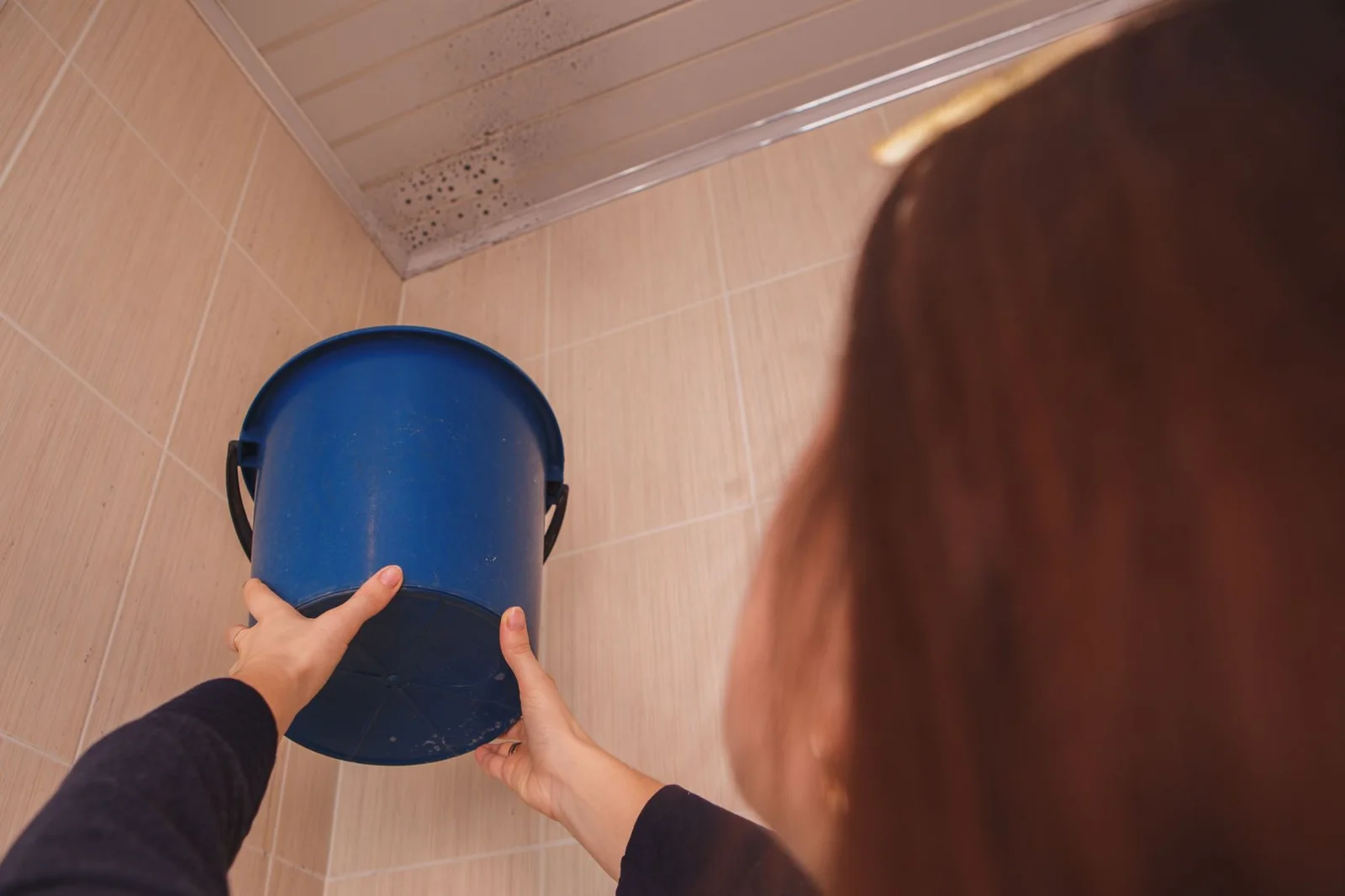
It usually happens at the worst possible time. A storm rolls through overnight, and in the morning there's a brown stain on the ceiling, or you hear a steady drip somewhere you've never heard one before. Your first instinct might be to panic. Your second might be to grab a ladder. Neither is the right move.
A roof leak is stressful, but what you do in the first hour makes a big difference in how much damage you end up with. With fall storms here and freeze-thaw season right behind them, this is a common time of year for leaks to show up across southeastern Pennsylvania. This guide walks you through exactly what to do, what not to do, and how to get the leak fixed for good.
First, Make Sure Everyone Is Safe
Before you worry about the carpet or the ceiling, check for hazards.
- Watch for water near electricity. If water is dripping near light fixtures, outlets, ceiling fans, or your electrical panel, stay away from it. Turn off power to that area at the breaker panel if you can do it safely. Our post on leaky roof electrical problems covers the warning signs in more detail.
- Stay out from under sagging ceilings. A ceiling that's bulging with trapped water can give way.
- Don't climb on the roof. A wet roof is slippery, and storm damage can hide weak spots in the decking. Leave the roof to professionals, especially during wind or rain.
- If a tree has hit the house, get everyone out of that area first, and call your utility company if any power lines are involved.
Step 1: Contain the Water
Once you know it's safe, slow down the damage.
- Put buckets, pots, or storage bins under every drip.
- Lay old towels around the buckets to catch splashes.
- If water is running down a wall, use towels at the base to keep it from spreading across the floor.
- A small piece of wood or a sponge in the bottom of the bucket helps cut down on splashing during long drips.
Step 2: Move Electronics, Furniture, and Valuables
Get anything that can be ruined out of the way. Unplug and move electronics, slide furniture out of the drip zone, and roll up rugs. If something is too heavy to move, cover it with a plastic sheet or a tarp. Photos, documents, and keepsakes should go to a dry room right away.
Step 3: Handle a Bulging Ceiling Carefully
If you see a bubble or bulge in your ceiling, water is pooling above the drywall. Left alone, it can keep spreading or eventually collapse under the weight.
If the bulge is not near a light fixture or any wiring, you can relieve the pressure in a controlled way. Put a bucket directly underneath, stand to the side, and poke a small hole at the lowest point of the bulge with a screwdriver. Let the water drain into the bucket.
If the bulge is near a fixture, is very large, or the ceiling is visibly sagging, don't touch it. Keep everyone out of the room and call for help.
Step 4: Document Everything
Before you clean up, take photos and video of:
- The ceiling stains, drips, and any bulging
- Wet floors, furniture, and belongings
- Any damage you can see outside from the ground, like missing shingles or fallen branches
- The date and time you first noticed the leak
Good documentation helps a lot if your leak was caused by a storm and you end up filing an insurance claim. It also helps your roofer find the problem faster.
Step 5: Look for the Source From Inside
If you have an attic you can get into safely, grab a flashlight and take a look. You're looking for wet spots on the underside of the roof deck, water trails along the rafters, or daylight coming through.
Here's something most homeowners don't realize: the spot where water drips into your room is often not where it's getting into the roof. Water can enter at a chimney or vent and travel several feet along rafters or the top of the drywall before it finds a place to drip. That's why a professional inspection matters. Don't step between the joists in an unfinished attic. Stay on the framing or on a solid walkway.
Step 6: Call for Emergency Help
If water is actively coming in, you need temporary protection until a permanent repair can be made. RAM Roofing & Exteriors offers around-the-clock emergency home repairs, and for active leaks we aim for a same-day response. That can include:
- Temporary roof tarping to create a waterproof barrier during active rain
- Leak containment to find the entry point and seal it with emergency-grade materials
- Securing lifted shingles so wind can't keep peeling the roof back
- Board-ups for windows broken in the same storm
- Debris removal when branches or materials create a safety risk
One honest note: permanent roof repairs can't be done safely in high winds or heavy rain. During a storm, the goal is to stop the water. The lasting fix comes once the weather clears.
You can call or text us at (215) 315-7700, any time of day or night.
Step 7: Contact Your Insurance Company if It's Storm Damage
If wind, hail, or a fallen tree caused the leak, call your insurer and start a claim. Most policies expect you to take reasonable steps to prevent further damage, which is why emergency tarping and board-ups are often part of the claim. Coverage always depends on your policy, so check with your carrier.
Our insurance restoration team documents damage with photos, can be there when the adjuster visits, and helps make sure the repair estimate reflects what your roof actually needs.
Step 8: Get a Permanent Repair, Not Just a Patch
Roofing tape and caulk can buy you a little time, but they aren't a fix. Once the weather clears, have the roof inspected so the actual cause gets repaired. Most leaks can be fixed with a targeted roof repair, not a whole new roof.
The Most Common Causes of Roof Leaks in Pennsylvania
After decades of chasing leaks in this area, we see the same culprits again and again:
- Flashing failures. Flashing is the metal that seals every spot where your roof meets something that isn't roof, like chimneys, skylights, dormers, and walls. It's where most leaks actually start.
- Cracked pipe boots. The rubber collars around plumbing vents often crack at roughly 10 to 12 years old.
- Valleys. Valleys carry more water than any other part of the roof, so worn or poorly installed valleys leak early.
- Wind-lifted or missing shingles. Strong storms can break the seal on shingles and leave the underlayment exposed.
- Ice dams. In winter, melting snow refreezes at the eaves and backs up under the shingles. Our post on ice damming signs and solutions explains how to spot them.
- Clogged or failing gutters. When water has nowhere to go, it backs up under the roof edge and rots the fascia. Our gutter team can fix the drainage side of the problem.
- Skylights. Aging seals and flashing around skylight curbs are a frequent source of drips.
Is It Really a Roof Leak?
Not every water stain comes from the roof. Before you assume the worst, consider these other possibilities:
- Window leaks. Water around window frames, especially after wind-driven rain, often points to failed seals or caulking. Our window repairs team handles seal failures, rot, and worn weatherstripping.
- Siding problems. Damaged or loose siding can let water get behind the walls. If storms have loosened panels, our siding crews can secure and repair them.
- Plumbing. A stain under a bathroom that appears when it hasn't rained is probably a plumbing issue.
- Condensation. Frost or moisture in the attic during cold snaps can drip and look like a leak.
A good inspection sorts this out quickly, so you aren't paying to fix the wrong thing.
What Not to Do When Your Roof Is Leaking
- Don't climb on a wet or storm-damaged roof.
- Don't ignore a small drip. Small leaks rot decking and stain ceilings long before they look serious. Some leaks are subtle, too. Our post on sneaky signs your roof is leaking covers the ones homeowners miss.
- Don't rely on caulk as a permanent fix.
- Don't sign with someone who knocks on your door after a storm and pressures you to commit on the spot. Ask for a written estimate, proof of insurance, and Pennsylvania Home Improvement Contractor registration first. Our FAQ lists more red flags to watch for.
Repair or Replace After a Leak?
Most of the time, a leak means a repair. A roof under about 15 to 18 years old with isolated damage, flexible shingles, and solid decking is usually a strong candidate for repair. A roof past 20 years with widespread granule loss, brittle shingles, repeated leaks, or soft decking may be ready for roof replacement.
If your roof is somewhere in between, we'll tell you that you're in that window and let you decide. We give honest, repair-focused recommendations, and we won't quietly quote a full replacement when a repair will do.
How Much Does a Roof Leak Repair Cost?
Leak repairs depend on what failed, not on the size of your roof. For a general sense, targeted roof repairs in our area often run from about $400 to $2,000. A cracked pipe boot is a very different job from rebuilt chimney flashing or replaced decking. We provide line-itemed written estimates, so you'll know the cost before any work begins. If a bigger repair or a replacement isn't in the budget right now, ask about our financing options.
How to Prevent the Next Leak
The best leak is the one that never happens. A complimentary roof inspection catches small problems like cracked pipe boots, lifted shingles, and loose flashing before they reach your ceiling. As a rule of thumb:
- Roofs under 15 years old: inspect once a year
- Roofs over 15 years old: inspect twice a year
- After any storm with hail or sustained winds above 50 mph: inspect right away
Spring and fall are ideal times, before and after the hardest weather of the year.
Why Homeowners Call RAM Roofing & Exteriors When the Roof Leaks
We've been working on homes in this area since the early 1990s, and we know how stressful a leak can be. Here's what you can count on when you call us:
- Around-the-clock emergency storm damage response
- Complimentary roof inspections with labeled photos and detailed written estimates
- Honest, repair-focused recommendations, with no unnecessary roof replacements
- Fully licensed and insured in Pennsylvania and New Jersey (PA072883 and NJ 13VH11020800)
- Certified Owens Corning Preferred Contractor backed by manufacturer standards
- A 4.9-star Google rating from 200+ reviews. Read what homeowners say on our testimonials page.
Emergency Leak Help Across the Region
Our office is in Doylestown, and our crews respond to leaks throughout Bucks, Montgomery, Chester, and Delaware County. That includes homeowners in Cheltenham, Conshohocken, and Downingtown, where older homes, mature trees, and complex rooflines can turn a storm into a leak fast.
Roof Leaking Right Now? Call Us.
Don't wait for a small drip to become a big repair. Call or text RAM Roofing & Exteriors at (215) 315-7700, day or night. We'll help you stop the water, document the damage, and fix the leak the right way.