 License:PA072883


Why Attic Ventilation &
Insulation Are Important
in the Summer
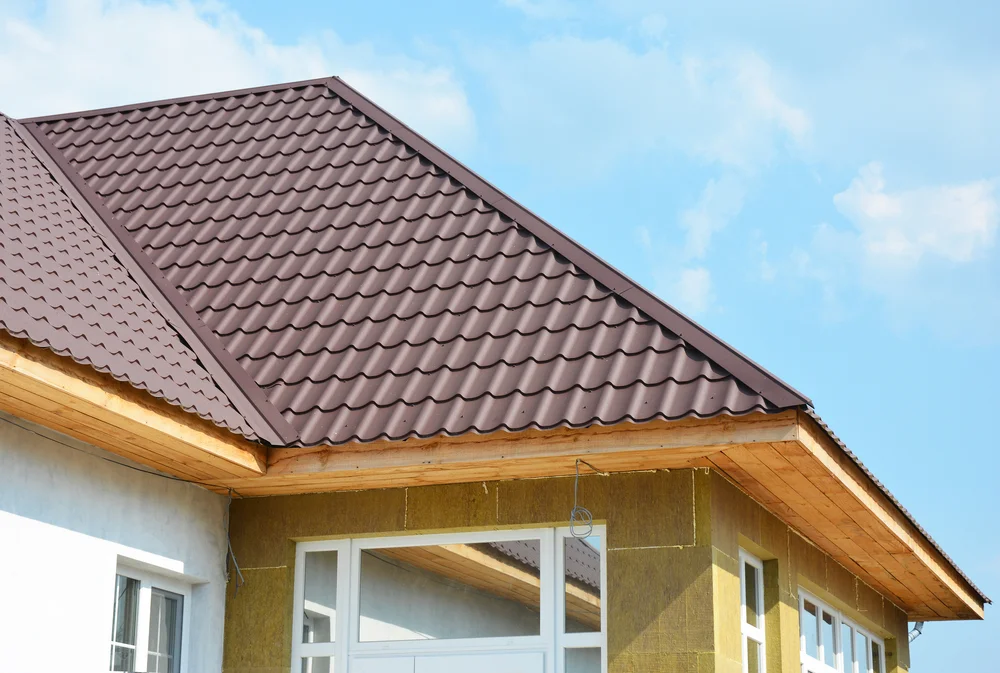
Most homeowners never think about their attic until something goes wrong. You don't spend time up there, and there's not much to look at besides rafters, a few storage boxes, and some insulation. But on a July afternoon in Bucks County, that forgotten space can be the hottest room in the house by a wide margin, and it sits directly under your roof.
Recent summers in southeastern Pennsylvania have brought long stretches of heat and heavy humidity, and the hot weather often hangs on well into September. Electric bills have climbed right along with the temperatures. That puts real pressure on your attic, and whatever happens in the attic eventually shows up on your roof. Here's what's going on above your ceiling, why ventilation and insulation matter so much when it's hot out, and what the team at RAM Roofing & Exteriors looks for when we're on a roof during the summer months.
What Actually Happens in Your Attic When It's Hot Out
The sun beats down on your shingles all day. Dark asphalt soaks up that heat and passes it through the roof deck into the attic. With nowhere to go, the air trapped up there keeps getting hotter. On a 90-degree day, an attic with poor airflow can climb to 140 degrees or more.
That heat doesn't stay put. It radiates down through the ceiling into your living space, so your air conditioner runs longer and harder trying to keep the upstairs bedrooms comfortable. If your second floor always feels noticeably warmer than the first, your attic is likely part of the reason.
Meanwhile, your roof is getting cooked from two directions: the sun on top and a superheated attic underneath.
How Ventilation and Insulation Work Together
A lot of people assume ventilation and insulation do the same job. They don't, and a healthy attic needs both.
Ventilation Moves Heat Out
A properly vented attic works a lot like a chimney. Cooler outside air comes in low through intake vents in the soffits along the eaves. As that air warms up, it rises and leaves through exhaust vents near the peak, such as a ridge vent. Balance is what makes it work. With too little intake, the exhaust vents have nothing to pull from. With too little exhaust, the hot air just sits there.
Insulation Keeps Heat From Moving Down
Insulation on the attic floor acts as a barrier between that hot air and the rooms below. It slows the transfer of heat, so the cool air you're paying for stays in the house. The catch is that insulation packed carelessly into the eaves can block the soffit vents and choke off the airflow the attic depends on. When that happens, you end up with a well-insulated oven sitting right under your roof deck.
Why You Need Both
Ventilation without enough insulation lets heat pour down into the house. Insulation without ventilation traps heat and moisture against the roof. When both are right, the attic stays closer to the outdoor temperature, the house stays cooler, and the roof is under far less stress.
How a Hot, Stuffy Attic Shortens the Life of Your Roof
This is the part most energy-saving articles skip. Attic airflow isn't only about your cooling bill. It has a direct effect on how long your roof lasts.
Shingles Age Faster Under Constant Heat
Asphalt shingles are made to handle sun. What they don't handle well is being baked from underneath day after day. Excess heat speeds up the loss of the oils that keep shingles flexible. Over time that shows up as curled edges, cracks, blisters, and granules washing into the gutters years earlier than they should.
Humid Summers Mean Moisture in the Attic
Pennsylvania summers are sticky. Warm, humid air finds its way into the attic from outside and from inside the house, especially when bathroom fans or dryer vents empty into the attic instead of outdoors. Without airflow to carry it out, that moisture condenses on the underside of the roof deck. That can lead to damp sheathing, mold, rusted nails, and eventually soft or sagging spots in the roof.
Ventilation Can Affect Your Shingle Warranty
Shingle manufacturers, Owens Corning included, spell out ventilation requirements in their installation standards. If a roof fails early because the attic couldn't breathe, that damage may not be covered. As a certified Owens Corning roofing installer, RAM Roofing & Exteriors follows those manufacturer standards on the roofs we install, so the warranty you're counting on holds up when you need it.
Warning Signs Your Attic Is Working Against Your Roof
You don't have to crawl into the attic in August to spot trouble. Watch for these signs:
- Upstairs rooms that stay hot no matter where you set the thermostat.
- An air conditioner that seems to run nonstop, even on mild days.
- Shingles that are curling, cupping, or blistering, especially on the sunniest side of the house.
- A heavy buildup of granules in your gutters or at the bottom of downspouts.
- A wavy or sagging roofline.
- Musty smells, dark stains, or mold on the underside of the roof deck.
- Rusty nail tips poking through the attic sheathing.
- Peeling paint or rot along the soffits and fascia.
If you notice more than one of these, it's worth having a professional take a look. A roof inspection from our team checks your shingles, flashing, and roof deck, along with the heat and moisture damage that shows up on the roof itself. It's complimentary, and you'll get a detailed written estimate you can take your time with.
Summer Storms Put a Heat-Worn Roof to the Test
Heat isn't the only summer threat. Afternoon thunderstorms roll through the region all season, often bringing strong wind gusts, hail, and sudden downpours. Shingles that have dried out and turned brittle from years of attic heat are much more likely to crack, lift, or blow off when those storms hit.
When a small problem turns into an active leak, prompt roof repairs keep water from soaking the deck, insulation, and ceilings below. If a storm tears into your home in the middle of the night, our emergency home repairs team responds around the clock to get your home covered and secured. And when the damage may be covered by your homeowner's policy, our insurance restoration services help you through the process from start to finish.
Simple Summer Checks You Can Do Yourself
A few quick checks can tell you a lot about how your attic and roof are handling the heat:
- Walk around the house and look up at the soffits. Make sure the vents aren't painted over, blocked by nests, or covered up.
- Clean out your gutters. Overflowing gutters send water back into the fascia and soffits, which rots the wood and can clog intake vents. If yours sag, leak at the seams, or pull away from the house, it may be time for new gutters.
- On a warm afternoon, open the attic hatch for a moment. If the air feels stifling and completely still, airflow is probably a problem.
- Look for daylight around vent pipes, chimneys, and other roof penetrations, which can point to flashing problems.
- Confirm that bathroom and kitchen exhaust fans vent outdoors and not into the attic.
- Keep stored boxes and loose insulation away from the eaves so they don't block soffit vents.
A quick safety note: attics get dangerously hot in the summer. If you need to go up, do it early in the morning, keep it short, and stay on the joists.
When a Roof Replacement Makes More Sense
Plenty of heat-related roof problems can be handled with a targeted repair, and we'll tell you honestly when that's the case. We don't recommend a new roof unless your home truly needs one. But if your shingles are near the end of their life and years of trapped heat have already taken their toll, repeated patching can cost more in the long run.
A full roof replacement is the right time to get the whole roof system working together, from the shingles and underlayment to the flashing and roof vents. If you're still weighing your options, our guide to the best roofing material for your home breaks down how different materials hold up in our climate. And if the timing is tight, flexible financing options can make a new roof easier to plan for.
Keep the Summer Heat Out of the Rest of Your Home
Your roof and attic take on most of the summer heat, but they aren't the only parts of the house working against your air conditioner. Older or failing windows let in a surprising amount of heat and glare. Energy-efficient replacement windows help rooms stay cooler, and vinyl window replacements are a low-maintenance choice a lot of homeowners like. Drafty entry doors are another common culprit, and well-sealed replacement doors help keep hot, humid air outside where it belongs.
Your exterior walls deal with the same sun and storms as your roof. Worn or damaged siding can let moisture in behind it, and HardiePlank siding is a durable option for homes with full sun exposure because it stands up to heat, moisture, and pests without warping.
Why Homeowners Trust RAM Roofing & Exteriors
From our office in Doylestown, RAM Roofing & Exteriors has helped protect hundreds of homes across Bucks County and Montgomery County, including neighborhoods in Chalfont, Warminster, Lansdale, and Horsham. Here's what you can count on when you work with us:
- Complimentary roof inspections with detailed written estimates
- Around-the-clock emergency storm damage response
- Honest, repair-focused recommendations with no unnecessary roof replacements
- Fully licensed and insured in Pennsylvania and New Jersey (PA072883 • NJ 13VH11020800)
- Trusted by homeowners with a 4.9-star Google rating and 200+ reviews
- Certified Owens Corning roofing installer backed by manufacturer standards
Want to hear it from your neighbors? Read what homeowners have to say in our customer testimonials, or learn more about our team.
Frequently Asked Questions About Attic Heat and Your Roof
Can poor attic ventilation cause roof leaks?
It can contribute to them. Trapped moisture condenses on the underside of the roof deck and can drip onto ceilings, which often looks just like a leak. Over time, that same moisture rots the sheathing and weakens the nails holding your roof together, which can lead to real leaks later on.
How hot does an attic get in the summer?
On a hot, sunny day, an attic with poor airflow can reach 140 degrees or more. A well-ventilated attic still gets warm, but it stays much closer to the outdoor temperature, which is easier on both your roof and your cooling bill.
Can attic heat affect my shingle warranty?
Yes. Manufacturers like Owens Corning include ventilation requirements in their installation standards, and damage caused by inadequate ventilation may not be covered. Working with a certified installer helps make sure those requirements are met.
Is summer a good time to get a roof inspection?
Summer is a great time to catch heat damage before fall storms and winter freeze-thaw cycles make it worse. Dry weather also makes it easier to get repairs scheduled and finished quickly. RAM Roofing & Exteriors provides complimentary inspections with a written estimate.
Do I need a new roof if my attic has been overheating?
Not necessarily. Many roofs with early signs of heat wear still have years of life left and only need targeted repairs. We'll give you an honest assessment and recommend a replacement only when your roof has truly reached the end of its useful life.
Have more questions about roofing, estimates, or scheduling? Our FAQ page covers the ones we hear most often.
Schedule Your Free Roof Inspection Today
Don't wait for the next heat wave or thunderstorm to find out how your roof is holding up. Call or text RAM Roofing & Exteriors at (215) 315-7700, day or night, or reach out through our contact page to book a complimentary roof inspection. Our office is located at 52 E Oakland Ave Ste 3A, Doylestown, PA 18901, and our crews serve homeowners throughout southeastern Pennsylvania and nearby New Jersey.