 License:PA072883


Different Exterior Needs
of an Older Home
Southeastern Pennsylvania is full of homes with history. Stone farmhouses in Bucks County, center-hall Colonials, Victorians with deep porches, and mid-century homes that have been through several owners and a few rounds of updates. They have character you can't buy in a new development. They also have exterior needs that newer homes don't.
Older homes have settled over the decades. Openings aren't perfectly square. Roofs may have more than one layer of shingles hiding problems underneath. Original windows, wood siding, and decorative trim may be worth saving, or may have quietly been letting water in for years.
Whether you just bought an older home or you've lived in one for decades, here's what to look at first, what tends to need attention, and how to upgrade the exterior without losing the character that made you love the house.
Why Older Homes Need a Different Approach
A newer home is usually built to modern standards, with materials and layouts installers see every day. An older home brings a few extra challenges:
- Unknown history. You may not know when the roof was replaced, what's under the siding, or how many times the windows were patched.
- Settled framing. Walls, roof lines, and openings shift over time, so new materials have to be fitted to what's actually there.
- Older materials. Plank roof decking, original wood windows, and older siding behave differently than modern materials.
- Hidden water damage. Decades of small leaks can rot sheathing, sills, and framing long before you see it inside.
- Character worth keeping. Trim, proportions, and original details are a big part of an older home's value.
That's why an older home needs a contractor who looks closely before recommending anything.
1. The Roof
The roof is the first thing to understand on an older home, because everything else depends on it staying dry.
Find Out How Old It Really Is
Architectural shingles are typically rated for 25 to 30 years in our climate, and older three-tab roofs usually wear out sooner. If you don't know when your roof was last replaced, an inspection is the fastest way to find out where it stands. Our guide on how to know when your roof was replaced can also help you track down the history.
Watch for These Warning Signs
- Curling, cracked, or missing shingles
- Heavy granule buildup in the gutters
- Sagging areas along the roofline
- Water stains on ceilings, especially near exterior walls
- Daylight visible through the roof boards in the attic
- Rusted or loose flashing around old chimneys
Look for Hidden Layers
It's common for older homes to have been re-roofed over the top of an existing layer, sometimes more than once. Extra layers add weight and can hide rotted decking underneath. When we replace a roof, we do a full tear-off down to the bare decking so any damage is found and fixed instead of covered up. Our post on tear-off vs. layover roofing in Pennsylvania explains why that matters.
Older homes may also have plank boards instead of plywood under the roof. Our post on what roof decking is covers what happens when decking needs repair and how it affects your estimate.
Slate, Cedar, and Original Roofing
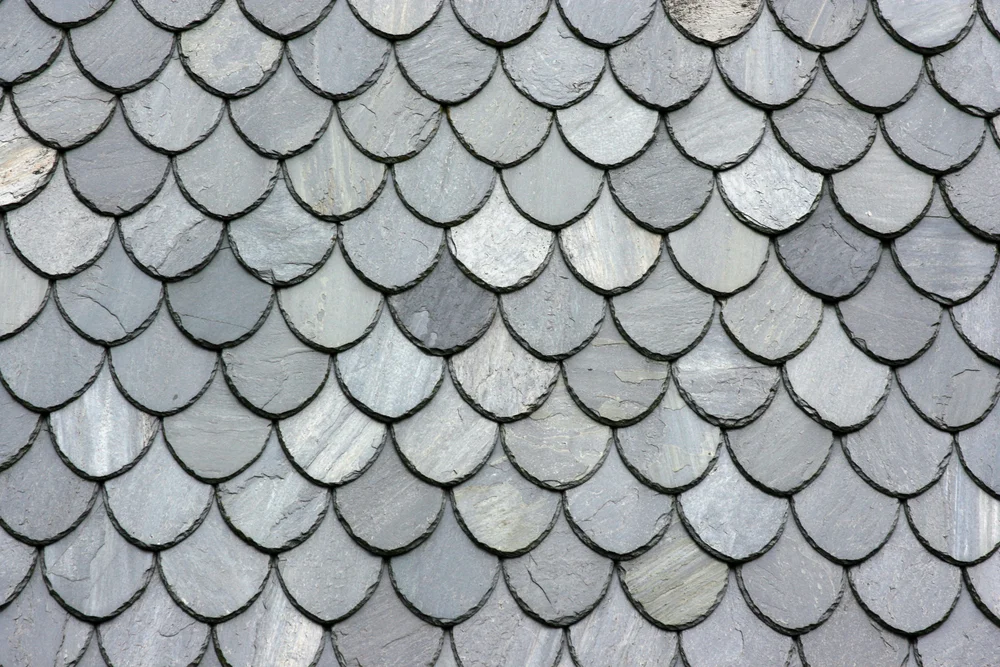
Some older homes still have their original slate. Many slate roofs in our area are 80 to 100 years old, and a slate roof in good shape may only need targeted repairs, not a full replacement. Slate and cedar shake both require experienced installers and suit historic homes beautifully. If your home has an original roof like this, have it evaluated before assuming it needs to come off.
Chimneys and Flashing
Older chimneys are a common leak point. Mortar wears out, and flashing that was installed decades ago often fails. Rebuilding step flashing and counterflashing around chimneys, skylights, and dormers is a common roof repair on older homes.
A complimentary roof inspection gives you labeled photos, an estimate of your roof's remaining life, and a written estimate for anything that needs attention. If it's time for a new roof, every roof replacement we do includes ice-and-water shield, synthetic underlayment, drip edge, and new custom-formed flashing, with decking repair wherever it's needed.
2. The Siding
Older homes may have original wood siding, aluminum siding added decades ago, or vinyl from an earlier update. Each one ages differently.
Signs Your Siding Needs Attention
- Peeling or bubbling paint that keeps coming back
- Warped, cracked, or loose boards or panels
- Soft wood near the bottom of walls, around windows, or near downspouts
- Faded or chalky aluminum or vinyl
- Peeling paint on interior walls along exterior sides of the house
What's Behind the Siding Matters Most
On an older home, the biggest risk is what you can't see. Water that's been getting behind the siding for years can rot the sheathing underneath. A quality siding replacement starts with inspecting the sheathing, replacing any damaged sections, and installing a weather barrier and proper flashing at every opening.
Choosing a Material That Fits
For older and historic homes, fiber cement is often the best match. HardiePlank siding has a deep, crisp wood-grain look that's very close to painted wood, it doesn't rot, and it resists pests and impact damage. Quality vinyl is a strong, low-maintenance choice for many homes too. Our post on HardiePlank vs. vinyl siding compares the two.
Whatever you choose, pay attention to trim. Wider trim around windows, corners, and doors helps new siding look right on an older house.
3. The Windows
Original windows are one of the most important parts of an older home's character, and one of the biggest sources of drafts.
Repair or Replace?
Not every old window needs to go. If the frame is solid, problems like foggy glass, broken hardware, failed balances, sticking sashes, worn weatherstripping, and minor rot can often be fixed for a fraction of the cost of replacement. That's especially true for historic windows in places like the Doylestown Borough, where keeping original character matters. Our window repairs team will tell you plainly which makes more sense.
Replacement usually makes sense when frames are severely deteriorated, warped beyond sealing, or the cost of repairs would come close to the value of a new window.
Replacing Windows in an Older Home
Older homes often have openings that are out of square or have rot hidden in the sill. In those cases, a full-frame installation, which removes the old window down to the rough opening, is usually required. When the existing frame is solid, dry, and square, an insert installation can save time and money while keeping the original interior trim in place.
For historic homes, wood and clad-wood windows keep the look of real wood inside with low-maintenance cladding outside. Arched, half-round, and other custom shapes can be built to fit original openings exactly. Learn more about our replacement windows.
4. The Doors
Older doors and frames take decades of weather. Soft wood at the bottom of the frame or brick molding is one of the most common problems we find, since that's where rain and snowmelt sit.
For older homes, a traditional six-panel or stile and rail door often suits the house best. Fiberglass doors can be finished in a convincing wood grain without the upkeep of real wood, while wood doors remain the traditional choice for historic homes. Every one of our replacement doors goes in with an inspection and repair of the sill and subfloor, plus a sill pan and flashing to keep water out of the wall.
5. The Gutters
Gutters on older homes are often undersized, sagging, or pulling away from rotted fascia. Water that overflows the gutters soaks the fascia, stains the siding, and pools near old foundations.
Our seamless gutters are formed on site to fit each run, and we offer half-round profiles for period-correct styling on Victorian and Colonial homes. Copper gutters are a premium choice for historic homes and can last 50 years or more. Any fascia repairs are identified during the free on-site assessment, before installation.
Check the Rules Before You Change the Exterior
If your home is in a historic district or an HOA, you may need approval before making exterior changes. In the Doylestown Borough, exterior changes visible from the street, including a switch in roofing material, can require review by the Borough's Historical and Architectural Review Board before work starts. We'll tell you up front whether your project is likely to need that approval, and we pull required permits on applicable projects.
Where to Start: Prioritizing Exterior Projects
Older homes often need more than one project. If you can't do everything at once, here's a practical order:
- Stop water first. Roof leaks, failed flashing, overflowing gutters, and rotted sills cause damage that gets worse every season.
- Fix what's failing. Address soft sheathing, rotted trim, and windows or doors that no longer seal.
- Plan the cosmetic upgrades together. Coordinating roof, siding, window, and door colors at the same time makes the whole exterior look intentional.
A full exterior walk-through is the best way to see what needs attention now and what can wait. If you'd like to spread out the cost, our financing options let qualified homeowners tackle the most important projects first.
Buying an Older Home?
If you're buying an older home, get the roof inspected before you close. Knowing its remaining life, any repair needs, and a replacement figure can save you thousands in negotiations. Our post on getting a roof inspection before buying a home covers what Pennsylvania buyers should know.
Why Owners of Older Homes Trust RAM Roofing & Exteriors
Our roots go back to the early 1990s, when our founder started out as a carpenter, and the business grew through new construction, renovations, and historic restoration before focusing on exteriors. That background shows in how we approach older homes. Read more about our story on our About Us page.
- Honest, repair-focused recommendations, with no unnecessary replacements
- Complimentary roof inspections with detailed written estimates
- Certified Owens Corning Preferred Contractor backed by manufacturer standards
- Around-the-clock emergency storm damage response
- Fully licensed and insured in Pennsylvania and New Jersey (PA072883 and NJ 13VH11020800)
- A 4.9-star Google rating from 200+ reviews. See what homeowners say on our testimonials page.
Caring for Older Homes Across Bucks, Montgomery, and Delaware County
From our office at 52 E Oakland Ave Ste 3A, in Doylestown, we work on older homes throughout the region. That includes homeowners in Abington, Wayne, and Buckingham, where historic homes, stone farmhouses, and classic Colonials all need a careful hand.
Protect Your Older Home's Future
An older home deserves an exterior that protects it for the next generation while keeping the character that makes it special. Schedule a complimentary inspection with RAM Roofing & Exteriors, and we'll look at your roof, siding, windows, doors, and gutters and give you a clear plan and written estimate. Have questions first? Visit our FAQ.
Call (215) 315-7700 or stop by our Doylestown office.