 License:PA072883


How to Know Whether Your
Windows Need to Be Replaced
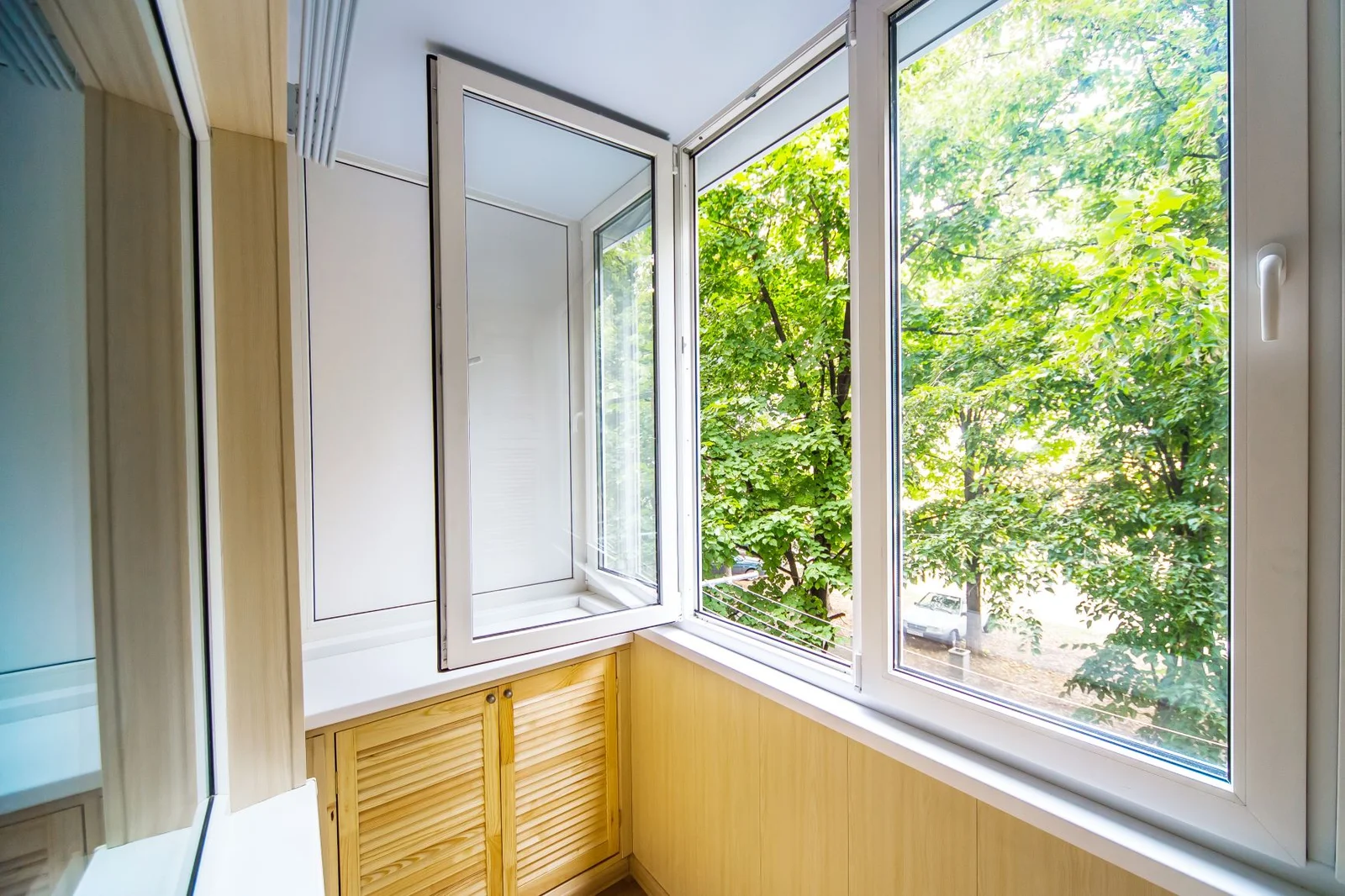
Most people don't think about their windows until something goes wrong. A cold draft shows up in the living room. A pane fogs over and won't clear. A window that used to slide open now takes two hands and a few choice words. By the time you notice, the problem has usually been building for years.
With heating season starting across southeastern Pennsylvania, this is the time of year when worn-out windows make themselves known. Windows can account for up to 30% of a home's heat loss, so a few bad ones can make a real difference in comfort and in your energy bills.
The good news is that not every window problem means replacement. Some issues can be fixed for a fraction of the cost. This guide covers the 10 most common signs your windows need attention, how to check them yourself, and how to tell whether you need a repair or a full replacement.
10 Signs Your Windows Need to Be Replaced
1. You Feel Drafts Near Closed Windows
If you feel cold air moving near a closed window, warm air is escaping and cold air is getting in. Common causes include worn weatherstripping, failed caulking, and frames that have warped or shifted.
Quick test: On a windy day, slowly move your hand or a thin strip of tissue around the edges of a closed window. If it flutters, you have air leakage.
Worn weatherstripping and caulk can often be repaired. A warped frame usually can't.
2. Fog or Moisture Is Trapped Between the Panes
If your double-pane glass looks cloudy or foggy and you can't wipe it clean from either side, the seal around the glass has failed. Moisture has gotten between the panes, and the gas fill that helps the window perform is likely gone.
Here's the good news: if the frame is still in good shape, the glass unit can often be replaced without replacing the whole window.
3. Windows Stick, Jam, or Won't Stay Open
Windows that are hard to open, won't stay up, or won't lock properly are more than an annoyance. They can be a safety issue in an emergency. The cause might be broken balances, stripped crank handles, damaged tracks, or a frame that has shifted or been painted shut.
Broken hardware and balances are often repairable. Frames that are badly warped usually mean replacement.
4. The Frames Are Soft, Rotting, or Warped
Press a screwdriver gently into the wood around the sash and sill. If it sinks in, you have rot. This is especially common in older wood windows exposed to Pennsylvania humidity and freeze-thaw cycles.
Minor surface rot can sometimes be patched. Extensive rot that reaches the structure of the frame typically requires a full-frame replacement.
5. The Glass Is Cracked or Broken
Even a small crack can spread with temperature swings and wind pressure. Cracked glass also weakens the window's ability to keep out air and water. Broken panes, tempered safety glass, and double-pane glass units can usually be repaired if the frame is solid.
6. Your Energy Bills Keep Climbing
If your heating and cooling costs are rising and you can't explain why, your windows may be part of the reason. Older single-pane windows and double-pane windows with failed seals let far more heat move through the glass than modern windows with Low-E coatings and argon gas fills.
7. Outside Noise Seems Louder Than It Used To
Traffic, neighbors, and lawn equipment shouldn't sound like they're in the room with you. Failed seals, gaps around the frame, and older single-pane glass all let more sound through. Modern multi-pane glass can make a noticeable difference, especially for homes near busy roads.
8. Furniture and Floors Near Windows Are Fading
If rugs, wood floors, or furniture near certain windows are noticeably faded, your glass isn't blocking much UV light. Low-E coatings on modern glass help reduce that fading.
9. Water Is Getting In Around the Window
Water stains on the wall below a window, peeling paint, or damp drywall around the frame point to a leak. Sometimes the window itself has failed. Other times, the water is coming from somewhere above it. We'll cover that below, because it's an easy problem to misdiagnose.
10. Your Windows Are Simply Old
Even windows that look fine can be past their prime. Quality vinyl windows typically last 20 to 30 years in our climate. Premium fiberglass and well-maintained wood can last 50 years or more. If your windows are single-pane or approaching the end of that range, it's worth getting them evaluated before you start seeing the signs above.
Repair or Replace? How to Decide
Not every problem on this list means you need new windows. Here's the general rule we follow:
- Repair makes sense when the frame is structurally sound and the damage is limited to the glass, hardware, weatherstripping, or minor wood rot.
- Replacement makes sense when frames are severely deteriorated, warped beyond sealing, or when the cost of repairs would come close to the value of a new window.
Repair is often the better choice for historic homes, where keeping original character matters. That's especially true in places like the Doylestown Borough. Our window repairs team handles foggy glass, broken hardware, failed balances, drafts, sticking sashes, and minor rot.
For more detail on weighing the two, see our post on whether you should repair or replace old windows.
When the Leak Isn't Actually the Window
Here's something many homeowners don't realize: water around a window isn't always the window's fault. If you see stains near the top of a window frame, especially after heavy rain, the water may be coming from above.
Common culprits include:
- Overflowing or clogged gutters that dump water down the wall. Our gutter team can fix the drainage problem.
- Roof leaks that travel down inside the wall before showing up at the window head.
- Damaged siding or failed flashing around the window opening. If storms have loosened panels or the siding is past its life, our siding crews can address it.
Replacing a window won't fix a leak that starts somewhere else. When we see signs of water coming from above, we'll tell you, and a complimentary roof inspection can confirm whether the roof is involved.
What to Look for in New Windows
If you've decided it's time to replace, here's what to consider.
Frame Material
- Vinyl is the most popular choice. It's low maintenance, resists moisture and rot, never needs painting, and offers an excellent cost-to-performance ratio. Learn more about our vinyl window replacements.
- Fiberglass is stronger than vinyl, with slimmer frames that let in more light.
- Wood and clad-wood are often the best fit for historic homes.
Glass Package
Look for double- or triple-pane glass, Low-E coatings, argon or krypton gas fills, and warm-edge spacers. ENERGY STAR options are available, and every window we install carries an NFRC performance label so you can compare ratings side by side.
Style
Double-hung, casement, sliding, picture, bay and bow, and specialty shapes like arches and circles are all options. The right style depends on your home's architecture and how you use each room.
How Window Replacement Works
Our replacement windows process starts with a free, no-obligation in-home consultation. We measure every opening, help you choose styles and glass, and give you an itemized estimate.
Depending on the condition of your existing frames, we'll recommend either an insert installation or a full-frame replacement. If your frames are warped or rotting, full-frame is usually the better long-term investment. You can learn more about both approaches on our window installation page.
Most whole-home window replacement projects are completed in one to two days, depending on the number of windows and any frame repairs. Every installation is backed by full manufacturer warranties plus our own workmanship warranty.
What About Storm Damage?
If a storm or falling branch broke a window, don't wait. We offer around-the-clock emergency home repairs, including rapid board-ups to keep weather out until the window can be repaired or replaced. If the damage is part of a larger storm claim, our insurance restoration team can help document it for your insurer.
Paying for New Windows
Window replacement is an investment, but you don't have to do it all at once or pay for it all upfront. Many homeowners replace the worst windows first and plan the rest over time. Our financing options let qualified homeowners upgrade now and pay over time.
Why Homeowners Trust RAM Roofing & Exteriors
Our roots go back to the early 1990s, when our founder started out as a carpenter. Today, our crews focus on the outside of your home: roofing, siding, windows, doors, and gutters. That means we can look at a window problem in the context of the whole exterior, not just the glass.
- Honest, repair-focused recommendations, with no unnecessary replacements
- Manufacturer warranties plus our own workmanship warranty on window installations
- Fully licensed and insured in Pennsylvania and New Jersey (PA072883 and NJ 13VH11020800)
- A 4.9-star Google rating from 200+ reviews. See what homeowners say on our testimonials page.
- Complimentary roof inspections with detailed written estimates
- Certified Owens Corning Preferred Contractor for roofing, backed by manufacturer standards
- Around-the-clock emergency storm damage response
Window Repair and Replacement Across Montgomery and Bucks County
From our office in Doylestown, we help homeowners with drafty, foggy, and failing windows throughout the region. That includes homes in Elkins Park, Haverford, and Hatfield, where we work on everything from historic homes with original wood windows to newer homes with first-generation vinyl that's reaching the end of its life.
Not Sure What Your Windows Need?
You don't have to guess. Schedule a free in-home consultation with RAM Roofing & Exteriors, and we'll check your windows, tell you plainly whether they need repair or replacement, and give you an itemized estimate. Have questions first? Visit our FAQ.
Call (215) 315-7700 or visit our office at 52 E Oakland Ave Ste 3A, in Doylestown.